Introduction to Inductive Proximity Sensors
Inductive proximity sensors are non-contact electronic devices designed to detect the presence of metallic objects without physical contact. Operating on the principle of electromagnetic induction, these sensors generate an oscillating electromagnetic field. When a metallic target enters this field, eddy currents are induced in the target, causing a change in the sensor's oscillation amplitude. This change is detected and converted into a switching signal, enabling precise object detection. Widely used in industrial automation, these sensors are valued for their reliability, durability, and ability to function in harsh environments where dust, moisture, or vibrations are present. The LSLU series represents a modern iteration of this technology, incorporating advanced features to meet the demanding needs of contemporary manufacturing and processing systems.
Key Features of the LSLU Series
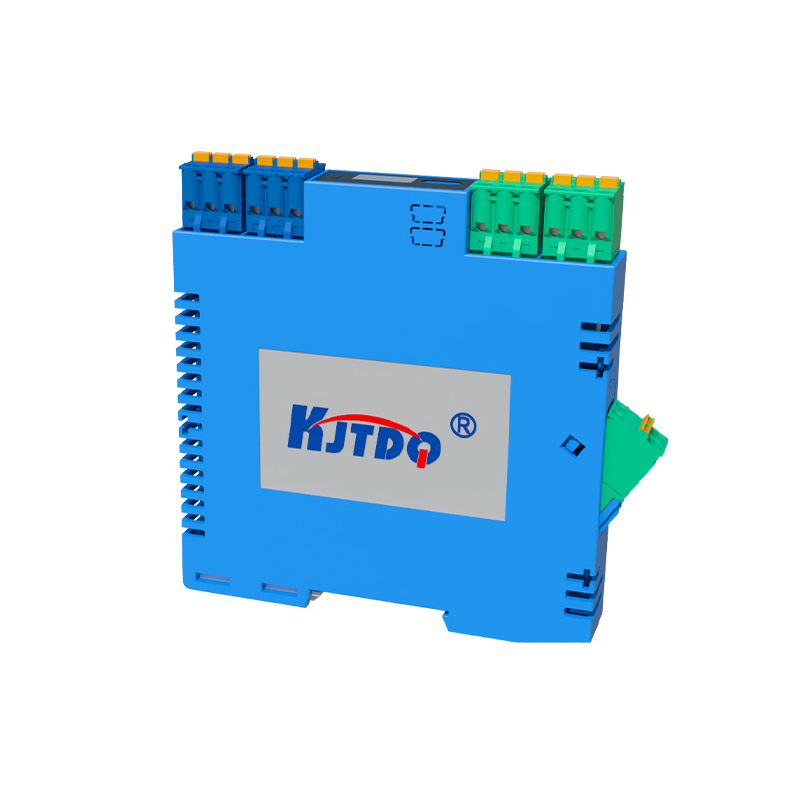
The LSLU series inductive proximity sensors offer a range of features that enhance performance and usability. They typically provide a sensing range from a few millimeters up to several centimeters, depending on the specific model and target material. Constructed with robust housing materials such as stainless steel or nickel-plated brass, they ensure high resistance to mechanical impacts and corrosion. Many models in the LSLU series are equipped with IP67 or higher ingress protection ratings, making them suitable for use in wet or dusty conditions. Additionally, these sensors often include LED status indicators for easy diagnostics, short-circuit and overload protection for enhanced safety, and a wide operating voltage range to accommodate various power supplies. Their compact design allows for easy integration into space-constrained applications.
Technical Specifications and Operating Principles
Technically, the LSLU series sensors operate at specific frequencies, usually within the range of 100 kHz to 1 MHz, to optimize detection for different metals. The sensing distance is influenced by the target's material, size, and shape; for instance, steel targets are detected at the nominal range, while non-ferrous metals like aluminum or copper may require a reduction factor. These sensors typically output a digital signal, either PNP (sourcing) or NPN (sinking), compatible with standard programmable logic controllers (PLCs) and industrial networks. Key specifications include a fast response time, often in microseconds, enabling high-speed counting or positioning tasks. The operating temperature range is broad, commonly from -25°C to 70°C, ensuring functionality in varied climatic conditions. The LSLU series also emphasizes low power consumption and minimal standby current, contributing to energy-efficient system designs.
Applications in Industrial Automation
In industrial settings, the LSLU series inductive proximity sensors are deployed across numerous applications. They are integral to conveyor systems for detecting the presence or absence of products, ensuring smooth material flow and preventing jams. In robotic arms, these sensors provide precise end-position detection or part verification, enhancing automation accuracy. Machine tools utilize them for tool wear monitoring or workpiece positioning, improving machining quality and safety. Packaging lines rely on these sensors for counting bottles, cans, or boxes, facilitating inventory control. Additionally, they are used in automotive assembly for detecting metal components, in metalworking for coil or sheet counting, and in elevators for floor level sensing. Their non-contact nature minimizes wear and maintenance, leading to reduced downtime and operational costs.
Installation and Configuration Guidelines
Proper installation is crucial for optimal performance of LSLU series sensors. They should be mounted securely to avoid vibrations that could affect sensing stability. It is important to maintain the recommended clearance around the sensor face to prevent interference from surrounding metal objects, known as the "mounting flush" condition. Wiring must follow the manufacturer's instructions, typically involving a three-wire connection (power, ground, and output) with appropriate shielding to prevent electromagnetic interference. For configuration, users can often adjust sensitivity or hysteresis via potentiometers, if available, to fine-tune detection for specific targets. Regular testing with the intended metal object is advised during setup to verify reliable operation. Maintenance generally involves periodic cleaning of the sensor face to remove debris that could attenuate the sensing field.
Advantages Over Other Sensor Types
Compared to other proximity sensing technologies like capacitive or ultrasonic sensors, the LSLU inductive series offers distinct benefits. They provide high immunity to non-metallic materials, ensuring false triggers are minimized in environments with plastics, wood, or liquids. Their response time is typically faster than capacitive sensors, making them ideal for high-speed applications. Unlike photoelectric sensors, they are unaffected by ambient light, smoke, or color variations, performing consistently in dirty or opaque conditions. The solid-state design with no moving parts enhances longevity, often exceeding millions of operating cycles. Furthermore, their cost-effectiveness for metal detection tasks