Understanding the Role of Photoelectric Sensors
Photoelectric sensors are the critical safety eyes of a high-speed door system. Typically installed as a pair—one emitter and one receiver—they create an invisible beam of light across the door's opening. The core principle is straightforward: if the beam is interrupted while the door is closing, the control system immediately signals the door to stop and reverse direction. This prevents the door from striking personnel, equipment, or vehicles, ensuring a safe operating environment in industrial settings like warehouses, manufacturing plants, and cleanrooms. Proper alignment is not just a maintenance task; it is a fundamental requirement for operational safety and regulatory compliance.
Common Symptoms of Sensor Misalignment
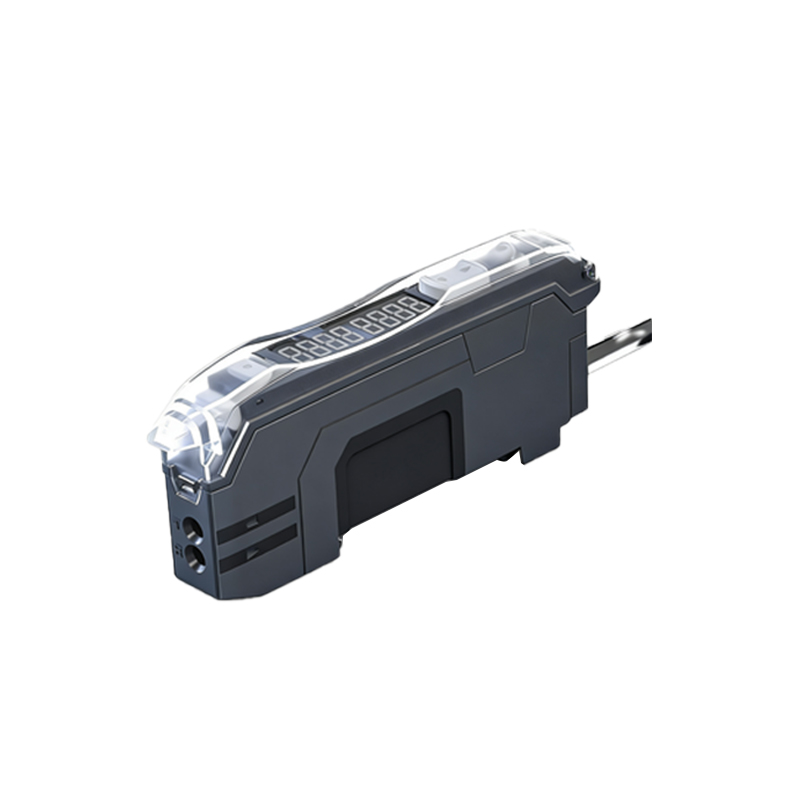
Recognizing the signs of misalignment is the first step in troubleshooting. The most obvious symptom is the door failing to close completely, instead reversing immediately upon the descent command. Conversely, a door might close without hesitation even when an object is deliberately placed in its path, indicating a complete failure of the safety circuit. Intermittent operation, where the door behaves erratically—sometimes closing normally and other times reversing for no apparent reason—is another classic sign. This often points to a beam that is partially obstructed, weakly received, or affected by environmental factors. Visual inspection might reveal that the sensor housings are physically knocked out of position or caked with dirt.
Step-by-Step Alignment Procedure
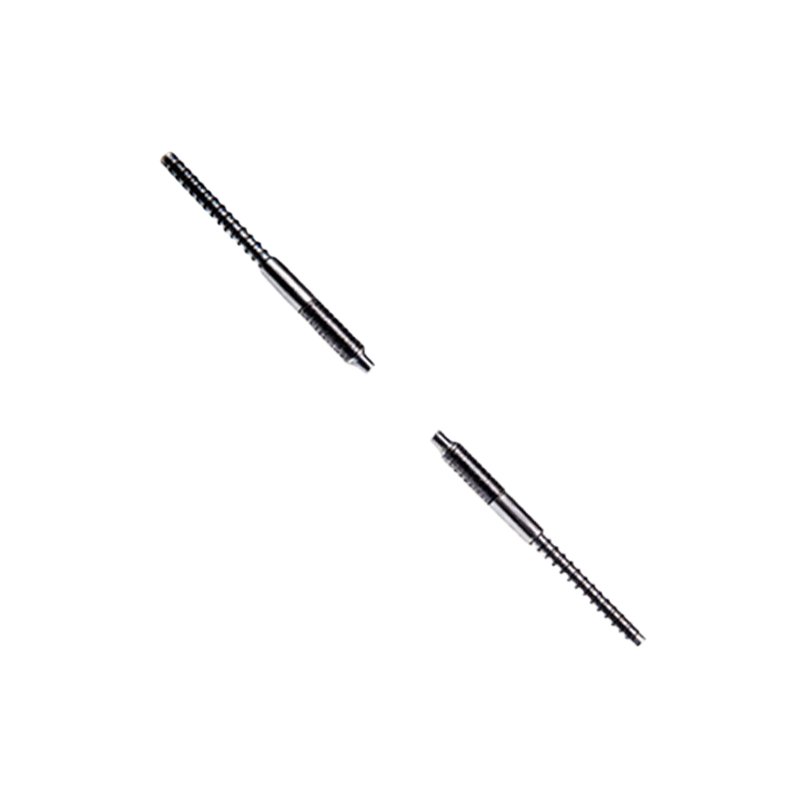
Begin by powering down the door system to ensure safety. Clean the sensor lenses thoroughly with a soft, dry cloth to remove any dust, grime, or condensation that could scatter or block the light beam. Manually check that both sensor brackets are securely fastened and not bent. Restore power. Most modern photoelectric sensors have a visual indicator, usually an LED. On the receiver unit, a steady green or orange light typically indicates alignment and proper beam reception, while a blinking or red light signifies misalignment or no signal. Carefully loosen the mounting bolts on the emitter or receiver just enough to allow adjustment. Using a small mirror or a laser alignment tool can be immensely helpful. Slowly adjust the sensor until the receiver's indicator shows a solid "beam received" signal. Tighten the bolts while carefully monitoring the indicator to ensure it does not flicker during tightening, which would indicate movement.
Environmental and Electrical Interference Factors
Even after a perfect mechanical alignment, sensors may malfunction due to external factors. Intense ambient light, such as direct sunlight or high-intensity discharge lamps shining directly on the receiver, can overwhelm the sensor's own beam. Installing sun shields or hoods can mitigate this. Vibrations from nearby heavy machinery can gradually shake sensors out of alignment or cause intermittent signal loss. Ensure all wiring connections are tight and free from corrosion; a poor connection can mimic alignment issues. Check for voltage fluctuations in the power supply to the door control system, as low voltage can cause sensor instability. In rare cases, radio frequency interference (RFI) from nearby wireless equipment can disrupt sensor operation.
Advanced Troubleshooting and Component Testing
If alignment and environmental checks do not resolve the issue, deeper troubleshooting is required. Use a voltmeter to test the output signal from the receiver to the door controller according to the manufacturer's wiring diagram. Swap the emitter and receiver units with known-good spare parts, if available, to isolate whether the problem lies with a specific component. Test the continuity of the wiring between the sensors and the main control board for any breaks or shorts. Consult the door's manual to understand the fault code indicators on the main controller, as these can provide specific clues. Remember that the problem might not be the sensors themselves but a failing relay or input module on the door's programmable logic controller (PLC).
Implementing Preventive Maintenance Practices
Proactive maintenance prevents most alignment and failure issues. Establish a scheduled inspection routine, ideally monthly, to visually check sensor alignment and cleanliness. Include a functional test by interrupting the beam during a closing cycle to verify the door reverses as designed. Keep a log of all inspections and any intermittent issues. Consider upgrading to sensors with more robust features, such as modulated LED light that is resistant to ambient light interference, or models with built-in alignment aids like precise sighting marks. Ensuring the physical door structure and track are in good condition reduces vibration and the likelihood of sensors being struck or shaken loose.