Introduction to Photoelectric Sensor Chips
The photoelectric sensor chip is the fundamental component at the heart of modern sensing technology. These sophisticated semiconductor devices convert light signals into electrical signals, enabling precise detection, measurement, and control in a vast array of industrial and consumer applications. The core principle involves the photoelectric effect, where incident photons generate electron-hole pairs within the chip's material, typically silicon or specialized III-V compounds like gallium arsenide. The performance, reliability, and cost of the final sensor system are directly dictated by the quality and innovation of these chips. As automation and smart systems proliferate across manufacturing, automotive, and logistics sectors, the demand for advanced photoelectric sensor chips with higher sensitivity, faster response times, and greater integration continues to surge. This places immense importance on the manufacturers who design and fabricate these critical components.
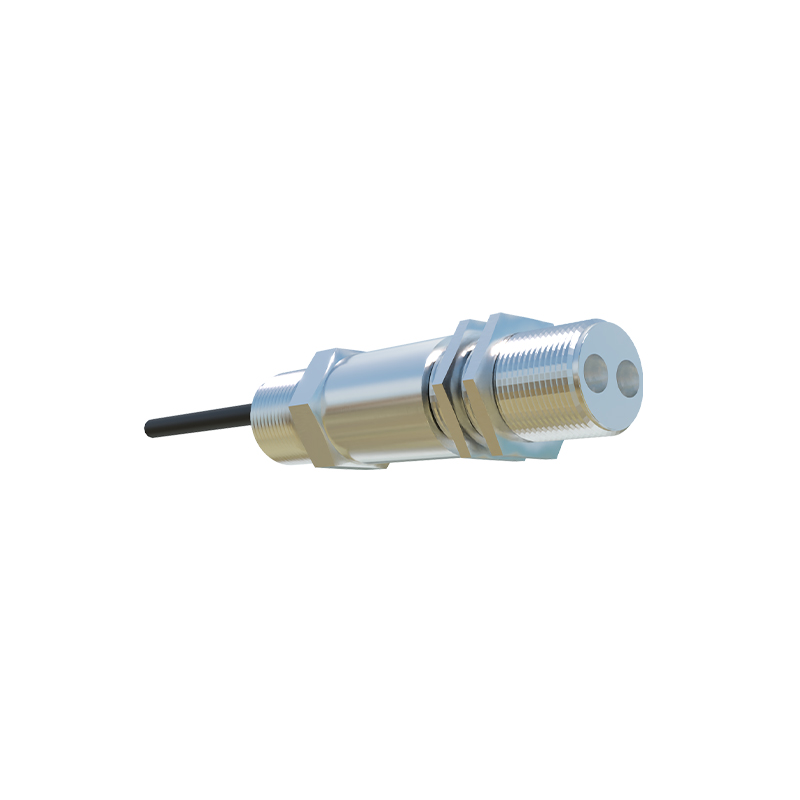
Key Manufacturing Processes and Technologies
The production of photoelectric sensor chips is a pinnacle of precision engineering, involving complex semiconductor fabrication processes. It begins with the design and simulation of the photodiode or phototransistor structure, optimizing for parameters such as spectral response, dark current, and quantum efficiency. The fabrication occurs in highly controlled cleanroom environments using techniques like photolithography, ion implantation, and chemical vapor deposition to create the intricate layers of the chip. Advanced manufacturers employ specialized processes to enhance performance, such as backside illumination (BSI) for improved light gathering, or the integration of micro-lenses directly on the chip surface. Packaging is another critical phase, where the delicate die is housed in a protective enclosure with a transparent window, ensuring mechanical stability and environmental protection while maintaining optimal optical characteristics.
Leading Global Manufacturers and Their Specializations
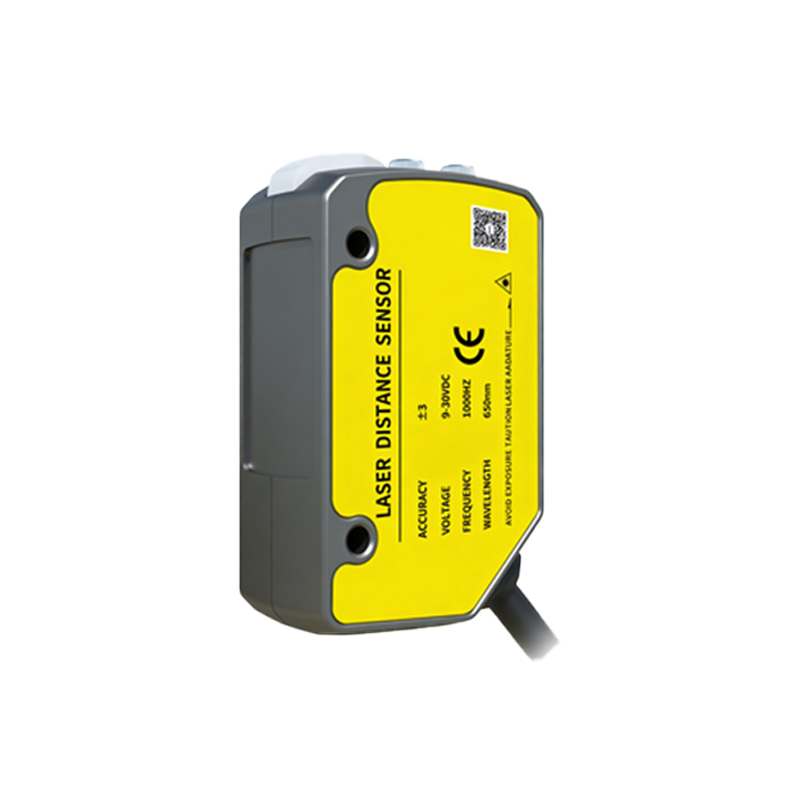
The global market for photoelectric sensor chips is served by a mix of large, diversified semiconductor companies and specialized niche players. Major integrated device manufacturers like Texas Instruments, ON Semiconductor, and Vishay Intertechnology offer extensive portfolios of standard photodiodes, phototransistors, and ambient light sensors, prized for their reliability and volume production capabilities. Japanese firms such as Hamamatsu Photonics and Sharp are renowned for their high-performance, specialized chips used in scientific instrumentation, medical devices, and high-end industrial sensors. In Europe, companies like ams OSRAM and STMicroelectronics lead in innovative solutions, including integrated sensor chips with built-in analog-to-digital converters and intelligent logic for proximity and gesture sensing. Each manufacturer brings distinct strengths in material science, fabrication scale, or application-specific design expertise.
Selection Criteria for Industrial Applications
Choosing the right photoelectric sensor chip manufacturer is a critical decision for system designers. Key technical criteria include the chip's spectral response, which must be matched to the light source wavelength; response speed, crucial for high-speed counting or sorting lines; and sensitivity or responsivity, determining the minimum detectable light level. Environmental robustness, such as operating temperature range and resistance to humidity or contaminants, is paramount for harsh industrial settings. Beyond specifications, supply chain reliability, technical support, and access to detailed application notes are vital considerations. For cost-sensitive, high-volume applications, manufacturers with strong automated production lines are preferred. For cutting-edge or custom applications, partnering with a manufacturer possessing strong R&D and customization capabilities is essential.
Emerging Trends and Future Outlook
The photoelectric sensor chip industry is undergoing rapid transformation driven by several key trends. Miniaturization and integration are leading to multi-element arrays and system-on-chip designs that combine sensing, processing, and communication functions. There is a growing demand for chips sensitive to non-visible wavelengths, particularly near-infrared (NIR), for applications in biometric sensing and material analysis. The rise of Industry 4.0 and the Industrial Internet of Things (IIoT) is pushing manufacturers to develop chips with lower power consumption and built-in intelligence for predictive maintenance. Furthermore, the automotive sector's adoption of LiDAR for autonomous driving is creating a new high-growth market for high-power, fast-response laser diode and receiver chips. Manufacturers investing in these advanced technologies are poised to lead the next generation of sensing solutions.
Conclusion and Strategic Considerations
In conclusion, photoelectric sensor chip manufacturers are the unsung enablers of modern automation and smart technology. Their expertise in semiconductor physics, materials engineering, and precision manufacturing directly translates into the capabilities of end-user systems. For engineers and procurement specialists, a strategic approach involves not just evaluating datasheet parameters, but also assessing a manufacturer's long-term roadmap, quality control systems, and ability to provide collaborative support. As sensing needs become more complex and integral to system intelligence, the partnership between sensor integrators and chip manufacturers will grow even more crucial. The ongoing innovation in this field promises to deliver smarter, more efficient, and more interconnected systems across all facets of industry and daily life.