Introduction to Photoelectric Sensors
Photoelectric sensors are indispensable components in industrial automation, leveraging light beams to detect the presence, absence, or distance of objects. These sensors operate by emitting a light source—typically infrared, visible red, or laser—and measuring the reflection or interruption of that light. Their ability to perform non-contact detection makes them ideal for applications where physical touch could damage the product or sensor. Industries ranging from manufacturing and packaging to automotive and pharmaceuticals rely on photoelectric sensors for precise, reliable operations. The core principle involves a transmitter that projects light and a receiver that captures changes in light intensity, enabling real-time monitoring and control in dynamic environments.
Types and Operating Principles
Photoelectric sensors are categorized based on their sensing methods: through-beam, retro-reflective, and diffuse-reflective. Through-beam sensors consist of separate transmitter and receiver units, where an object is detected when it breaks the light beam between them. This type offers long-range detection and high accuracy, suitable for harsh environments. Retro-reflective sensors use a single unit with both transmitter and receiver, along with a reflector; the light beam returns to the receiver unless obstructed by an object. Diffuse-reflective sensors detect objects by measuring the reflection of light directly off the target, making them versatile for varied surfaces and colors. Each type employs photodiodes or phototransistors to convert light signals into electrical outputs, ensuring rapid response times and adaptability to industrial demands.
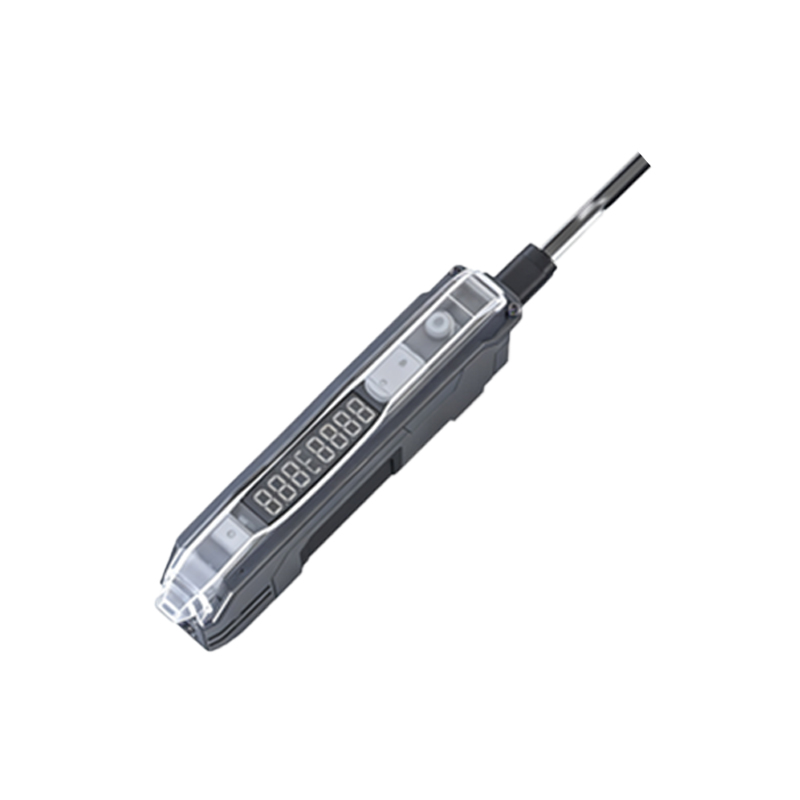
Key Features and Technical Specifications
Modern photoelectric sensors boast advanced features that enhance performance in complex settings. Key specifications include sensing range, response time, light source type, and output configuration. Sensing ranges can extend from a few centimeters to over 100 meters, depending on the model and application. Response times are critical for high-speed production lines, with some sensors achieving detection in microseconds. Light sources vary: infrared sensors provide immunity to ambient light interference, while laser sensors enable precise positioning for minute objects. Outputs typically include digital signals (e.g., NPN/PNP) or analog signals for distance measurement, integrated with programmable logic controllers (PLCs) for automated decision-making. Additional features like background suppression, temperature resistance, and IP ratings for dust/water protection ensure durability in demanding conditions.
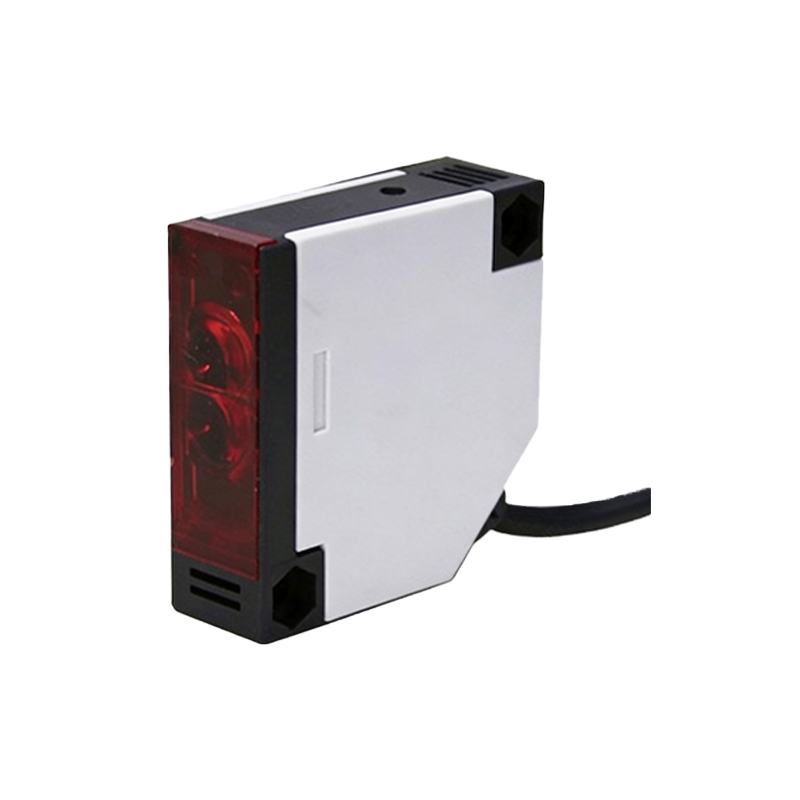
Applications in Industrial Automation
In industrial automation, photoelectric sensors play a pivotal role in enhancing efficiency and safety. They are used for object detection on conveyor belts, counting items in packaging lines, monitoring fill levels in containers, and ensuring proper alignment in assembly processes. For example, in automotive manufacturing, sensors verify the presence of components during robotic welding, while in food processing, they detect labels or inspect product integrity without contamination. Their non-contact nature minimizes wear and maintenance, reducing downtime. Integration with IoT systems allows for data collection and predictive maintenance, optimizing overall equipment effectiveness (OEE). As industries embrace smart factories, photoelectric sensors contribute to real-time analytics and adaptive control systems.
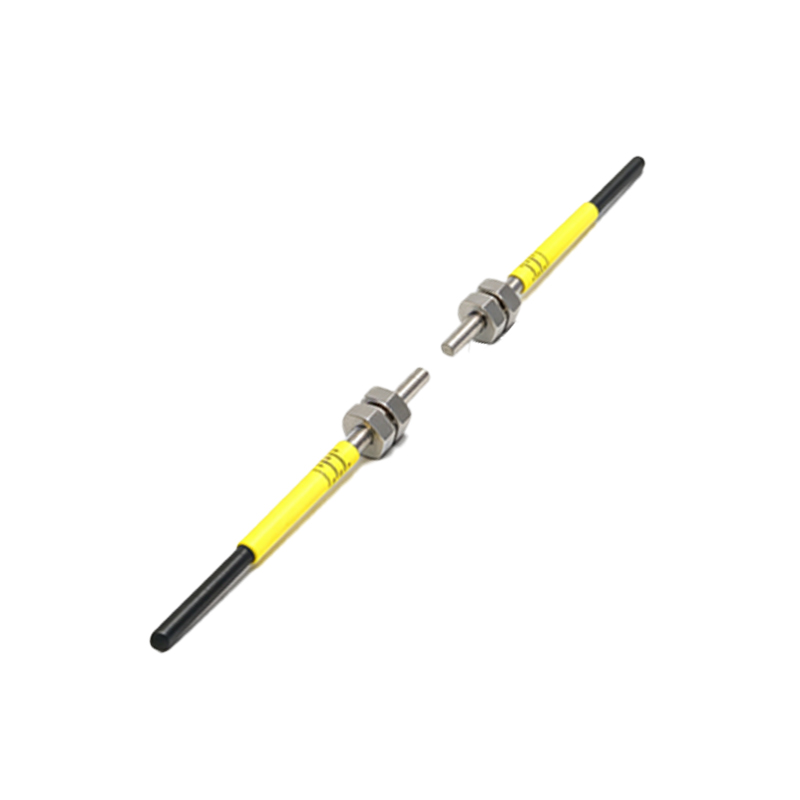
Selection Criteria and Installation Tips
Choosing the right photoelectric sensor requires evaluating factors such as environmental conditions, target properties, and required precision. Consider ambient light levels, temperature extremes, and potential obstructions that could affect performance. For reflective or dark-colored objects, sensors with background suppression or polarized filters may be necessary. Installation involves aligning the transmitter and receiver accurately, avoiding vibrations or misalignment that could cause false triggers. Regular calibration and cleaning of lenses ensure consistent operation. It's advisable to consult technical datasheets and conduct on-site testing to validate sensor suitability. Upgrading to models with self-diagnostic capabilities can preempt failures, supporting continuous operation in 24/7 facilities.
Future Trends and Innovations
The evolution of photoelectric sensors is driven by advancements in miniaturization, connectivity, and intelligence. Emerging trends include the integration of AI algorithms for adaptive sensing, enabling sensors to distinguish between object types or detect anomalies autonomously. Wireless and energy-harvesting sensors are gaining traction, reducing wiring complexity and supporting flexible layouts in smart factories. Enhanced communication protocols, such as IO-Link, facilitate seamless data exchange with higher-level control systems. Research into new light sources, like VCSELs (vertical-cavity surface-emitting lasers), promises higher efficiency and longer lifespans. As Industry 4.0 expands, photoelectric sensors will become more interconnected, contributing to cyber-physical systems that optimize production through real-time feedback and machine learning.