Introduction to Proximity Sensor Technology
Proximity sensors are critical components in modern industrial automation, enabling non-contact detection of objects within a specific range. These devices operate based on electromagnetic fields, infrared light, or ultrasonic waves, depending on the type. Original proximity sensor manufacturing involves precise engineering to ensure reliability, accuracy, and durability in harsh environments. The production process integrates advanced materials, sophisticated electronics, and rigorous testing protocols to meet international standards such as IEC 60947-5-2. As industries increasingly adopt smart manufacturing and IoT solutions, the demand for high-quality original proximity sensors continues to grow, driving innovation in design and production techniques.
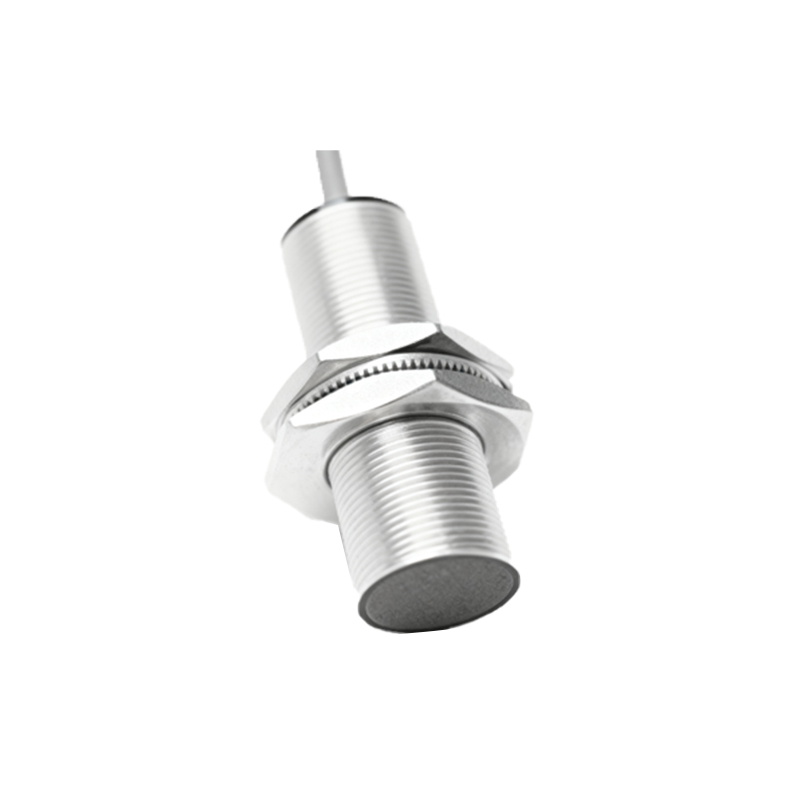
Key Components and Materials
The construction of an original proximity sensor relies on high-grade materials to guarantee performance. Core components include a sensing coil or oscillator, amplifier circuit, and output switching element. The housing is typically made from stainless steel, nickel-plated brass, or PBT plastic, chosen for resistance to corrosion, temperature extremes, and mechanical stress. Internally, copper windings and ferrite cores are used in inductive sensors, while capacitive types employ electrode plates. Manufacturers source materials from certified suppliers to maintain consistency, with each batch undergoing quality checks for purity and dimensional accuracy. This attention to detail ensures long-term stability and reduces failure rates in field applications.
Manufacturing Process Overview
Producing original proximity sensors involves a multi-stage process that begins with design validation using CAD software and simulation tools. Once prototypes are tested, mass production starts with PCB assembly, where surface-mount technology (SMT) places micro-components onto circuit boards. The sensing element is then integrated, and the assembly is encapsulated in epoxy resin for protection against moisture and vibration. Automated machinery handles soldering and welding to minimize human error. Each unit undergoes calibration to set detection ranges, followed by laser marking for traceability. The process emphasizes lean manufacturing principles to reduce waste and optimize efficiency, with real-time monitoring systems tracking production metrics.
Quality Control and Testing Standards
Quality assurance is paramount in original proximity sensor manufacturing. Every sensor passes through a series of tests, including electrical performance checks, temperature cycling from -25°C to 70°C, and ingress protection (IP) ratings validation for dust and water resistance. Advanced testing equipment measures response time, repeat accuracy, and hysteresis to ensure compliance with datasheet specifications. Environmental stress screening (ESS) subjects sensors to shock and vibration tests, simulating industrial conditions. Manufacturers also conduct electromagnetic compatibility (EMC) testing to prevent interference with other devices. Data from these tests are logged for analysis, enabling continuous improvement in production lines and adherence to certifications like ISO 9001.
Applications in Industrial Automation
Original proximity sensors are deployed across diverse sectors, from automotive assembly lines to food processing plants. In manufacturing, they enable precise positioning of robotic arms, detect part presence in conveyor systems, and monitor machine tool wear. Inductive sensors excel in metal detection for packaging machinery, while capacitive variants handle liquid level sensing in tanks. Ultrasonic sensors are used in distance measurement for logistics automation. The reliability of original sensors reduces downtime and maintenance costs, supporting just-in-time production and Industry 4.0 initiatives. Case studies show that using certified original components can enhance system uptime by up to 30% compared to generic alternatives.
Innovations and Future Trends
The proximity sensor industry is evolving with trends toward miniaturization, enhanced connectivity, and smart features. New designs incorporate IO-Link communication for real-time data exchange, allowing predictive maintenance and parameter adjustments via PLCs. Manufacturers are developing sensors with higher switching frequencies and extended ranges, using materials like ceramic faces for abrasive environments. Energy-efficient models with low power consumption are gaining traction for battery-operated devices. Research in MEMS technology and AI integration promises sensors that self-diagnose faults and adapt to changing conditions. As global automation expands, original manufacturers focus on sustainability, reducing hazardous substances and implementing recycling programs for end-of-life products.
Conclusion and Best Practices
Selecting and maintaining original proximity sensors requires understanding their specifications and operating limits. Best practices include consulting manufacturer datasheets for voltage ratings, mounting considerations, and environmental protections. Regular calibration and cleaning of sensing surfaces prevent false triggers. Partnering with authorized distributors ensures access to genuine parts with warranty support. In summary, original proximity sensor manufacturing combines precision engineering with stringent quality control, delivering components that underpin efficient and safe industrial operations. Investing in original products not only optimizes performance but also contributes to long-term system reliability and innovation in automation technologies.