Understanding Photoelectric Sensor Fundamentals
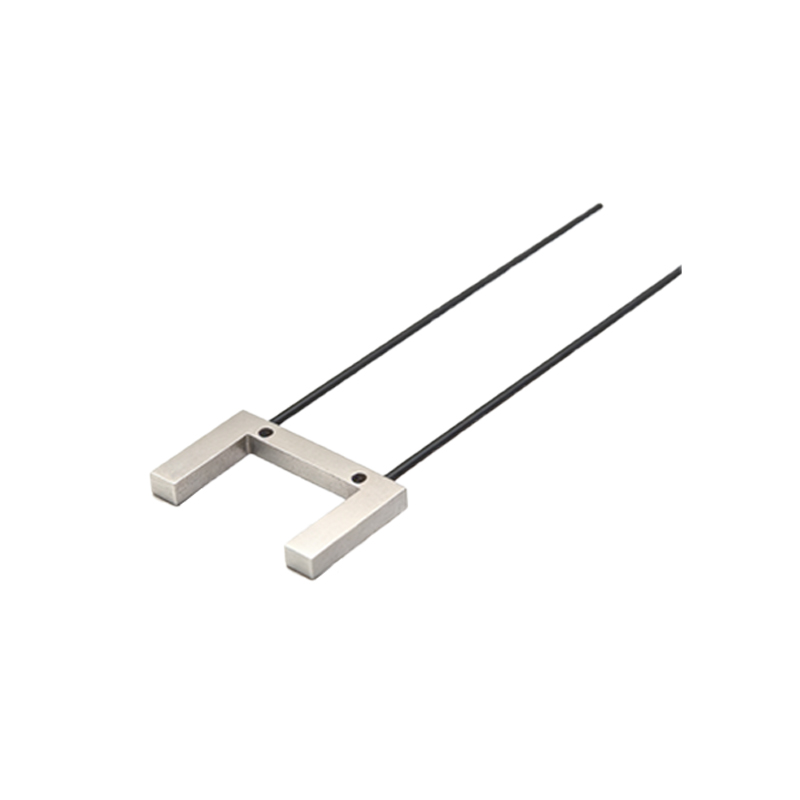
Photoelectric sensors are indispensable components in modern industrial automation, utilizing light beams to detect the presence, absence, or distance of objects. At their core, these sensors consist of an emitter (light source) and a receiver. The emitter projects a light beam—often infrared, visible red, or laser—towards the receiver. When an object interrupts or reflects this beam, the receiver detects the change in light intensity, triggering an output signal. The primary operating principles are through-beam, retro-reflective, and diffuse reflective modes. Through-beam sensors offer the longest sensing ranges and highest reliability, as the emitter and receiver are separate units. Retro-reflective types use a reflector to bounce the beam back to a combined emitter/receiver unit, suitable for detecting objects that break the beam. Diffuse reflective sensors detect light reflected directly off the target object, making them ideal for close-range applications where mounting separate components is impractical. Understanding these basics is the first critical step in sensor selection, as the operating mode directly influences performance in specific environmental and application contexts.
Key Performance Parameters for Selection
Selecting a photoelectric sensor requires careful evaluation of several technical specifications. Sensing range, or the maximum distance at which the sensor can reliably detect an object, is paramount. Through-beam sensors typically offer the longest ranges, sometimes exceeding 100 meters, while diffuse types are limited to shorter distances. Response time, the speed at which the sensor reacts to a change in state, is crucial for high-speed production lines. Look for sensors with millisecond or even microsecond response times. Light source type is another key factor. Infrared LEDs are common for their invisibility and resistance to ambient light interference. Visible red LEDs are easier to align during setup. Laser diodes provide extremely precise, focused beams for high-accuracy detection or small object sensing. Additionally, consider the sensor's output type (e.g., NPN/PNP transistor, analog, or IO-Link) to ensure compatibility with your control system. Environmental ratings, such as IP67 for dust and water ingress protection, are non-negotiable for harsh industrial settings.
Assessing the Application Environment
The operating environment profoundly impacts sensor choice and longevity. In areas with significant ambient light—from sunlight or high-intensity factory lighting—select sensors with modulated light sources and robust background suppression technology. These features allow the sensor to distinguish its own pulsed light signal from constant ambient light, preventing false triggers. For environments laden with dust, smoke, or steam, through-beam or retro-reflective sensors are generally more reliable than diffuse types, as the beam must be completely blocked to trigger. However, heavy contamination can coat lenses and reflectors, necessitating sensors with high-power outputs or periodic maintenance. In applications involving highly reflective or shiny target objects, diffuse sensors with background suppression or fixed-field sensing are essential. These variants measure the angle of the reflected light, allowing them to detect only objects within a precise, predefined distance, ignoring reflections from more distant shiny surfaces. Vibration and mechanical shock require sensors with rugged, metal housings and secure connection methods.
Object Characteristics and Detection Requirements
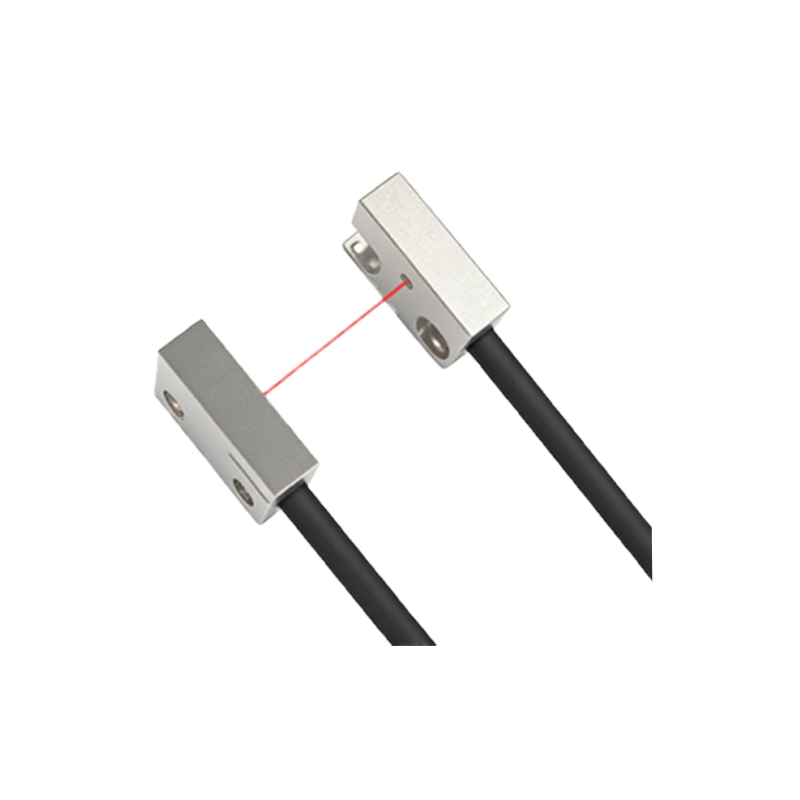
The physical properties of the target object dictate the optimal sensing mode and technology. For detecting small objects or precise edges, a focused laser beam in a through-beam configuration offers the highest accuracy. The size, color, and material of the object affect light absorption and reflection. Transparent objects, like glass or clear plastic, pose a significant challenge. Standard diffuse sensors may fail, as most light passes through. For clear object detection, sensors using polarized retro-reflective principles or specialized through-beam models with high-resolution receivers are necessary. Contrast sensors, a subtype of photoelectric sensors, are designed to detect differences in color, contrast, or luminance on surfaces, ideal for label detection or print registration. For determining exact object distance or continuous level monitoring, analog-output sensors or laser distance measurement sensors provide a voltage or current signal proportional to the measured range. Always request sample objects for testing sensor performance under real conditions before finalizing a purchase.
Electrical and Mechanical Integration Factors
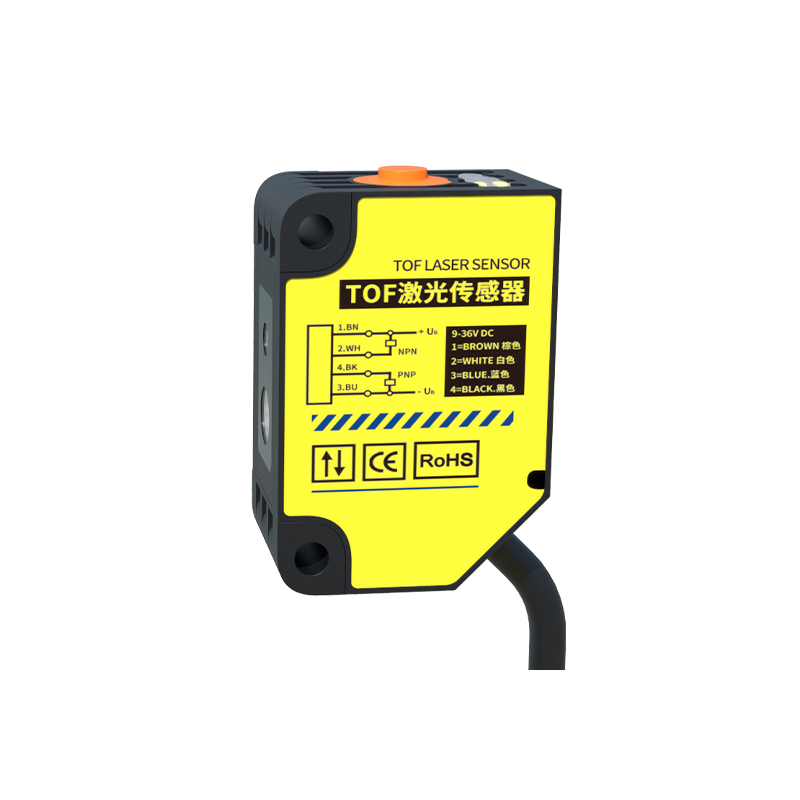
Successful integration hinges on electrical and mechanical compatibility. Power supply requirements must match your plant's available voltage, commonly 10-30V DC or 90-250V AC. Ensure the sensor's output configuration (sinking/NPN or sourcing/PNP) aligns with your PLC or controller input module. Wiring convenience is enhanced by sensors with quick-disconnect cables or built-in M12 connectors. Mechanically, consider the housing size and shape. Cylindrical sensors are common and easy to mount, while rectangular block-style sensors may offer more features in a compact form. The mounting method—bracket, flush-mountable, or adjustable arm—should provide stability and precise alignment. For applications requiring multiple sensors in close proximity, select models with synchronization or anti-crosstalk features to prevent one sensor's light beam from interfering with another's receiver. Modern smart sensors with IO-Link communication provide advanced diagnostics, parameter setting via software, and condition monitoring data, facilitating predictive maintenance and easier system configuration.
Making the Final Decision and Best Practices
The final selection is a balance of technical requirements, environmental constraints, and total cost of ownership. Never base the decision on price alone. A slightly more expensive sensor with superior environmental sealing or advanced filtering may prevent costly production downtime. Create a detailed specification list for your application: required sensing distance, object size/material, required response speed, environmental hazards, and output needs. Consult with sensor manufacturers' application engineers; they can provide valuable insights and may offer evaluation units. Once installed, proper alignment is critical. Use alignment indicators (like a green LED for stable signal) or built-in teach-in functions for diffuse sensors. Implement routine maintenance schedules to clean lenses and check for physical damage. Finally, consider future-proofing your system by choosing sensors from a manufacturer with a broad portfolio, ensuring long-term availability and support for your automation investment.