Introduction to Proximity Temperature Sensing
Proximity temperature sensors represent a specialized category within the vast field of temperature measurement. Unlike traditional contact sensors like thermocouples or RTDs that require physical attachment to an object, proximity sensors measure temperature from a distance. This non-contact capability is crucial in applications where the target is moving, in a vacuum, corrosive, or otherwise inaccessible. The fundamental principle underpinning most proximity temperature sensors is the detection of infrared radiation emitted by all objects above absolute zero. The intensity and spectral distribution of this radiation are directly related to the object's temperature, as described by Planck's law. This allows for accurate, remote temperature assessment without disturbing the process or object being measured.
The Core Principle: Infrared Radiation Detection
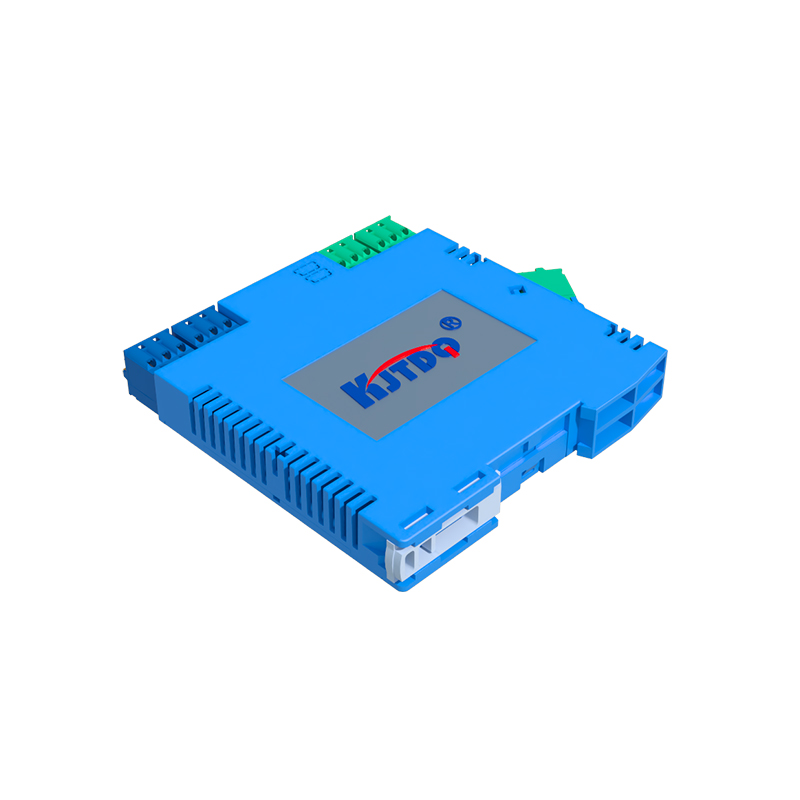
At the heart of a proximity temperature sensor is an infrared detector. All objects with a temperature above absolute zero (-273.15°C) emit electromagnetic radiation. For typical industrial temperatures, this radiation falls within the infrared spectrum. The sensor's optical system, often comprising lenses or mirrors made from materials like germanium or zinc selenide, collects this emitted IR energy and focuses it onto the detector. The detector then converts the radiant energy into an electrical signal. The strength of this signal is proportional to the amount of IR energy received, which itself is a function of the target's temperature. However, the relationship is not simple; it is influenced by the target's emissivity—a measure of how efficiently it emits IR radiation compared to a perfect blackbody.
Key Components and Their Functions
A typical proximity temperature sensor, or infrared pyrometer, consists of several key components. First, the optical system gathers the IR energy. Next, the spectral filter selects the specific wavelength band suitable for the application, which helps mitigate errors from atmospheric absorption or emissivity variations. The infrared detector is the core transducer; common types include thermopiles, which generate a voltage from a temperature gradient, and photodetectors like photodiodes, which offer faster response times. The signal processor amplifies the weak electrical signal from the detector, applies algorithms to compensate for emissivity and ambient conditions, and linearizes the output. Finally, the output stage provides the temperature reading in a usable format, such as a 4-20 mA analog signal, a voltage, or a digital communication protocol like Modbus.
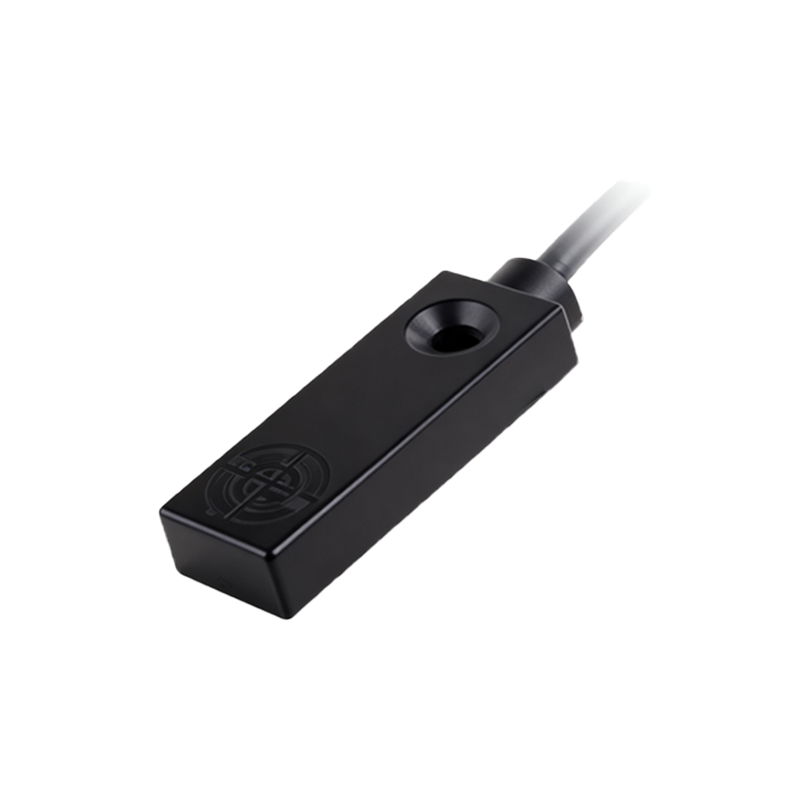
Understanding Emissivity and Its Critical Role
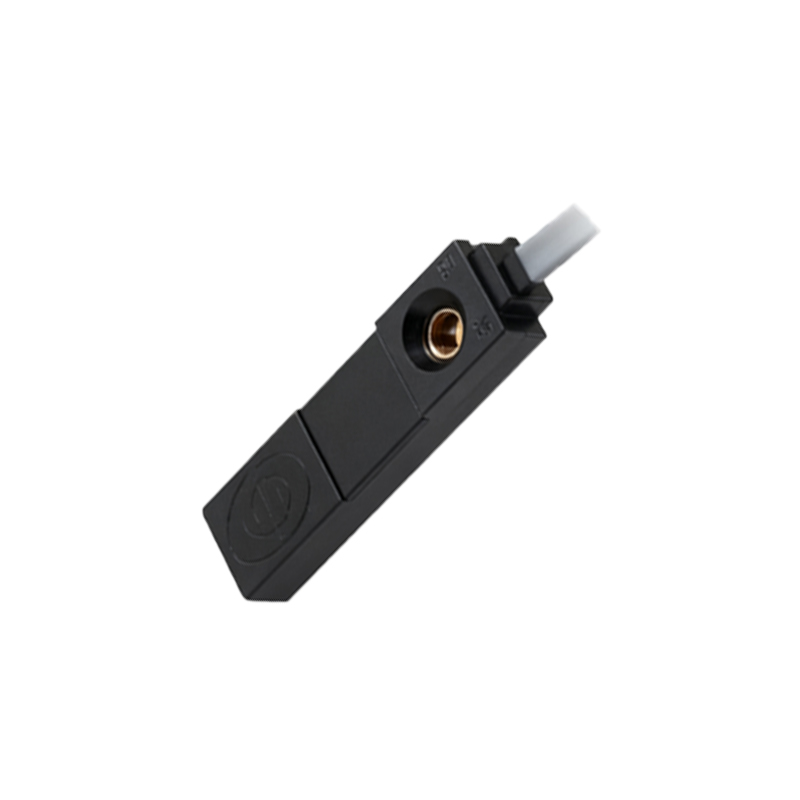
Emissivity is arguably the most critical and challenging parameter in non-contact temperature measurement. It is a dimensionless number between 0 and 1, where 1 represents a perfect emitter (a blackbody). Most real-world materials have an emissivity less than 1. For instance, polished metals can have very low emissivity (e.g., 0.1), while oxidized surfaces or non-metals like ceramics have higher values (e.g., 0.9). If the sensor is calibrated for an emissivity of 1 but pointed at a shiny metal surface with an emissivity of 0.2, the reading will be significantly lower than the true temperature. Modern sensors allow users to input the known emissivity of the target material to correct the measurement. Advanced models may also feature automatic emissivity compensation or ratio pyrometry techniques for challenging surfaces.
Different Types of Proximity Temperature Sensors
Proximity temperature sensors are categorized based on their measurement technique. Broadband sensors measure a wide spectrum of IR radiation and are common for general-purpose applications. Spectral-band (or narrow-band) sensors use a filter to focus on a specific wavelength, making them ideal for measuring through flames, glass, or plastic films. Ratio pyrometers, or two-color pyrometers, measure IR energy at two different wavelengths and compute a ratio. This method is less sensitive to emissivity variations and partial obstructions like dust or steam, making it suitable for dirty environments or moving targets with varying surface conditions. Each type offers distinct advantages tailored to specific industrial challenges.
Typical Industrial Applications
The non-contact nature of proximity temperature sensors opens up a wide array of industrial applications. In manufacturing, they are indispensable for monitoring temperatures in continuous processes like metal forging, rolling, and heat treating, where contact is impossible. In the plastics industry, they measure extruder die and molded part temperatures. Electronics manufacturing uses them to inspect circuit boards and semiconductor wafers. They are vital in food processing for monitoring oven belts and fryer oil temperatures. Additional applications include monitoring bearing temperatures in rotating machinery, detecting hot spots in electrical substations for predictive maintenance, and controlling kiln temperatures in ceramic production.
Advantages Over Contact Methods
Proximity temperature sensors offer several compelling advantages. Their primary benefit is the ability to measure without touching, which prevents contamination,