Introduction to Photoelectric Sensing Technology
The year 2017 marked a significant period of maturation and innovation within the field of industrial automation, with photoelectric sensors standing as a cornerstone technology. These devices, which utilize a light emitter and a receiver to detect the presence, absence, or distance of an object, continued to evolve beyond their foundational roles. The core principle remained unchanged: an emitter projects a light beam (visible red, infrared, or laser) towards a receiver. The sensor's logic then interprets the condition of this beam—whether it is received, modulated, or interrupted—to generate a discrete or analog output signal. This fundamental reliability made them indispensable for tasks ranging from simple object detection on conveyor belts to complex positioning in robotic cells. The enduring appeal of photoelectric sensors lies in their non-contact operation, long sensing ranges, fast response times, and ability to detect a vast array of materials, including glass, metal, plastic, and liquids, where other sensor types might fail.
Key Technological Advancements in 2017
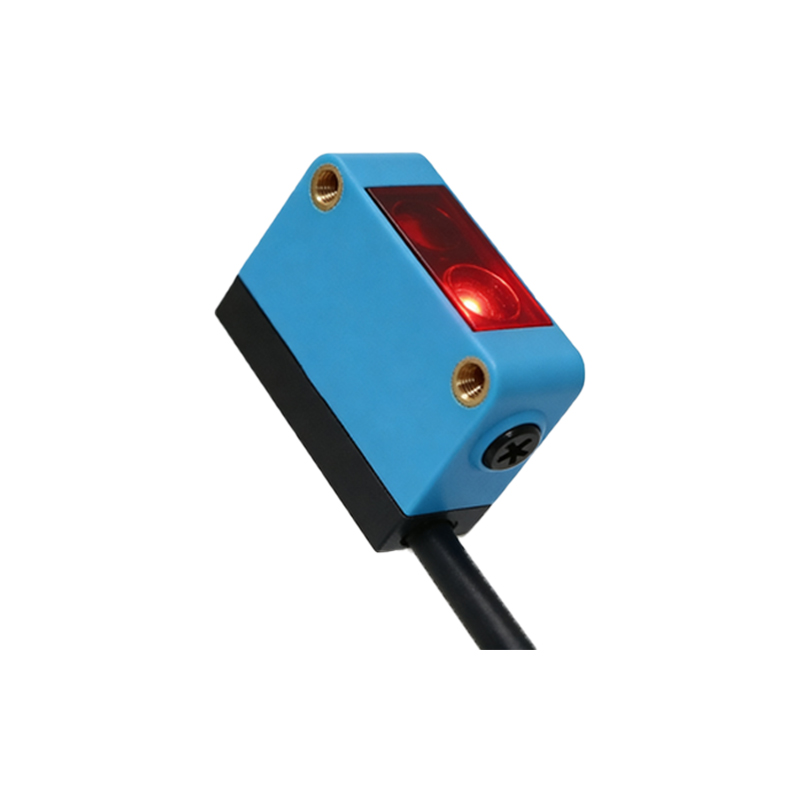
Several key technological trends defined the photoelectric sensor landscape in 2017. A primary focus was on enhanced performance in challenging environments. Sensors with improved background suppression technology became more prevalent, allowing for reliable detection of an object while ignoring surfaces or objects beyond a programmed distance. This was particularly valuable in packaging and material handling. Furthermore, the integration of advanced optics and smarter algorithms led to sensors with superior resistance to ambient light interference, including from high-intensity sources like welding arcs or sunlight. Another notable advancement was the miniaturization of housing designs without sacrificing sensing range or durability. This allowed for easier integration into compact machinery and robotic grippers. The year also saw a stronger push towards sensors with integrated IO-Link communication. This digital interface moved beyond simple switch functionality, enabling the bidirectional exchange of detailed parameter data, such as signal strength, operating temperature, and diagnostic warnings, facilitating predictive maintenance and Industry 4.0 readiness.
Laser Sensor Proliferation and Precision Applications
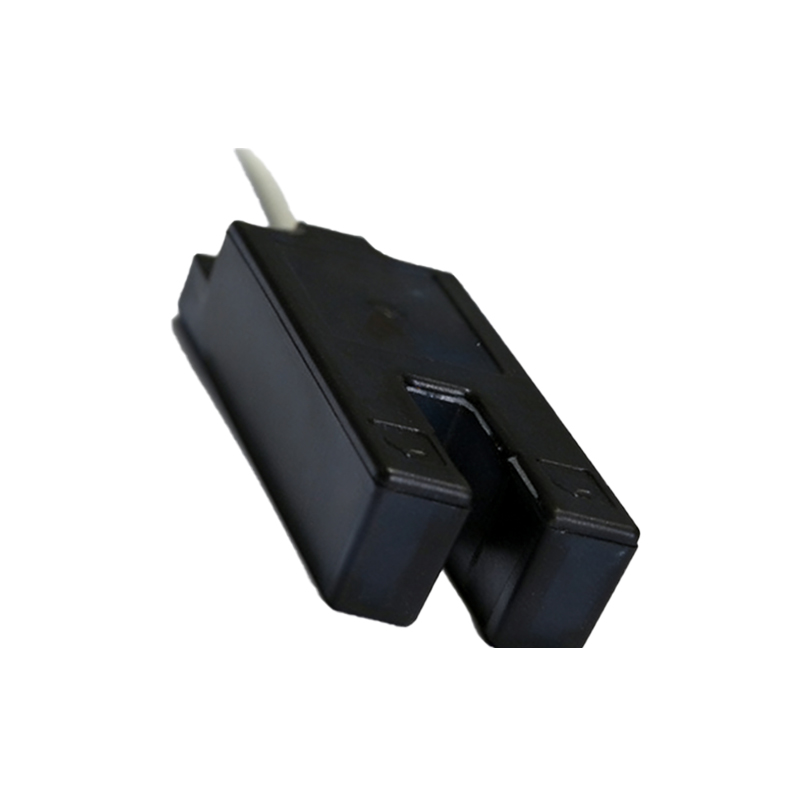
The adoption of Class 2 laser-based photoelectric sensors saw substantial growth in 2017. While traditional LED-based sensors were sufficient for many applications, laser sensors offered distinct advantages for high-precision tasks. Their extremely small, focused beam spot enabled the detection of minute objects, precise edge detection on webs of material, and accurate height differentiation. In electronics manufacturing, for instance, laser sensors were crucial for verifying the presence of tiny surface-mount components on circuit boards. In the automotive sector, they ensured precise gap measurement between body panels. The enhanced contrast recognition capabilities of laser light also improved the detection of low-reflectivity or transparent objects, such as clear glass bottles or plastic films, which had traditionally been problematic. The decreasing cost of laser diode technology made these high-performance sensors more accessible to a broader range of applications.
Enhanced Connectivity and Smart Features
Connectivity emerged as a major theme, aligning with the broader industrial Internet of Things (IIoT) movement. Photoelectric sensors were no longer seen as simple "dumb" devices but as intelligent nodes on the network. Models featuring built-in Ethernet/IP, PROFINET, or EtherCAT interfaces began to appear, allowing for direct integration into higher-level control systems without additional gateways. The aforementioned IO-Link protocol became a de-facto standard for point-to-point smart sensor connectivity, providing a simple migration path from traditional wiring. Smart features included advanced diagnostics like contamination warnings (based on a gradual decrease in received light intensity), teach-in functions for easy setup via a button or remote command, and the ability to store multiple parameter sets for different tasks. These features significantly reduced commissioning time, minimized unplanned downtime, and simplified troubleshooting for maintenance personnel.
Application Trends Across Major Industries
The evolution of photoelectric sensor technology directly addressed the needs of key industries in 2017. In food and beverage, hygienic designs with smooth surfaces and FDA-compliant materials became standard to meet strict sanitation protocols. Sensors with high-pressure washdown ratings (IP69K) were in high demand. In logistics and warehousing, the e-commerce boom drove the need for sensors that could reliably detect a wide variety of package sizes, colors, and materials on high-speed sortation systems. Background suppression sensors were critical here. The automotive industry, in its push towards advanced assembly and robotics, utilized precise laser sensors for quality control and flexible, IO-Link enabled sensors for re-toolable production lines. Furthermore, in renewable energy sectors like solar panel manufacturing, sensors played a vital role in handling and inspecting fragile silicon wafers and glass.
Challenges and Considerations for Implementation
Despite the advancements, engineers in 2017 still had to navigate specific challenges when selecting and implementing photoelectric sensors. Environmental factors remained paramount; dust, steam, and heavy vibration could impair performance if not properly accounted for with appropriately rated housings and sensing modes (e.g., using diffuse mode with polarization filters for shiny objects). The selection process required careful analysis of the target object's properties (size, color, material, surface finish), the required sensing distance, and the required response speed. Furthermore, the move towards smarter, networked sensors introduced new considerations for data management, network security, and the skill sets required for system integration and maintenance. Choosing between a cost-effective standard sensor and a feature-rich smart sensor became a strategic decision based on total cost of ownership and desired operational intelligence.
Future Outlook Beyond 2017
As 2017 drew to a close, the trajectory for photoelectric sensors was clearly set towards greater intelligence, precision, and integration. The convergence of sensing, communication, and data analytics promised a new generation of devices capable of self-monitoring and adaptive behavior. Expectations were growing for sensors with even more robust embedded diagnostics, energy-harvesting capabilities for wireless models, and tighter integration with cloud platforms for centralized asset management. The role of the photoelectric sensor was expanding from a basic detection component to a critical source of machine health and process data, solidifying its position as an essential eye on the factory floor for years to come.