Introduction to Anti-Interference Proximity Sensors
In the complex landscape of industrial automation, proximity sensors serve as the fundamental eyes of machinery, detecting the presence or absence of objects without physical contact. Among these, anti-interference proximity sensors have become indispensable. These specialized sensors are engineered to maintain reliable operation in electrically noisy environments, such as those near variable frequency drives (VFDs), welding equipment, or large motors. Their core value lies in providing stable, accurate detection signals, thereby preventing costly false triggers, machine downtime, and production errors. As industries push for higher efficiency and smarter manufacturing, the demand for these robust sensors continues to grow, making an understanding of their pricing structure crucial for engineers and procurement specialists.
Key Technological Features Influencing Price
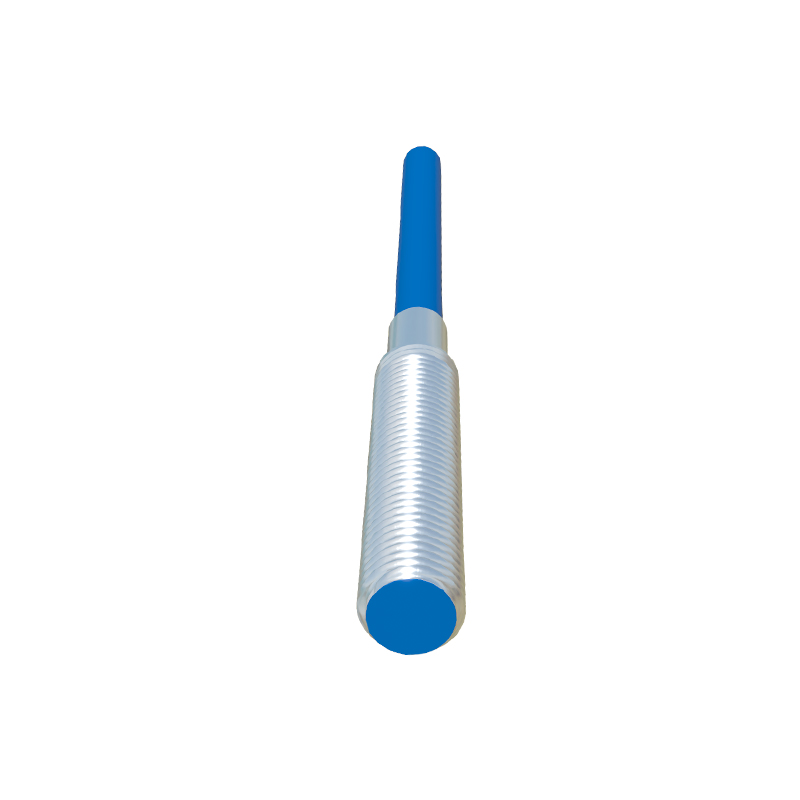
The price of an anti-interference proximity sensor is directly tied to its underlying technology and performance specifications. Firstly, the sensing technology itself—whether inductive, capacitive, or ultrasonic—impacts cost. Inductive sensors, common for metal detection, vary based on their sensing range and the type of metal they can detect. Secondly, the level of electromagnetic compatibility (EMC) protection is a major cost driver. Sensors with advanced shielding, sophisticated filtering circuits, and compliance with stringent international standards (like IEC 60947-5-2) command higher prices. Features such as embedded microprocessors for digital signal processing, which actively filter out noise, add to the manufacturing cost but significantly enhance reliability. The housing material, typically stainless steel or nickel-plated brass for durability and shielding, also contributes to the final price point.
Material and Manufacturing Considerations
The choice of materials and the complexity of manufacturing processes are substantial factors in sensor pricing. High-quality, industrial-grade components are essential for ensuring longevity and resistance to environmental factors like moisture, chemicals, and temperature extremes. The production of the sensing coil and the integrated circuit designed for noise immunity requires precision engineering. Furthermore, sensors designed for harsh environments may require potted electronics (encapsulated in resin) to resist vibration and shock, adding another layer of cost. Economies of scale play a role; standard, high-volume models are generally more affordable than highly customized sensors designed for a specific application with unique size, shape, or performance requirements.
Market Dynamics and Supplier Tiers
The market for industrial sensors is segmented, with pricing varying significantly across different supplier tiers. Established global brands like Siemens, Omron, Pepperl+Fuchs, and Balluff are often positioned at a premium. Their prices reflect not only the product's quality and advanced R&D but also comprehensive global support, long-term availability guarantees, and extensive documentation. Mid-tier and value-oriented brands offer competitive alternatives, sometimes at a lower initial cost. However, it is vital to scrutinize the specifications and real-world performance data regarding noise immunity. The distribution channel also affects price; purchasing directly from a manufacturer or authorized distributor typically ensures authenticity and support but may differ in cost compared to broad-line industrial suppliers.
Total Cost of Ownership vs. Initial Purchase Price
A critical concept in industrial procurement is the Total Cost of Ownership (TCO). While a basic proximity sensor might have a lower sticker price, an anti-interference model, though initially more expensive, often proves more economical over its lifecycle. The TCO includes factors like installation time, maintenance costs, and, most importantly, the cost of production interruptions. A sensor prone to interference can cause unplanned machine stops, leading to scrap material, missed deadlines, and labor costs for troubleshooting. Investing in a reliable, interference-immune sensor minimizes these risks, ensuring consistent production flow and protecting overall equipment effectiveness (OEE). Therefore, the evaluation must extend beyond the unit price to consider long-term operational stability.
Guidance for Cost-Effective Selection
Selecting the right sensor for a cost-effective balance requires a systematic approach. Begin by conducting a thorough assessment of the electrical environment where the sensor will operate. Identify potential noise sources. Carefully review sensor datasheets, focusing on EMC immunity test levels (like burst, surge, and RF field tests) rather than just the presence of a generic "anti-interference" label. For non-critical applications with minimal noise, a standard sensor with basic protection might suffice. For critical or high-noise applications, investing in a premium, high-immunity sensor is justified. Engaging with technical sales engineers from reputable suppliers can provide valuable insights and help avoid the pitfalls of under-specification, which is ultimately more costly than the sensor itself.