In the world of automation and smart devices, proximity sensors are the unseen heroes. These electronic components detect the presence or absence of an object within a specific range without any physical contact. Their ability to provide reliable, non-contact detection makes them indispensable in countless industries, from manufacturing and automotive to consumer electronics and security systems. This article delves into the fundamentals of proximity sensors, exploring their various types, core working principles, and real-world applications.
At its core, a proximity sensor converts information about the presence or distance of a target object into an electrical signal. The key advantage is the lack of mechanical contact, which eliminates wear and tear, ensures a longer operational life, and allows for high-speed detection. The sensor typically consists of an oscillator, a sensing coil or emitter, a signal converter, and an output circuit. When a target object enters the sensor's detection field, it causes a change in the oscillation amplitude, electromagnetic field, or light beam. This change is detected and converted by the sensor's circuitry into a clean, usable output signal, such as a switch closure (ON/OFF) or an analog voltage proportional to distance.
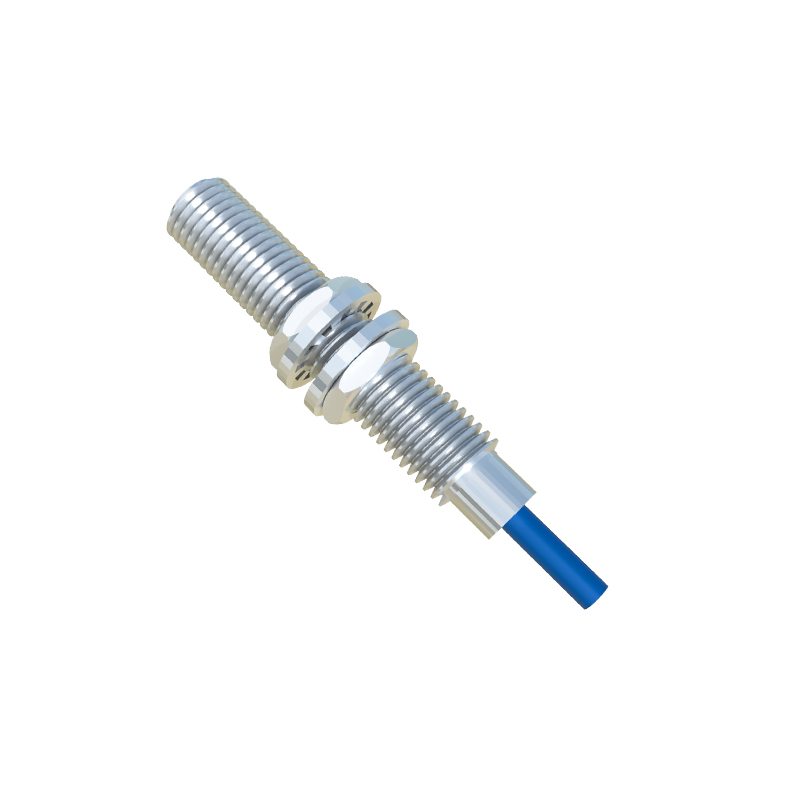
There are several primary types of proximity sensors, each based on a different physical principle and suited for specific materials and environments.
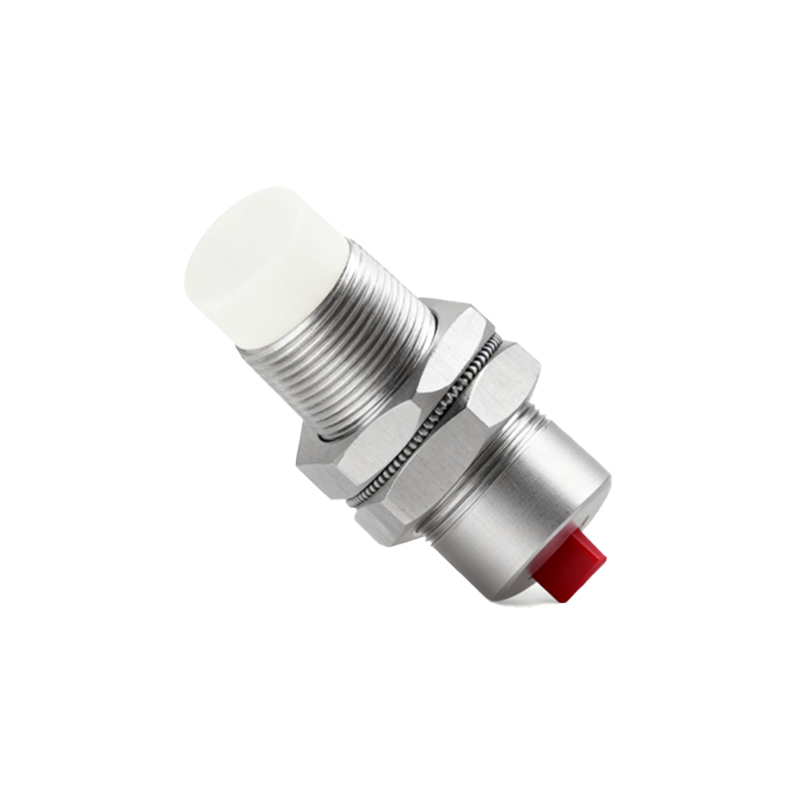
Inductive Proximity Sensors: These sensors detect metallic objects, primarily ferrous metals like iron and steel. They generate an electromagnetic field using a coiled oscillator. When a metal target enters this field, it induces eddy currents on the metal's surface, which dampens the oscillation. The sensor detects this damping and triggers an output. Inductive sensors are robust, resistant to dirt and dust, and ideal for harsh industrial environments like machine automation and metal detection on conveyor belts.
Capacitive Proximity Sensors: These sensors can detect both metallic and non-metallic objects, including liquids, plastics, glass, and wood. They work by generating an electrostatic field. Any object that enters this field alters the sensor's capacitance—its ability to store an electrical charge. This change is measured, and when it exceeds a preset threshold, the sensor activates. Capacitive sensors are perfect for level detection in tanks (e.g., liquid or granular materials), material handling, and detecting non-metallic containers.
Photoelectric Sensors: This type uses light, typically infrared, visible red, or laser, to detect objects. An emitter sends out a light beam, and a receiver detects it. There are three main configurations. The through-beam type has separate emitter and receiver units; an object is detected when it breaks the beam. The retro-reflective type uses a single unit and a reflector; detection occurs when the reflected beam is interrupted. The diffuse (or proximity) type has the emitter and receiver in one housing and detects an object by the light it reflects back. Photoelectric sensors offer long detection ranges and can sense virtually any material.
Ultrasonic Proximity Sensors: These sensors measure distance or detect objects using sound waves beyond human hearing. They emit high-frequency ultrasonic pulses and measure the time it takes for the echo to return after bouncing off an object. By calculating this time-of-flight, they can determine the object's presence and exact distance. Ultrasonic sensors are excellent for detecting transparent objects (like glass), liquid levels, and objects in challenging environments with dust or vapor.
Magnetic Proximity Sensors (Reed Switches): These are simple, cost-effective sensors activated by a magnetic field. They contain two ferromagnetic reeds sealed in a glass tube. When a permanent magnet approaches, the reeds attract each other and make contact, closing the switch. They are commonly used for door/window position sensing in security alarms and in low-speed rotational sensing.
The applications for proximity sensors are vast and growing. In automotive systems, they are used for parking assistance, blind-spot detection, and gear position sensing. On smartphone screens, a miniature proximity sensor turns off the display during a call to save power and prevent accidental touches. In industrial automation, they are the backbone for object counting, positioning control, end-of-travel detection for machinery, and ensuring safety by monitoring guard door positions. In consumer appliances, they enable touchless faucets and automatic soap dispensers. Furthermore, they play a critical role in robotics for obstacle avoidance and precise part handling.
When selecting a proximity sensor, key factors to consider include the target material, required sensing distance, environmental conditions (temperature, contaminants), output type needed (PNP/NPN, analog), response speed, and mounting constraints. Understanding these parameters ensures optimal performance and reliability in the intended application.
In conclusion, proximity sensors are fundamental enabling technologies for modern automation and interactive devices. By offering precise, contactless detection across a wide spectrum of materials and conditions, they enhance efficiency, safety, and functionality. As technology advances, these sensors continue to