In the world of industrial automation, manufacturing, and security, the reliable detection of metallic objects is a fundamental requirement. While dedicated metal detectors are widely known, a specific and highly effective technology for this task is the inductive proximity sensor. These sensors offer a non-contact, robust, and precise method for detecting the presence or absence of metallic targets, forming a critical component in countless automated systems.
At its core, an inductive proximity sensor designed for metal detection operates on the principle of electromagnetic induction. The sensor contains an oscillator circuit that generates a high-frequency electromagnetic field at its active face. When a metallic object enters this field, eddy currents are induced on the surface of the metal. These eddy currents draw energy from the sensor's oscillator, resulting in a measurable change in the oscillation amplitude. The sensor's internal circuitry detects this change and triggers a switching signal—typically turning a solid-state output ON or OFF. This entire process happens without any physical contact, making it ideal for applications involving fast-moving parts or in harsh environments where wear and tear are concerns.
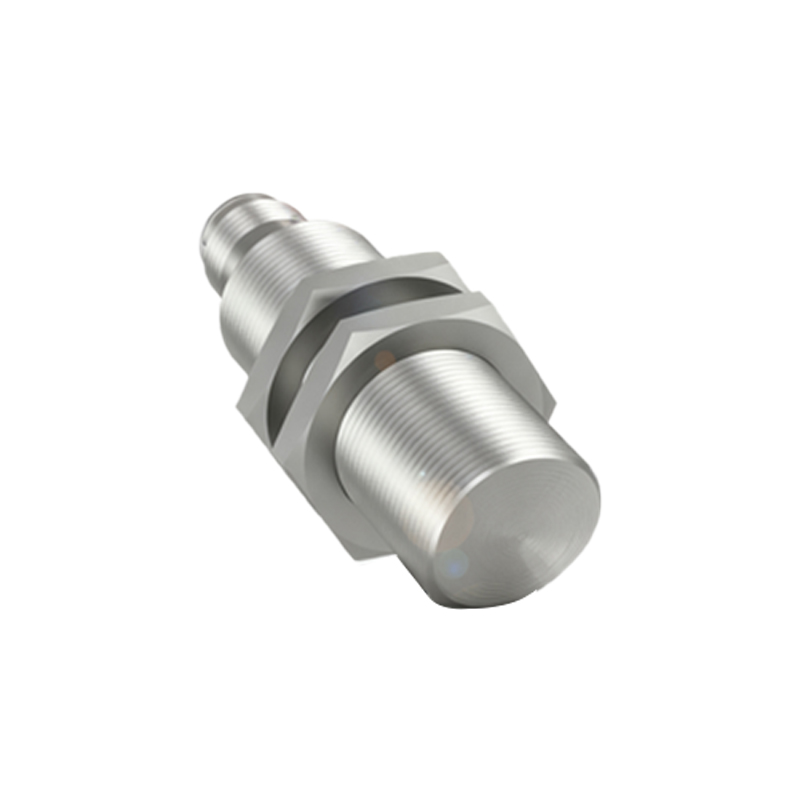
The effectiveness of an inductive sensor in detecting a metal object depends on several key factors. The most critical is the target material. Ferrous metals like iron and steel are most easily detected because they are both conductive and magnetic, leading to stronger eddy currents and a greater damping effect on the oscillator. Non-ferrous metals such as aluminum, copper, or brass are also detectable, but usually at a reduced sensing range compared to steel of the same size and shape. The sensor's rated operating distance, or nominal sensing range, is specified for a standard mild steel target. For other materials, a correction factor must be applied. The size, shape, and thickness of the target also influence detection; a larger, flat surface parallel to the sensor face provides the best response.
The applications for metal-detecting proximity sensors are vast and span nearly every industry. In automotive assembly lines, they verify the presence of engine blocks, pistons, or brake components. In packaging machinery, they count metal cans or foil lids. In material handling, they detect the position of metal pallets or robotic arms. A crucial safety application is in automated doors and gates, where sensors ensure no metal obstruction is in the path before closure. They are also indispensable in machine tools for tool breakage detection and part positioning. Their sealed, rugged housings (often in IP67 or IP69K ratings) allow them to perform reliably in environments with coolant, dust, chips, and vibration.
Selecting the right inductive proximity sensor requires careful consideration of the operating parameters. First, define the target material and required sensing distance. Always consult the manufacturer's data for correction factors for non-steel targets. Next, consider the sensor housing style (cylindrical, rectangular, or ring-shaped) and size, which must fit the mechanical installation constraints. The electrical output type is another key decision: two-wire DC, three-wire DC (NPN or PNP sinking/sourcing), or analog output models provide different interface options for PLCs and controllers. Environmental conditions dictate the necessary ingress protection rating and whether a specific housing material like stainless steel or nickel-plated brass is needed for chemical resistance. For high-speed counting or small-part detection, a sensor with a high switching frequency is essential.
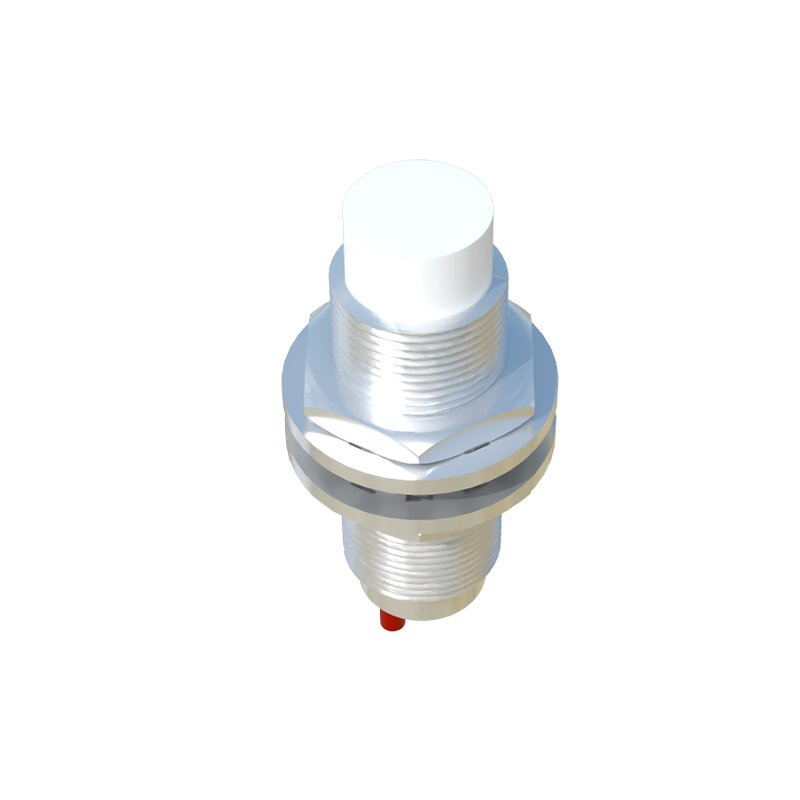
Modern advancements continue to enhance the capabilities of these sensors. Factor-1 sensors, for instance, have a sensing range independent of the target material, simplifying application for mixed-metal production lines. Sensors with IO-Link digital communication provide not just a simple switch signal but also diagnostic data like operating temperature, signal strength, and device health, enabling predictive maintenance. Furthermore, specialized models with extended temperature ranges or enhanced resistance to electromagnetic interference (EMI) push the boundaries of where these devices can be deployed.
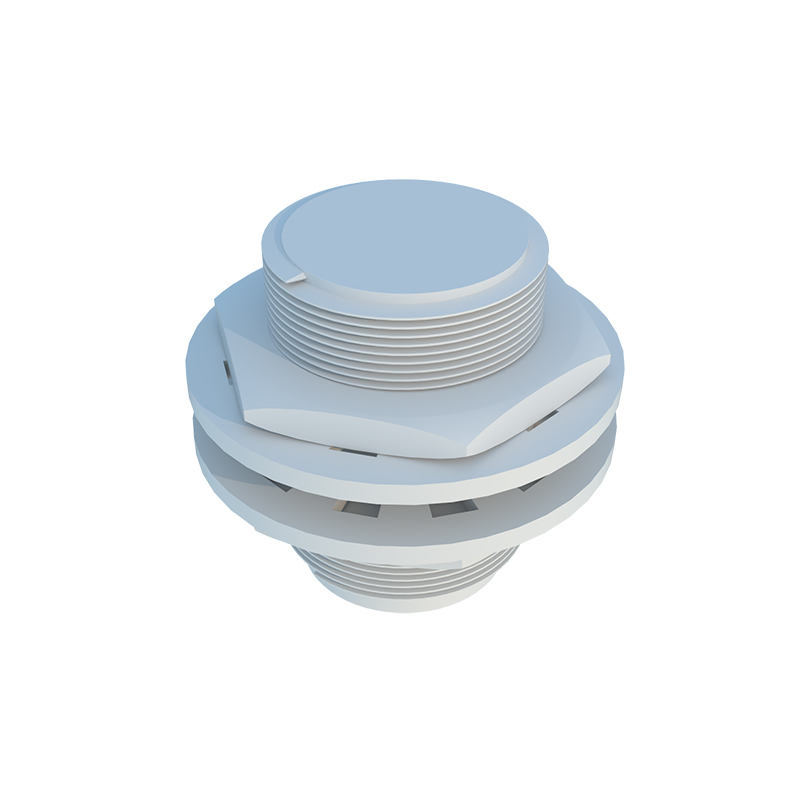
In conclusion, inductive proximity sensors provide a supremely reliable, maintenance-free solution for metal detection tasks. Their non-contact nature ensures long service life, while their solid-state design offers millions of error-free switching cycles. By understanding the underlying operating principle, key influencing factors, and the broad spectrum of available models, engineers and technicians can effectively integrate these sensors to improve automation efficiency, enhance product quality, and ensure operational safety. From simple presence detection to complex positional feedback, the humble inductive proximity sensor remains a cornerstone of modern industrial sensing.