Understanding the Core Technology and Its Impact on Cost
The price of a small proximity sensor is not merely a number on a tag; it is a direct reflection of its underlying technology, performance specifications, and intended application. Fundamentally, these non-contact devices detect the presence or absence of an object within their sensing range. The three primary technologies dominate the market: inductive, capacitive, and photoelectric. Inductive sensors, detecting metallic objects, are often the most cost-effective for standard metal detection tasks. Capacitive sensors, which can detect both metallic and non-metallic materials, typically carry a slightly higher price point due to their more complex circuitry. Photoelectric sensors, offering the longest sensing ranges and versatility, generally command a premium, especially in sophisticated modulated or background suppression models. The choice of technology is the first and most significant determinant of the small proximity sensor price, setting the baseline for the investment.
Key Specifications That Directly Influence Pricing
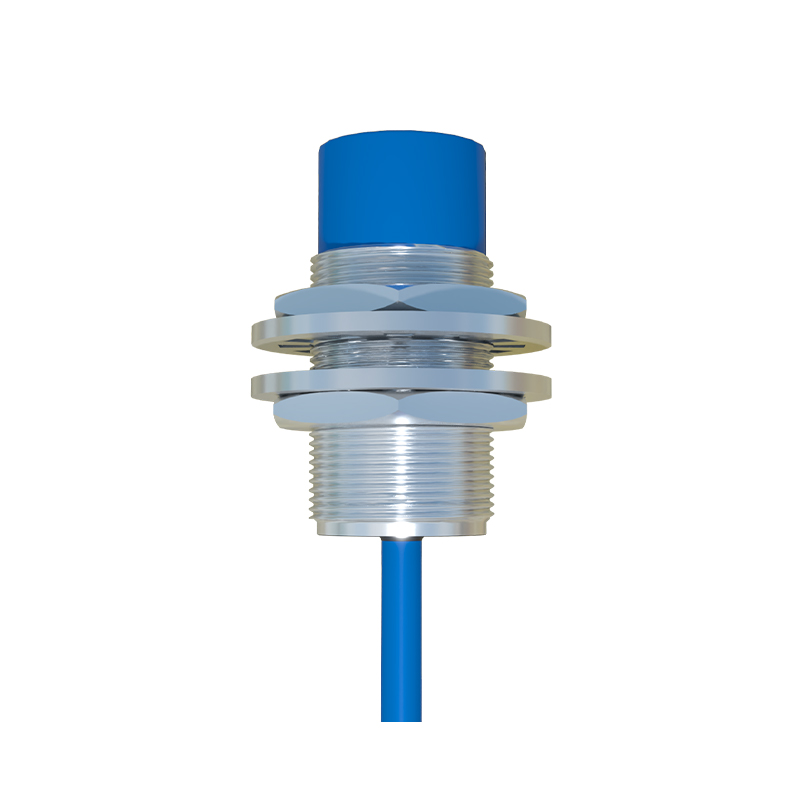
Beyond the core technology, a detailed examination of specifications reveals why prices vary significantly between seemingly similar models. Sensing range is a primary factor; a sensor with a 15mm range will be less expensive than one rated for 30mm, all else being equal. The housing material also plays a crucial role. Standard plastic or nickel-plated brass housings are economical, while sensors with stainless steel housings, required for harsh environments like food processing or chemical plants, incur a higher cost. Output configuration (PNP vs. NPN, NO vs. NC) has a minor impact, but features like analog output, IO-Link communication, or high-speed response capabilities can substantially increase the price. Finally, the protection rating (IP67, IP69K) is critical. A sensor designed to withstand high-pressure washdowns will be priced higher than a basic IP67 unit.
Market Dynamics and Brand Positioning
The industrial automation market features a wide spectrum of brands, each with its pricing strategy, which greatly affects the small proximity sensor price. Established global leaders like Siemens, Omron, and Schneider Electric often position their products at a premium, justified by extensive R&D, global supply chain reliability, comprehensive warranties, and robust technical support. Mid-tier and specialized brands may offer competitive pricing with slightly relaxed tolerances or regional support. Meanwhile, a growing number of generic or economy brands, often sourced directly from manufacturers, offer the lowest entry prices. However, buyers must carefully evaluate consistency, longevity, and documentation. The brand premium is not just for the name; it often correlates with proven performance in demanding applications and reduced long-term risk.
The Total Cost of Ownership: A Broader Perspective
Focusing solely on the initial purchase price is a common pitfall. The intelligent buyer evaluates the Total Cost of Ownership (TCO). A slightly higher-priced sensor from a reputable supplier can offer far greater value over its lifecycle. Factors contributing to TCO include installation time (simpler designs save labor), mean time between failures (MTBF – reliability reduces downtime costs), compatibility with existing systems (avoiding adapters or reprogramming), and ease of replacement. A sensor that fails prematurely can cause production line stoppages costing thousands per hour, dwarfing the initial savings from a cheaper unit. Therefore, the true "value" of a small proximity sensor price is measured by its reliability, integration ease, and contribution to overall system uptime.
Current Pricing Trends and Future Outlook
The market for small proximity sensors is dynamic. In recent years, pressures from global supply chain disruptions and rising raw material costs have pushed prices upward for many standard models. However, technological advancements are also exerting a countervailing force. The increased adoption of automated manufacturing in sensor production is gradually reducing labor costs. Furthermore, the integration of smart features like IO-Link, once a premium add-on, is becoming more standardized, offering more functionality at stable or slowly decreasing price points. Looking ahead, buyers can expect continued segmentation: basic sensors may become commoditized with aggressive pricing, while advanced, intelligent sensors with diagnostic capabilities will create new value propositions at higher price tiers. Strategic sourcing and a clear understanding of application needs are key to navigating this landscape.