Introduction to Proximity Sensors in Human Detection
Proximity sensors are essential devices in modern automation and safety systems, designed to detect the presence of objects or humans without physical contact. In industrial and commercial settings, these sensors play a critical role in enhancing operational efficiency, ensuring workplace safety, and enabling smart interactions. For human detection specifically, proximity sensors help prevent accidents by monitoring hazardous zones, controlling access, and facilitating user-friendly interfaces in applications like automatic doors, elevators, and touchless controls. This article explores the various types of proximity sensors used for human detection, detailing their working principles, advantages, and typical use cases.
Capacitive Proximity Sensors
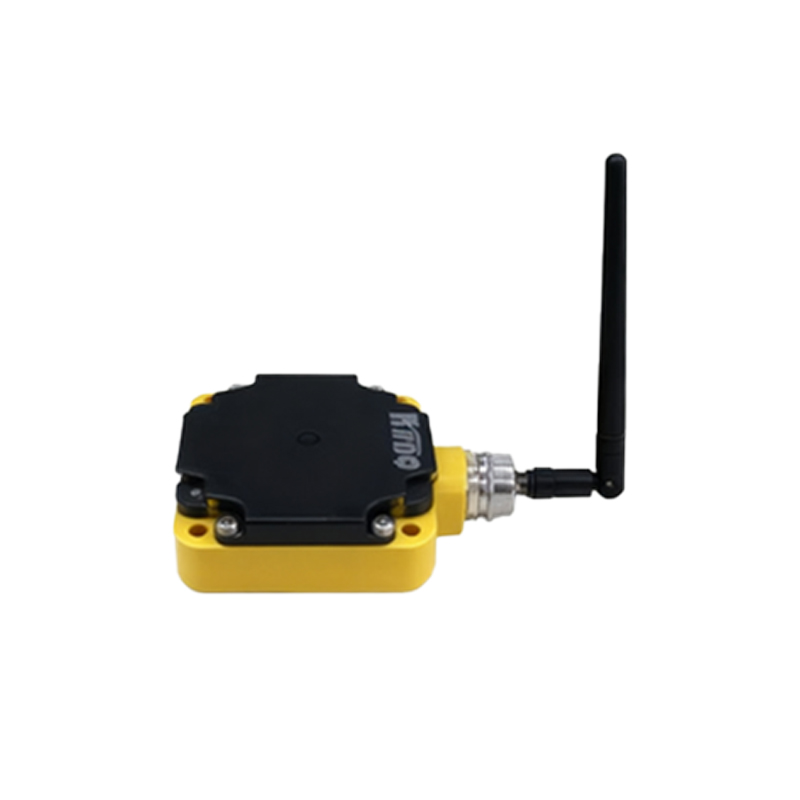
Capacitive proximity sensors operate by detecting changes in capacitance caused by the presence of a human body. These sensors generate an electrostatic field and measure alterations when a person enters the sensing area. They are highly sensitive and can detect humans through non-metallic materials like glass or plastic, making them suitable for applications such as touchscreens, liquid level detection, and occupancy sensing in restrooms. However, their performance may be affected by environmental factors like humidity or temperature. Capacitive sensors are valued for their versatility and ability to sense a wide range of materials, including human skin, which has distinct dielectric properties.
Inductive Proximity Sensors
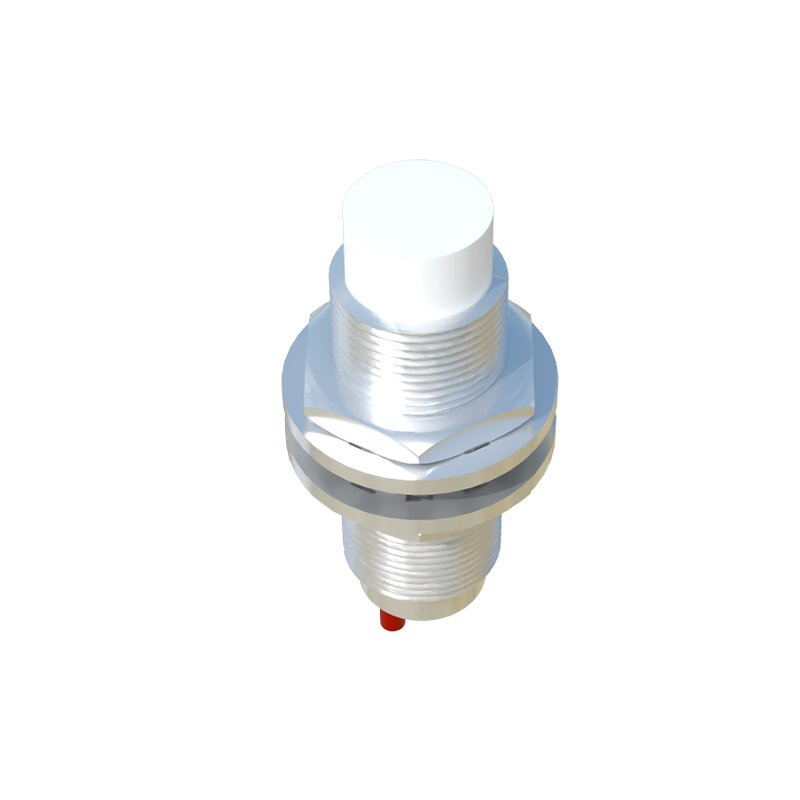
Inductive proximity sensors are primarily used for detecting metallic objects but can be adapted for human detection in specific scenarios, such as when a person carries metal items or wears accessories. These sensors work by creating an electromagnetic field; when a conductive object enters the field, it induces eddy currents, triggering the sensor. While not ideal for direct human body detection due to low conductivity of skin, they are effective in industrial safety systems where machinery must stop if a worker with metal tools approaches. Their robustness and resistance to environmental conditions like dust or moisture make them reliable in harsh settings.
Ultrasonic Proximity Sensors
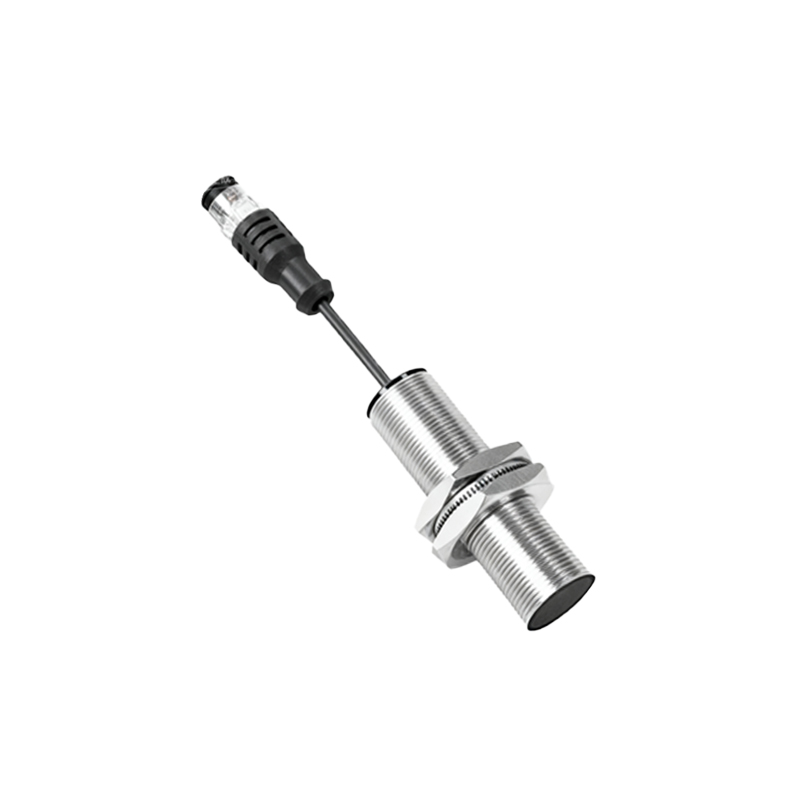
Ultrasonic proximity sensors use sound waves at frequencies above human hearing to detect objects, including humans. They emit ultrasonic pulses and measure the time taken for echoes to return after hitting a target. This technology allows for accurate distance measurement and can detect humans regardless of material composition, making it useful in applications like parking assistance, automatic hand dryers, and people counting systems. Ultrasonic sensors perform well in various lighting conditions and are less affected by color or transparency of objects. However, they may face interference from soft materials that absorb sound or from environmental noise.
Infrared (IR) Proximity Sensors
Infrared proximity sensors detect humans by emitting IR light and analyzing the reflected signal. Passive infrared (PIR) sensors, commonly used in motion detectors, sense changes in infrared radiation caused by body heat, making them effective for security systems and energy-saving lighting. Active IR sensors, on the other hand, project IR beams and measure reflection for precise detection, often found in touchless faucets or gesture controls. These sensors are cost-effective and widely used in consumer electronics and building automation, though they can be influenced by ambient heat sources or direct sunlight.
Photoelectric Proximity Sensors
Photoelectric proximity sensors utilize light beams, typically infrared or laser, to detect the presence of humans. They consist of an emitter and a receiver; when a person interrupts the light beam, the sensor triggers a response. These sensors are ideal for long-range detection and are employed in applications like automatic doors, conveyor belt safety, and assembly line monitoring. They offer high accuracy and fast response times but may require regular maintenance to keep lenses clean from dust or debris. Variants include through-beam, retro-reflective, and diffuse reflection types, each suited to different operational needs.
Radar-Based Proximity Sensors
Radar-based proximity sensors use radio waves to detect humans by analyzing Doppler shifts or time-of-flight measurements. They are capable of sensing through obstacles like walls or clothing, making them valuable in advanced security systems, healthcare monitoring, and smart home devices. These sensors provide high resolution and can track movement speed and direction, enhancing applications in fall detection for the elderly or intrusion alarms. While more expensive than other types, radar sensors offer superior performance in complex environments and are less prone to false triggers from non-human objects.
Selection Criteria for Human Detection Sensors
Choosing the right proximity sensor for human detection depends on several factors. Consider the sensing range required—short-range for touchless switches or long-range for area monitoring. Environmental conditions, such as temperature, humidity, and potential interference, also influence selection; for instance, ultrasonic sensors may struggle in noisy areas, while capacitive sensors excel in clean, dry settings. Cost, power