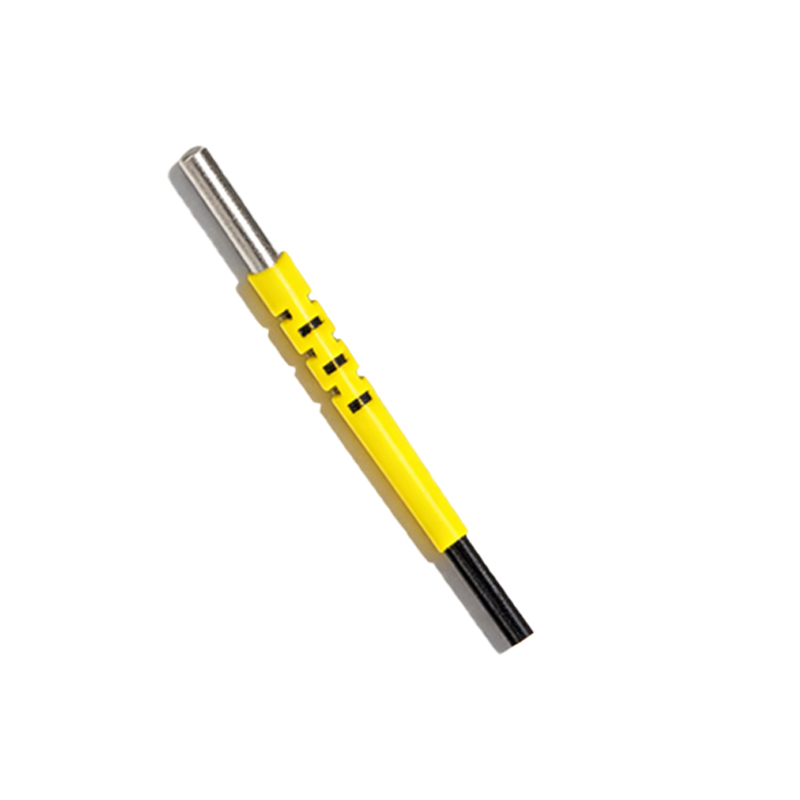
Overview of Infrared Photoelectric Sensor Exterior
Infrared photoelectric sensors are typically housed in compact, durable casings designed for industrial and commercial applications. The most common housing materials include ABS plastic, polycarbonate, or metal alloys such as aluminum, which provide resistance to environmental factors like dust, moisture, and mechanical impact. The exterior is often cylindrical or rectangular, with sizes ranging from small cylindrical models about 12mm in diameter to larger rectangular units exceeding 50mm in length. A key visual feature is the presence of two distinct optical windows or lenses on the front face—one for emitting infrared light and the other for receiving the reflected or transmitted signal. These lenses are usually made of transparent or semi-transparent materials that allow specific infrared wavelengths to pass while filtering out ambient visible light interference. The housing color is frequently black or dark gray to minimize internal light reflection and enhance durability, though some models feature bright colors like yellow or orange for high-visibility safety applications. Mounting brackets, threaded barrels, or flange attachments are integrated into the design, allowing for easy installation on machinery, conveyor systems, or automated equipment. Many sensors include alignment indicators, such as LED status lights, which are visible through the casing to assist in setup and diagnostics. The overall design prioritizes robustness, with ingress protection ratings like IP67 or IP69K common for models used in harsh environments, ensuring reliable operation in settings from clean rooms to outdoor industrial sites.
Optical Component Design and Layout
The optical components of an infrared photoelectric sensor are meticulously arranged within the housing to optimize performance. The infrared emitter, typically an LED or laser diode, is positioned behind the emission lens, which focuses the light into a narrow beam. Opposite or adjacent to it, the receiver—a phototransistor or photodiode—is situated behind the reception lens, which collects the reflected or direct infrared signal. In retro-reflective or diffuse sensors, both emitter and receiver are often housed in the same unit, with lenses placed side-by-side or in a coaxial configuration to minimize blind spots. For through-beam sensors, the emitter and receiver are separate devices, each with a single lens, requiring precise alignment during installation. The lenses may be flat or convex, depending on the sensing range and beam pattern required; convex lenses help widen the detection area, while flat lenses maintain a focused beam for long-range applications. Some advanced models incorporate polarizing filters or modulation techniques to reduce false triggers from shiny surfaces or ambient light. The internal layout ensures minimal crosstalk between emitter and receiver, with barriers or shielding materials used to prevent internal reflection. This careful design enables sensors to detect objects accurately over distances from a few millimeters to several meters, with response times as fast as microseconds in high-speed applications.
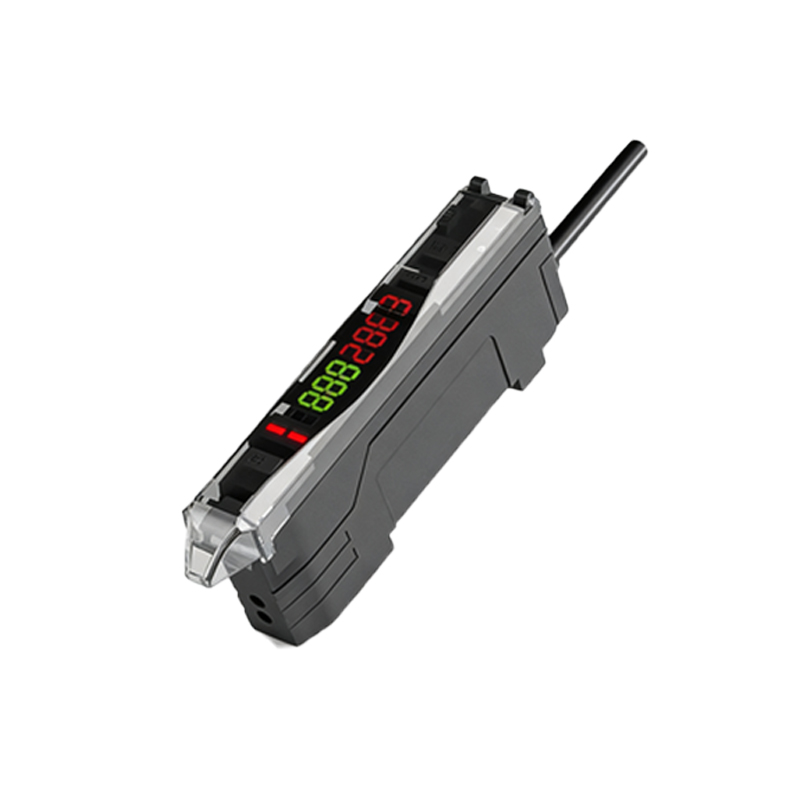
Electrical Connections and Interface Features
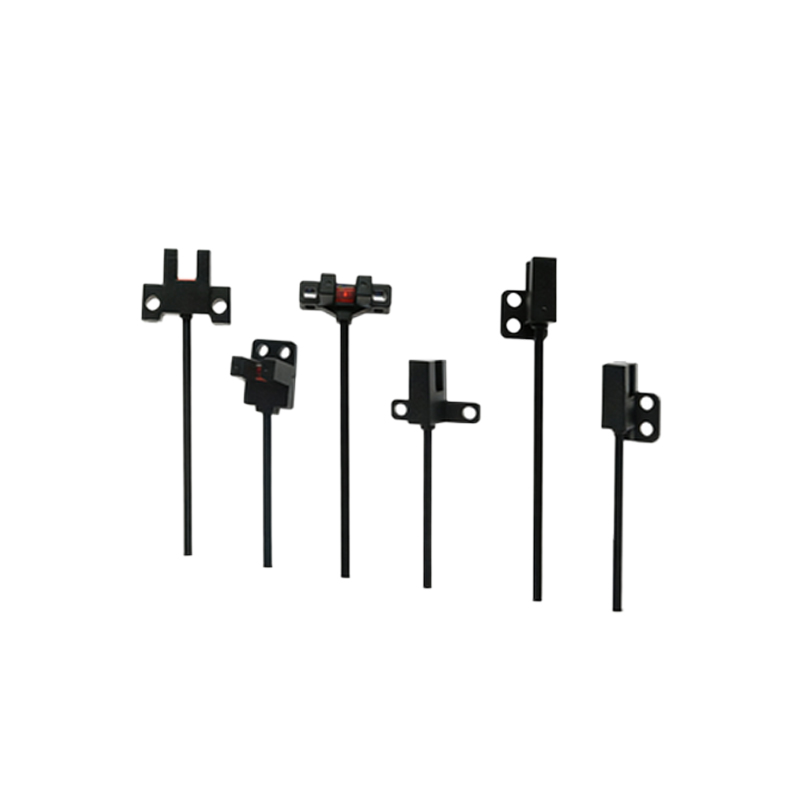
Electrical connectivity is a critical aspect of infrared photoelectric sensor design, typically involving cable or connector options integrated into the housing. Many sensors feature a fixed cable exit, with PVC or PUR sheathed cables that offer flexibility and resistance to oils, chemicals, and abrasion. The cable length can vary from 0.5 meters to 5 meters or more, depending on the application requirements. Alternatively, some models use quick-disconnect connectors, such as M8 or M12 types, which allow for easy replacement and maintenance without rewiring. The connection points are sealed to maintain the housing's ingress protection rating. On the sensor body, there are often adjustment controls, such as potentiometers or digital buttons, for setting sensitivity, timing functions, or output modes. These controls are accessible through small openings or covered by protective caps to prevent accidental changes. Indicator LEDs are prominently placed near the lenses or on the top surface, showing power status, output activation, and alignment quality—usually with green, red, or yellow lights. The output configuration, such as NPN, PNP, or relay contacts, is indicated on a label along with voltage ratings (e.g., 10-30V DC). This interface design ensures user-friendly operation and integration into control systems, with clear markings for wiring and configuration even in low-light industrial environments.
Environmental Adaptations and Custom Variations
Infrared photoelectric sensors are adapted for diverse environments through specialized exterior features. For high-temperature applications, sensors may include heat-resistant coatings or cooling fins, with operating ranges extending up to 70°C or higher. In corrosive settings, such as chemical plants, housings are made from stainless steel or coated with epoxy resins to withstand exposure to acids or solvents. Washdown models feature smooth surfaces without crevices, allowing for easy cleaning in food processing or pharmaceutical industries. Some sensors are designed with background suppression capabilities, incorporating additional lenses or apertures to ignore distant objects, which is reflected in a more complex front-face design. Miniature versions, as small as 4mm in diameter, are used in tight spaces like electronic assemblies, while heavy-duty models with reinforced metal casings suit mining or construction equipment. Custom colors, logos, or cable lengths are available from manufacturers to meet specific customer needs. The overall appearance balances functionality with adaptability, ensuring that the sensor not only performs reliably but also fits seamlessly into various operational contexts, from automated packaging lines to robotic arms.