Unmatched Reliability in Harsh Environments
Proximity switch sensors have earned widespread acclaim for their exceptional durability and consistent performance under the most demanding industrial conditions. Unlike mechanical switches prone to wear and tear, these non-contact sensors operate flawlessly in environments filled with dust, oil, coolant, and vibrations. Their sealed housings, often rated IP67 or higher, provide robust protection against ingress, ensuring signal integrity where other sensing methods would fail. This inherent reliability translates directly into reduced machine downtime and lower maintenance costs, a key factor driving their positive reputation across manufacturing, packaging, and material handling sectors. The ability to deliver millions of error-free switching cycles makes them a cornerstone of modern, high-uptime production lines.
Precision and Speed for Enhanced Productivity
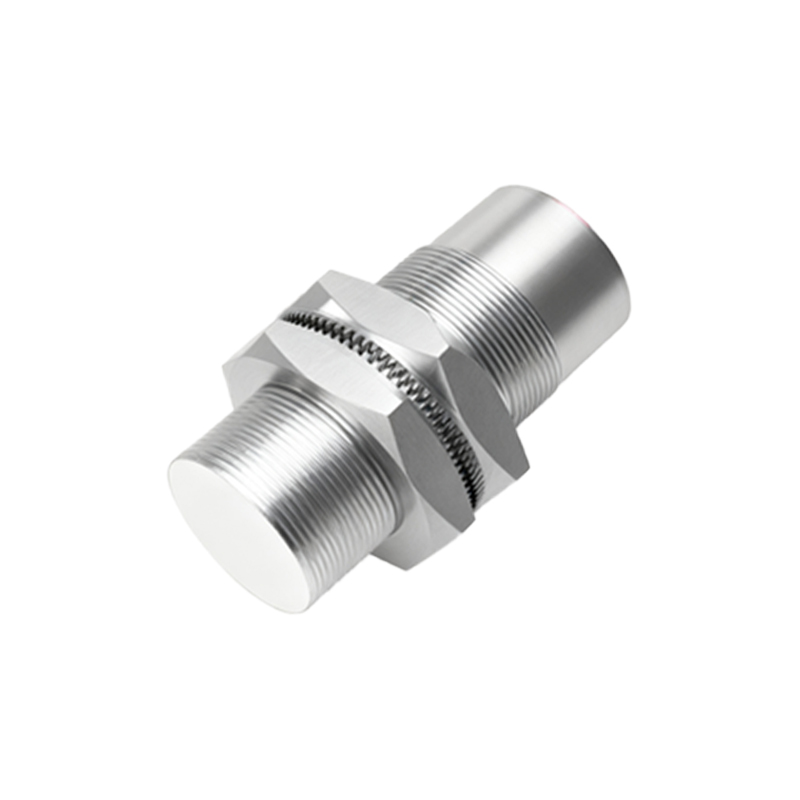
The precision of modern inductive, capacitive, and magnetic proximity sensors is frequently highlighted in user testimonials. They offer repeatable sensing with micron-level accuracy, enabling precise positioning, counting, and inspection tasks that are critical for quality control. Their high switching frequency—often in the kilohertz range—allows them to keep pace with the fastest automated machinery, detecting small parts on high-speed conveyors or verifying the position of robotic arms without missing a beat. This combination of pinpoint accuracy and rapid response is pivotal for optimizing cycle times and improving overall equipment effectiveness (OEE), making them indispensable for lean manufacturing initiatives.
Simplified Installation and Reduced Wiring Complexity
Engineers and technicians consistently praise the ease of installation and integration associated with proximity sensors. Their standardized form factors (e.g., cylindrical M8, M12, M18 connectors) and clear LED status indicators simplify mounting and troubleshooting. Many models feature short-circuit and overload protection, safeguarding both the sensor and the controller. The advent of IO-Link enabled proximity switches has further amplified positive feedback, as they facilitate advanced diagnostics, parameterization, and device identification through a standard 3-wire cable, drastically reducing wiring efforts and enabling predictive maintenance strategies.
Versatility Across a Broad Spectrum of Applications
The versatility of proximity sensors is a recurring theme in positive reviews. Inductive sensors reliably detect all metals, with specialized versions for non-ferrous metals. Capacitive sensors handle non-metallic materials like glass, wood, plastics, and liquids. Magnetic sensors provide robust solutions for cylinder positioning. This wide range allows a single sensor technology family to solve diverse challenges, from detecting filled levels in bottles to ensuring a cabinet door is closed for safety. Their application flexibility reduces the need for stocking multiple sensor types, streamlining inventory management for maintenance departments.
Cost-Effectiveness and Long-Term Value
While the initial purchase price is a consideration, the overwhelming positive feedback focuses on the total cost of ownership. The absence of moving parts eliminates mechanical wear, leading to a exceptionally long service life. Their non-contact operation means no physical force is applied to the target, preventing damage to both the sensor and the object being sensed. This durability, coupled with minimal maintenance requirements, results in significant long-term savings. The investment in a high-quality proximity sensor is consistently noted as delivering rapid ROI through improved process reliability, reduced waste, and enhanced production efficiency.
Enabling Smarter, Connected Factories
In today's era of Industry 4.0, the positive narrative extends to the smart capabilities of advanced proximity sensors. Their ability to provide not just a simple on/off signal but also data on operating temperature, switch cycle count, and signal strength is highly valued. This diagnostic information, accessible via IO-Link or other industrial networks, allows for condition monitoring and proactive maintenance, preventing unplanned stoppages. By serving as reliable data points on the factory floor, these sensors form the essential sensory layer of the Industrial Internet of Things (IIoT), enabling smarter automation and data-driven decision-making.