Introduction to Photoelectric Sensing
Photoelectric sensors are fundamental components in modern industrial automation, serving as the eyes of a control system. They operate by emitting a beam of light, typically from an LED or laser diode, and detecting changes in the received light's properties. These changes are then converted into an electrical signal to indicate the presence, absence, or position of an object. The core principle relies on the interaction between light and the target, making them highly versatile for detecting a vast range of materials, regardless of color, material, or surface texture, unlike proximity sensors which are limited to metals. Their non-contact nature ensures no physical wear on the sensor or the target, leading to high reliability and long service life in demanding environments such as packaging, material handling, assembly, and automotive manufacturing.
Through-Beam Sensors: The Long-Range Champion
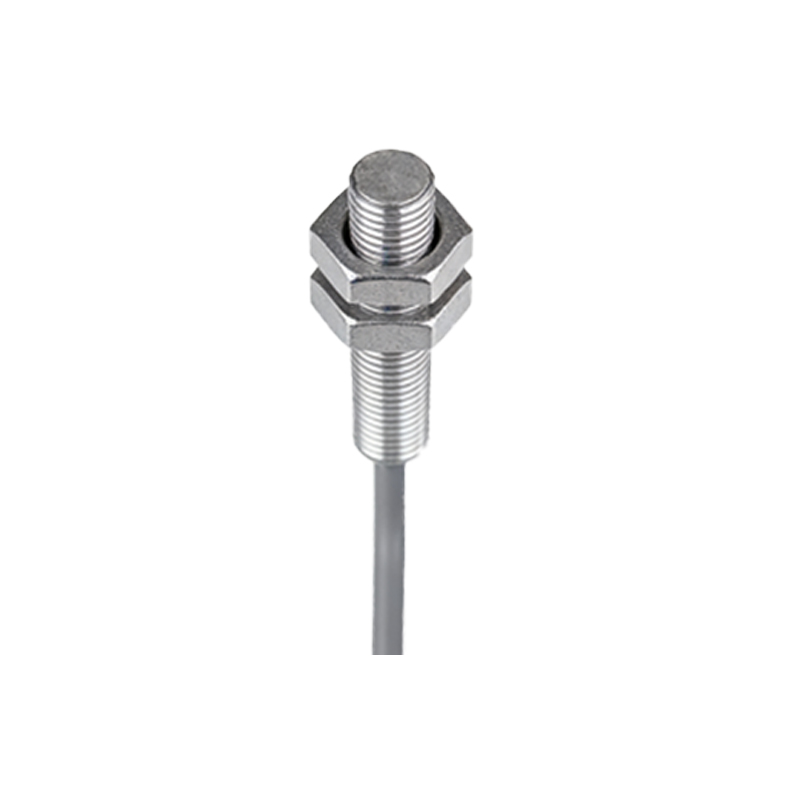
The through-beam, or opposed-mode, sensor consists of two separate units: a transmitter and a receiver positioned directly opposite each other. The transmitter continuously emits a light beam to the receiver. An object is detected when it interrupts this beam. This type offers the longest sensing ranges, often exceeding 100 meters, and provides the highest excess gain, meaning it is highly immune to environmental factors like dust, dirt, or target surface characteristics. It is exceptionally reliable for precise detection. However, the main drawback is the need for precise alignment of two separate components and wiring on both sides, which can increase installation complexity and cost. They are ideal for applications requiring long-range detection or where the target object may be dirty, transparent, or reflective.
Retro-Reflective Sensors: A Balanced Solution
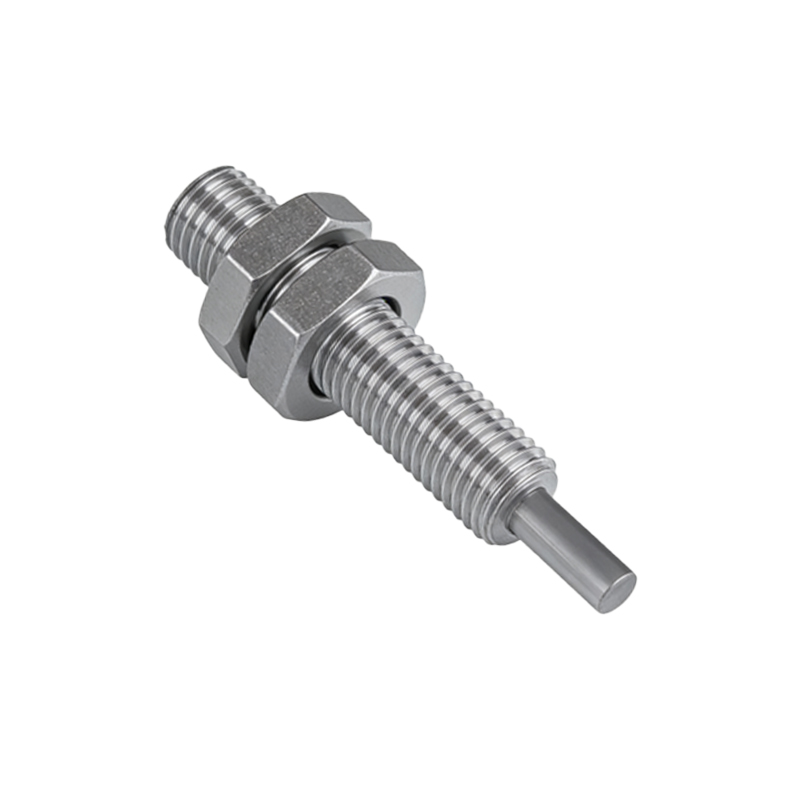
Retro-reflective sensors combine the emitter and receiver into a single housing. They work by projecting light toward a specially designed reflector, often a corner-cube reflector, which bounces the light directly back to the receiver. Detection occurs when an object breaks this reflected beam. This design offers a good balance between sensing distance (typically up to 10-15 meters) and simplified installation, as only one device needs to be wired and mounted, with a reflector placed on the opposite side. A key feature is the use of polarizing filters to prevent the sensor from mistakenly detecting shiny objects as the reflector. This is crucial for reliable operation when detecting metallic or glossy surfaces. They are a popular choice for medium-range applications where through-beam installation is impractical.
Diffuse Reflective Sensors: The Compact Proximity Choice
Diffuse reflective, or proximity-mode, sensors are the most compact and simplest to install, as they contain both emitter and receiver in one unit and do not require a separate reflector. The sensor detects an object when the emitted light reflects off the target's surface and returns to the receiver. The sensing distance is the shortest among the three main types and is heavily dependent on the target's size, color, and surface texture. Light-colored, matte surfaces provide the best reflectivity and longest range, while dark or absorbent surfaces significantly reduce the effective range. Advanced versions, known as background suppression or convergent beam sensors, use triangulation to detect objects only within a specific, defined field, ignoring more distant backgrounds. These are ubiquitous in applications like object counting, bottle cap detection, and short-range presence sensing.
Specialized Photoelectric Sensor Types
Beyond the three primary configurations, specialized photoelectric sensors address niche challenges. Fiber optic sensors use flexible light guides to transmit light to and from a remote amplifier, allowing detection in extremely tight spaces, high-temperature zones, or areas with high electromagnetic interference. Color mark sensors are tuned to detect specific color contrasts or luminescence, essential in printing and labeling. Luminescence sensors detect the presence of materials like adhesives or security markings by sensing their UV-induced visible glow. Clear object detection sensors, often using a through-beam or retro-reflective design with high-frequency modulated light, reliably sense transparent materials like glass or plastic films that standard sensors might miss. Laser sensors provide a very precise, small spot for exact positioning and measurement tasks.
Key Selection Criteria for Engineers
Selecting the correct photoelectric sensor type requires a systematic analysis of the application parameters. First, define the required sensing distance and the physical space available for mounting. Next, consider the target characteristics: size, material, color, surface finish, and whether it is opaque or transparent. The operating environment is critical; factors like ambient light, dust, moisture, temperature, and vibration will dictate the needed ingress protection (IP) rating, housing material, and light source modulation to prevent false triggers. Finally, the required output type (e.g., NPN/PNP discrete, analog, IO-Link) and response speed must match the control system's requirements. A thorough evaluation ensures optimal performance, reliability, and cost-effectiveness for the automation solution.