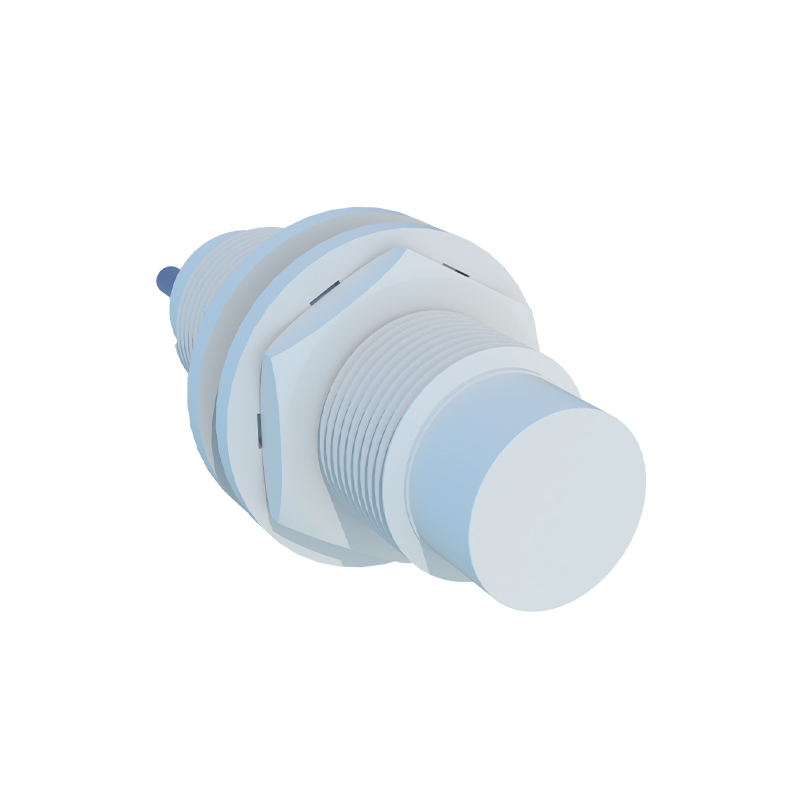
In the realm of industrial automation, robotics, and smart devices, the ability to detect the presence, absence, or distance of an object without physical contact is paramount. Among the various sensing technologies available, micro photoelectric proximity sensors have emerged as a critical component, offering high precision, reliability, and versatility in a compact form factor. These sensors operate on the fundamental principle of using light to detect objects, making them indispensable in environments where non-contact sensing is required.
The core working principle of a micro photoelectric proximity sensor involves three key elements: an emitter, a receiver, and a signal processing unit. The emitter, typically a light-emitting diode (LED) or a laser diode, projects a beam of light—often infrared to be invisible to the human eye. The receiver, a phototransistor or photodiode, is designed to detect this light. When an object enters the sensor's detection range, it interrupts or reflects the light beam, depending on the sensor's mode of operation. This change in light reception is converted into an electrical signal by the receiver. The integrated signal processing circuitry then analyzes this signal to determine the object's presence or distance and outputs a corresponding digital or analog signal.
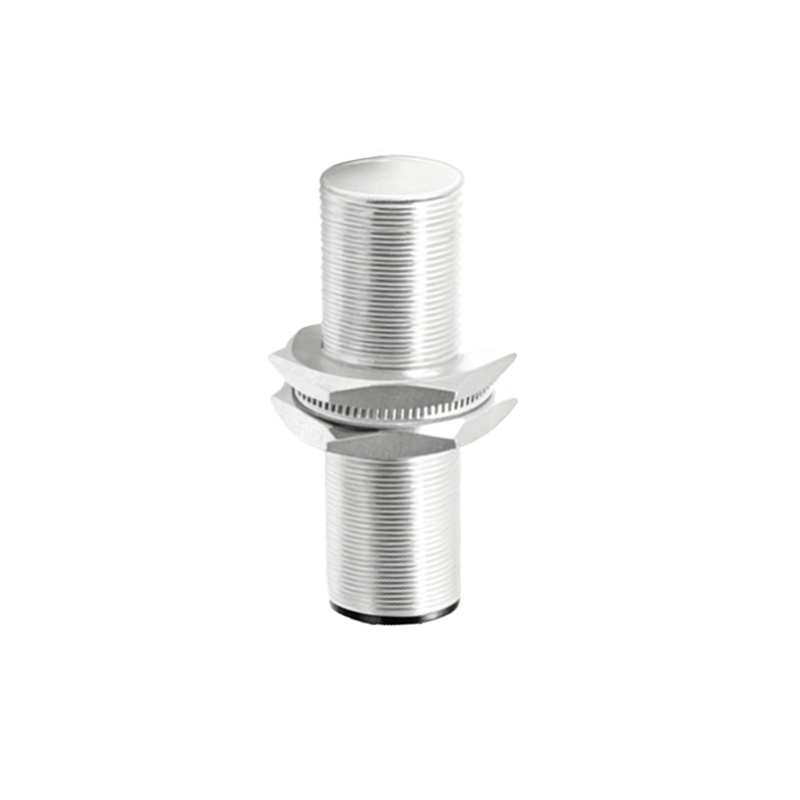
There are three primary sensing modes for these micro sensors: through-beam, retro-reflective, and diffuse reflective. Through-beam sensors consist of separate emitter and receiver units placed opposite each other. Detection occurs when an object breaks the light beam traveling from the emitter to the receiver. This mode offers the longest sensing range and highest accuracy. Retro-reflective sensors house both emitter and receiver in a single housing, using a reflector to bounce the light beam back. An object is detected when it blocks this reflected beam. Diffuse reflective sensors, also with a combined emitter and receiver, detect light reflected directly off the target object itself. This mode is most common for general proximity detection, though its range is shorter and can be influenced by the object's color and surface texture.
The "micro" designation highlights their miniaturized design, often with housings measuring just a few millimeters. This small size allows for installation in space-constrained applications where traditional sensors cannot fit. Despite their tiny stature, modern micro photoelectric sensors are engineered to be robust, with many featuring IP67 or higher ingress protection ratings, making them resistant to dust and water jets. They are designed to withstand industrial environments with factors like vibration, electrical noise, and ambient light interference. Advanced models incorporate background suppression technology or use modulated light signals to ignore extraneous light sources and ensure stable detection.
The applications for micro photoelectric proximity sensors are vast and growing. In consumer electronics, they are used for screen blanking in smartphones and tablets when held to the ear. Within automated manufacturing and packaging lines, they count products, detect missing components, verify lid placement, and control robotic arms. In the automotive sector, they assist in assembly precision and safety systems. They are also integral to medical devices for fluid level detection, printer paper jam prevention, and vending machine item verification. Their non-contact nature makes them ideal for handling delicate items or operating in sterile environments.
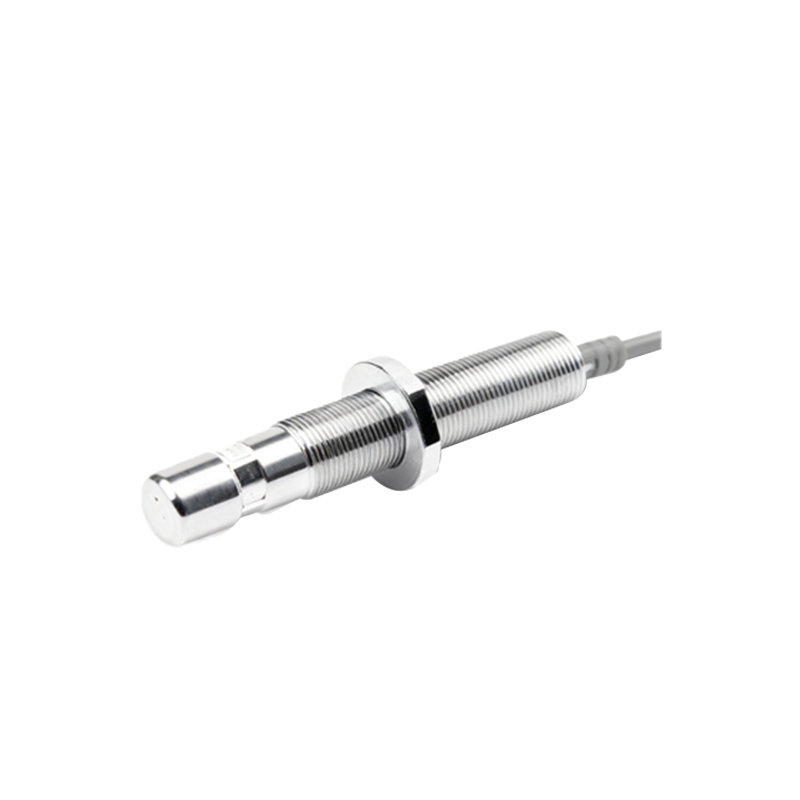
Selecting the right micro photoelectric sensor requires careful consideration of several parameters. The sensing distance, or range, must be appropriate for the application. Response time is critical for high-speed production lines. The size and form factor must fit the mechanical design. The type of output required—such as NPN, PNP, analog, or a digital IO-Link signal for Industry 4.0 connectivity—must match the control system. Environmental conditions like temperature, potential contaminants, and the color/reflectivity of the target object are also decisive factors. Consulting with sensor specialists or manufacturers is often recommended to navigate these choices effectively.
Looking ahead, the evolution of micro photoelectric sensors is aligned with trends in miniaturization, intelligence, and connectivity. Integration with microprocessors and smart algorithms enables features like teach-in programming, condition monitoring, and predictive maintenance data output. As the Internet of Things (IoT) and Industry 4.0 advance, these sensors will increasingly serve as vital data points within connected systems, providing real-time information that drives efficiency and automation to new levels. Their combination of small size, high performance, and adaptability ensures that micro photoelectric proximity sensors will remain a foundational technology for enabling precise, contactless detection across countless industries.