Introduction to High-Tech Proximity Sensors
In the rapidly evolving landscape of industrial automation and smart technology, high-tech proximity sensors stand as critical components, enabling machines to perceive and interact with their environment without physical contact. These sophisticated devices detect the presence, absence, or position of an object within a defined sensing range. Unlike their mechanical predecessors, modern proximity sensors operate on various principles, including inductive, capacitive, ultrasonic, and photoelectric technologies. Their primary function is to provide reliable, non-contact detection, which is essential for enhancing efficiency, ensuring safety, and enabling precision in countless applications. From automotive assembly lines to consumer electronics and advanced robotics, the integration of these sensors has become a cornerstone of innovation, driving productivity and enabling the development of increasingly intelligent systems.
Core Technologies and Operating Principles
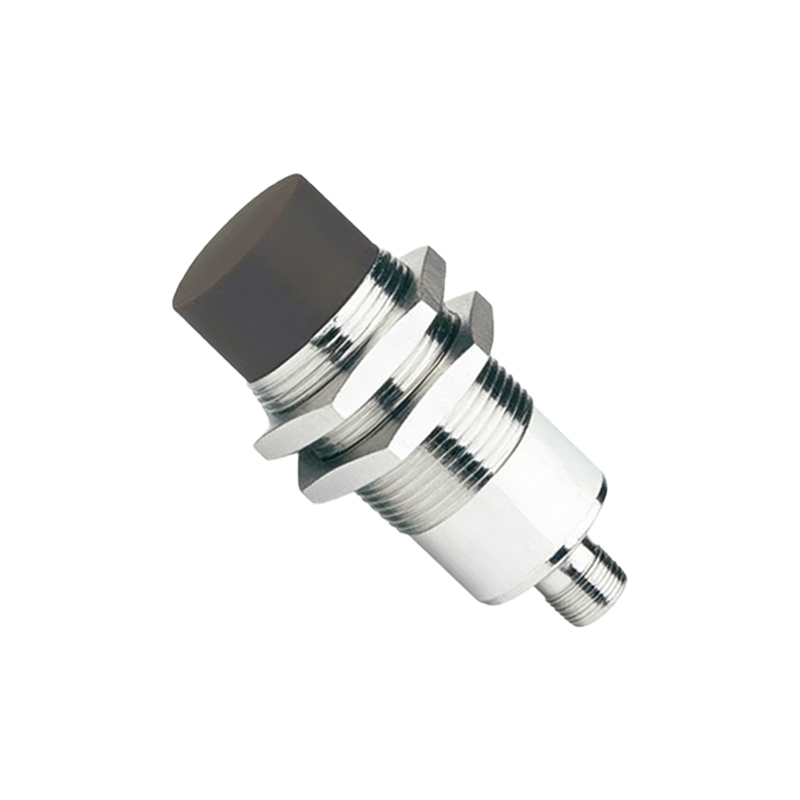
The performance and application suitability of a proximity sensor are dictated by its underlying technology. Inductive sensors are the workhorses of metal detection in industrial settings. They generate an electromagnetic field and detect eddy current losses induced in a metallic target. Renowned for their robustness and insensitivity to non-metallic contaminants like dust or oil, they are ideal for harsh manufacturing environments. Capacitive sensors, on the other hand, can detect both metallic and non-metallic materials, including liquids, powders, and plastics. They function by measuring changes in capacitance caused by the presence of any material that alters the electrical field between the sensor's electrodes. Ultrasonic sensors utilize sound waves beyond human hearing. They calculate distance by measuring the time-of-flight of an emitted sound pulse reflected by a target. This technology excels in applications requiring precise distance measurement or detection of objects with complex shapes or varying surface properties. Finally, photoelectric sensors employ a light emitter and receiver to detect objects. They come in through-beam, retro-reflective, and diffuse reflective models, offering long sensing ranges and high speed, making them perfect for packaging, material handling, and object counting.
Key Advantages and Performance Metrics
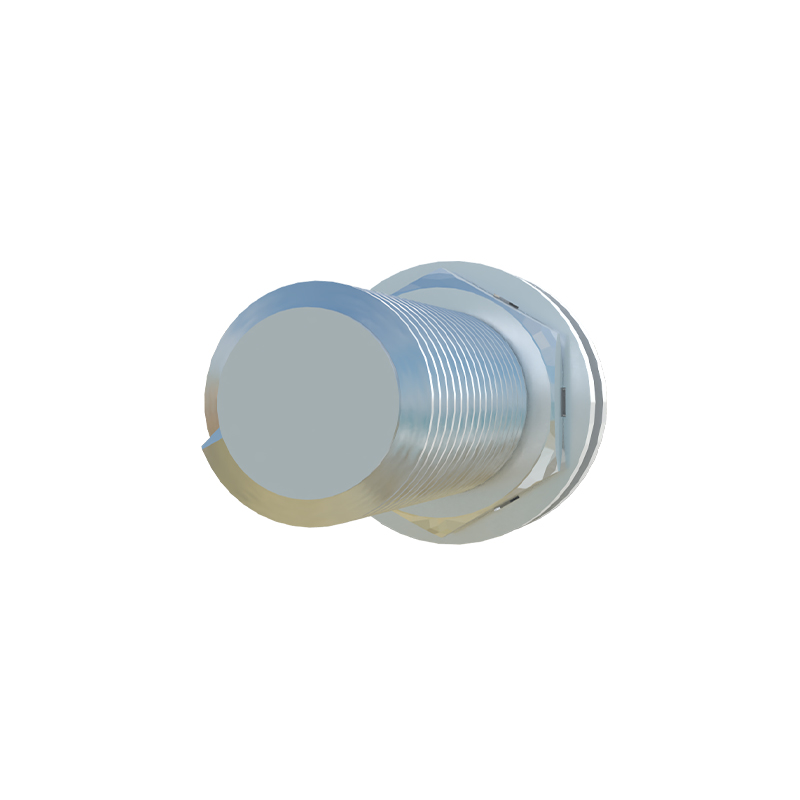
The adoption of high-tech proximity sensors is propelled by a suite of compelling advantages. Foremost is their non-contact nature, which eliminates mechanical wear and tear, significantly extending operational lifespan and reducing maintenance costs. They offer exceptionally high switching speeds, capable of detecting objects at frequencies far beyond the capability of mechanical limit switches, thus supporting high-speed automation processes. Modern sensors provide remarkable accuracy and repeatability, ensuring consistent performance in precision-critical tasks like robotic positioning or part verification. Their solid-state design grants them superior resistance to vibration, shock, and environmental factors such as moisture, chemicals, and extreme temperatures. Furthermore, advancements in miniaturization have led to compact sensor designs that can be integrated into space-constrained applications, from miniature electronic devices to intricate medical equipment. Key performance metrics to evaluate include sensing range, repeat accuracy, response time, temperature rating, and ingress protection (IP) rating for durability.
Industrial Applications and Use Cases
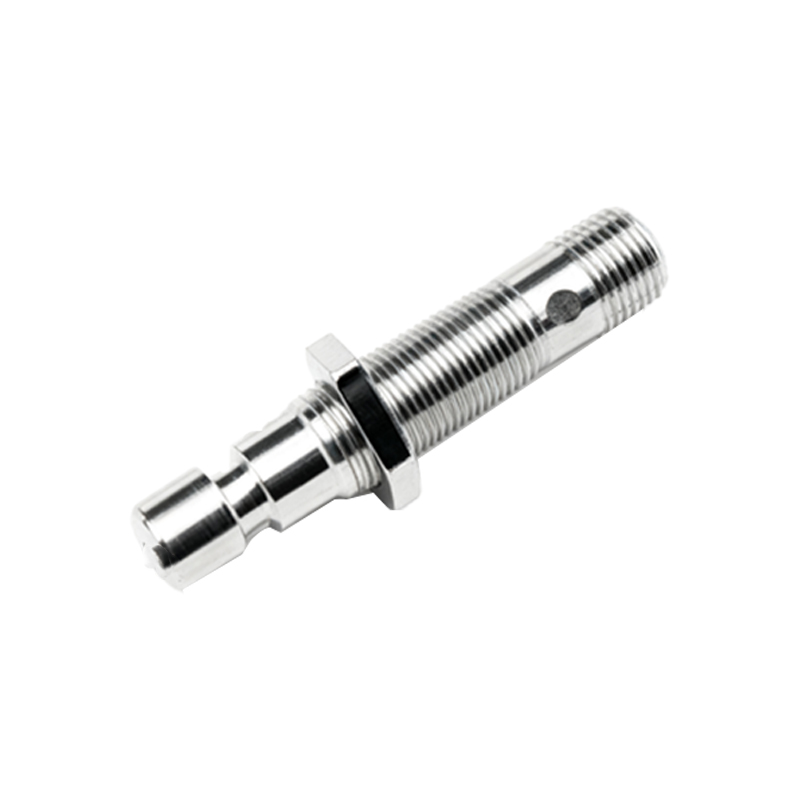
The utility of proximity sensors spans virtually every sector of modern industry. In automotive manufacturing, they are ubiquitous for tasks like part presence verification on conveyor belts, robotic arm end-effector positioning, and detecting the position of cylinders and valves. The packaging industry relies heavily on photoelectric and capacitive sensors for counting bottles, detecting fill levels, and ensuring proper label placement. In material handling and logistics, sensors guide automated guided vehicles (AGVs), control conveyor systems, and manage warehouse inventory by detecting pallets and packages. Machine tools use inductive sensors for tool wear monitoring, spindle positioning, and workpiece detection to prevent collisions. Beyond traditional industry, they are vital in consumer electronics for features like automatic screen dimming in smartphones and touchless interfaces in home appliances, as well as in aerospace for landing gear position sensing and in healthcare for sensitive equipment and diagnostic devices.
Integration with IoT and Industry 4.0
The true transformative power of modern proximity sensors is unlocked through their integration with the Internet of Things (IoT) and Industry 4.0 frameworks. Today's smart sensors are equipped with embedded microprocessors and communication interfaces such as IO-Link, PROFINET, or EtherNet/IP. This intelligence allows them to transmit not just a simple on/off signal, but rich diagnostic data like operating temperature, signal strength, and remaining service life. This data enables predictive maintenance, where potential failures can be anticipated and addressed before causing downtime. In a connected factory, sensor data feeds into centralized control systems and cloud platforms, facilitating real-time process optimization, remote monitoring, and data-driven decision-making. This connectivity turns simple detection points into intelligent nodes within a larger cyber-physical system, enhancing overall equipment effectiveness (OEE) and enabling flexible, reconfigurable production lines.
Selection Criteria and Future Trends
Selecting the appropriate proximity sensor requires careful analysis of the