Enhanced Precision and Reliability
U-shaped photoelectric sensors, also known as through-beam sensors, offer exceptional precision in detecting objects across various industrial environments. Their design consists of a separate emitter and receiver aligned within a U-shaped housing, creating a consistent light beam. When an object interrupts this beam, the sensor triggers an immediate response. This configuration minimizes false readings caused by environmental factors like dust, ambient light, or vibrations, ensuring reliable operation in demanding settings such as assembly lines, packaging machinery, and material handling systems. The inherent accuracy of these sensors reduces downtime and maintenance costs, contributing to smoother production workflows.
Simplified Installation and Alignment
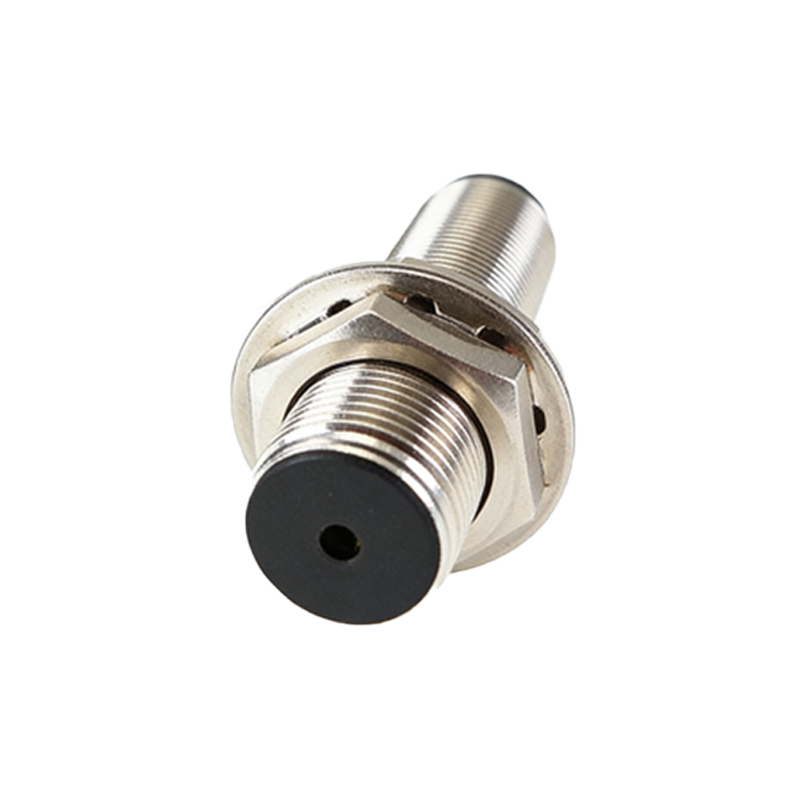
One of the standout advantages of U-shaped photoelectric sensors is their ease of installation. Unlike other sensor types that require precise mounting and calibration, the integrated U-shaped frame ensures the emitter and receiver are pre-aligned. This eliminates the need for time-consuming adjustments during setup, allowing for quick deployment in fast-paced industrial applications. Engineers and technicians can install these sensors with minimal effort, reducing labor costs and accelerating system integration. Additionally, the robust housing protects internal components from misalignment due to mechanical shocks or thermal expansion, maintaining long-term performance stability.
Versatility Across Diverse Applications
U-shaped photoelectric sensors are highly versatile, capable of detecting a wide range of materials, including transparent, opaque, and reflective objects. This flexibility makes them suitable for industries such as automotive manufacturing, food processing, pharmaceuticals, and logistics. For instance, in conveyor systems, they can accurately count products, monitor positioning, or detect jams. In automated machinery, they enable precise control of robotic arms or actuators by sensing object presence or absence. Their ability to operate in harsh conditions—resisting moisture, chemicals, and temperature extremes—further expands their utility in outdoor or unclean environments.
Energy Efficiency and Low Power Consumption
Modern U-shaped photoelectric sensors are designed with energy efficiency in mind. They often incorporate LED-based emitters that consume minimal power while providing high-intensity light beams. This low power consumption not only reduces operational costs but also extends the lifespan of the sensors, making them a sustainable choice for continuous industrial use. Many models feature power-saving modes or adjustable sensitivity settings, allowing customization based on application needs. By optimizing energy usage, these sensors support greener manufacturing practices and comply with industry standards for environmental responsibility.
Enhanced Safety and Risk Mitigation
Safety is a critical concern in industrial settings, and U-shaped photoelectric sensors contribute significantly to risk reduction. Their non-contact detection method eliminates physical wear and tear, preventing failures that could lead to accidents. In safety-critical applications, such as machine guarding or access control, these sensors can detect intrusions or obstructions in real-time, triggering emergency stops or alarms to protect personnel and equipment. The reliable performance of U-shaped sensors ensures compliance with safety regulations, fostering a secure working environment and minimizing liability risks for businesses.
Cost-Effectiveness and Long-Term Value
Investing in U-shaped photoelectric sensors offers substantial long-term value due to their durability and low maintenance requirements. The enclosed design shields components from contaminants, reducing the frequency of cleaning or replacements. Their high reliability translates to fewer production interruptions, enhancing overall equipment effectiveness (OEE). Moreover, the scalability of these sensors allows for easy integration into existing automation systems without major overhauls, saving on capital expenditures. By delivering consistent performance over extended periods, U-shaped photoelectric sensors prove to be a cost-effective solution for industries aiming to optimize operational efficiency and profitability.