Understanding Proximity Sensor Basics
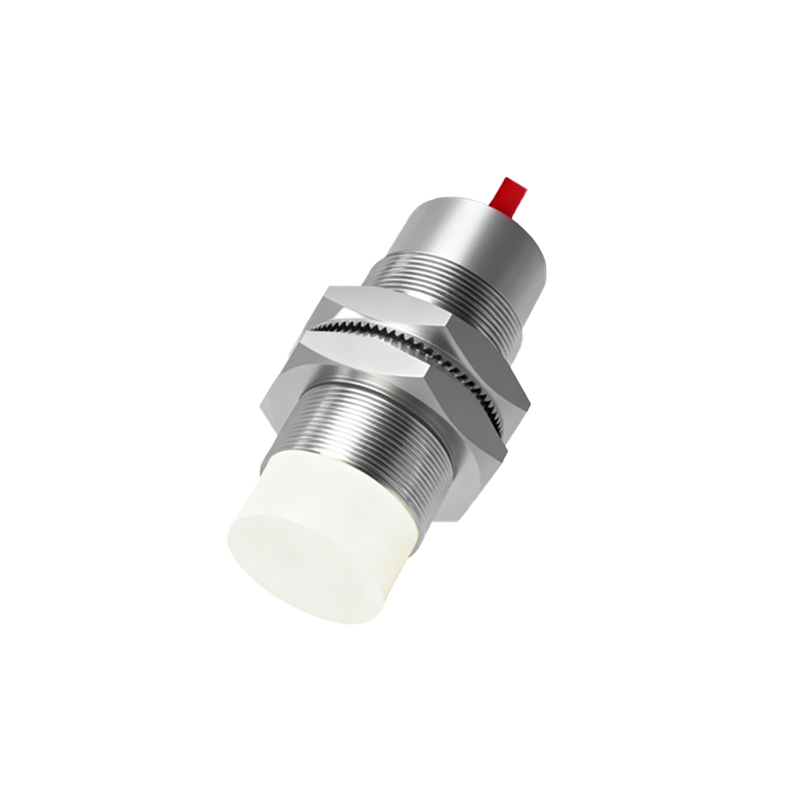
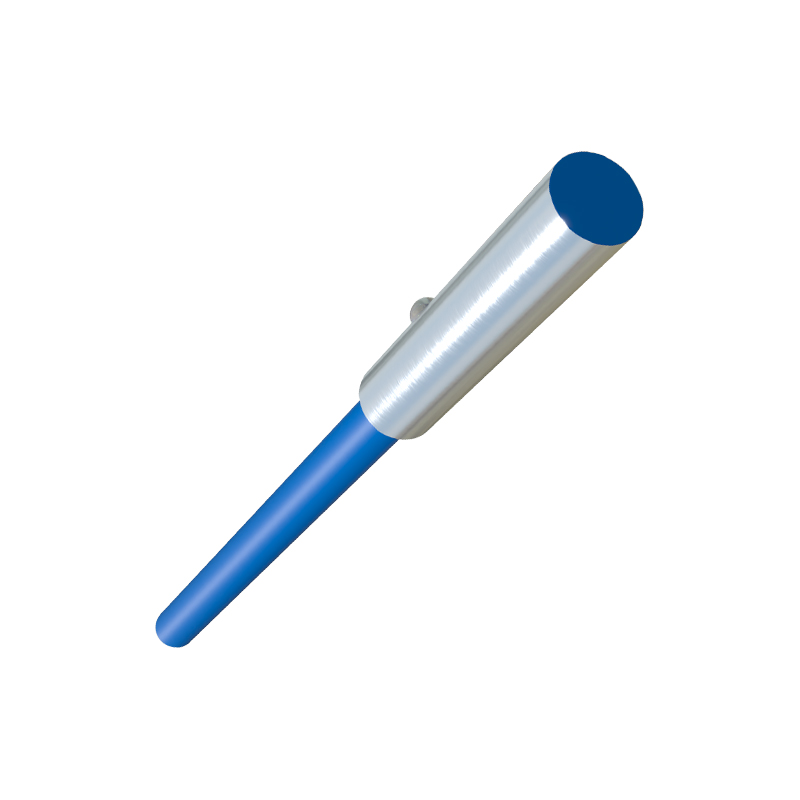
Proximity sensors are non-contact devices designed to detect the presence or absence of objects within a specified range. They operate on various principles, including inductive, capacitive, ultrasonic, and photoelectric technologies. Inductive sensors are ideal for detecting metallic objects, while capacitive sensors can handle both metallic and non-metallic materials. Ultrasonic sensors use sound waves for detection, making them suitable for challenging environments with dust or moisture. Photoelectric sensors rely on light beams and are versatile for diverse object types. Selecting the right sensor type is the first step in ensuring effective application, as each technology offers distinct advantages in terms of range, accuracy, and environmental resilience.
Installation and Mounting Guidelines
Proper installation is critical for optimal sensor performance. Begin by mounting the sensor securely using brackets or fixtures to minimize vibration and misalignment. Ensure the sensing face is oriented correctly toward the target object, maintaining the recommended operating distance specified in the datasheet. For inductive and capacitive sensors, avoid placing metal or other interfering materials near the sensing area, as this can cause false triggers. In the case of photoelectric sensors, keep the lens clean and free from obstructions to maintain signal integrity. Always follow manufacturer instructions for wiring, connecting power supplies, and grounding to prevent electrical noise or damage.
Calibration and Configuration Steps
After installation, calibration ensures the sensor responds accurately to target objects. Adjust the sensitivity settings based on the object's material, size, and distance. For example, capacitive sensors may require tuning to ignore background interference, while ultrasonic sensors might need adjustments for temperature variations. Use built-in indicators, such as LEDs or digital displays, to verify detection during setup. Many modern sensors offer programmable features via software or push-button interfaces, allowing customization of output modes (e.g., NO/NC contacts) and response times. Test the sensor with actual objects under operating conditions to confirm reliability before full deployment.
Integration with Control Systems
Proximity sensors are commonly integrated into programmable logic controllers (PLCs), robotics, or automation systems. Connect the sensor output (e.g., PNP/NPN transistors or analog signals) to the control unit using shielded cables to reduce electromagnetic interference. Configure the PLC input modules to match the sensor's signal type and voltage levels. In complex setups, use sensor networks or IO-Link communication for real-time data monitoring and diagnostics. Ensure compatibility between the sensor and system protocols to enable seamless operation, such as triggering actuators, counting objects, or monitoring safety zones in machinery.
Troubleshooting Common Issues
Even with proper setup, sensors may encounter problems like false triggers, reduced range, or no output. Start by checking power connections and voltage levels to rule out electrical faults. Inspect for physical damage, contamination, or misalignment that could affect performance. For inductive sensors, verify the target material is within specifications; non-metallic objects won't be detected. In photoelectric sensors, ambient light or reflective surfaces might cause interference—adjust alignment or use polarized filters if needed. Consult the sensor's diagnostic tools, such as error codes or signal strength indicators, to identify issues quickly. Regular maintenance, including cleaning and recalibration, helps prevent downtime.
Applications in Industrial Environments
Proximity sensors play a vital role in various industries, from manufacturing to automotive. In assembly lines, they detect part presence for robotic welding or packaging. In material handling, sensors monitor conveyor belt loads or position pallets. Safety applications include detecting personnel near hazardous machinery to initiate emergency stops. Automotive systems use sensors for gear position detection or brake pedal monitoring. By leveraging their non-contact nature, sensors enhance efficiency, reduce wear, and improve safety. Always consider environmental factors like temperature, humidity, and chemical exposure when selecting sensors for specific applications to ensure long-term durability.
Future Trends and Best Practices
Advancements in proximity sensor technology focus on miniaturization, smart features, and IoT connectivity. Emerging sensors offer higher precision, faster response times, and self-diagnostic capabilities for predictive maintenance. To maximize benefits, adopt best practices such as documenting installation layouts, training personnel on sensor operation, and keeping spare parts on hand. Stay updated with industry standards (e.g., IEC 60947) for compliance and safety. By understanding how to use proximity sensors effectively, engineers can optimize automation processes, reduce costs, and enhance system reliability in evolving industrial landscapes.