Introduction to Slot Type Photoelectric Sensors
Slot type photoelectric sensors, often referred to as through-beam sensors, are fundamental components in modern industrial automation. These devices consist of two separate units: an emitter and a receiver, positioned opposite each other across a precisely defined gap or "slot." The emitter projects a beam of light—typically infrared, red, or laser—towards the receiver. When an object passes through this slot, it interrupts the light beam, triggering a change in the sensor's output state. This simple yet highly effective principle forms the basis for countless detection, counting, positioning, and safety applications across diverse manufacturing and packaging lines.
The Critical Role of Guide Rail Modules
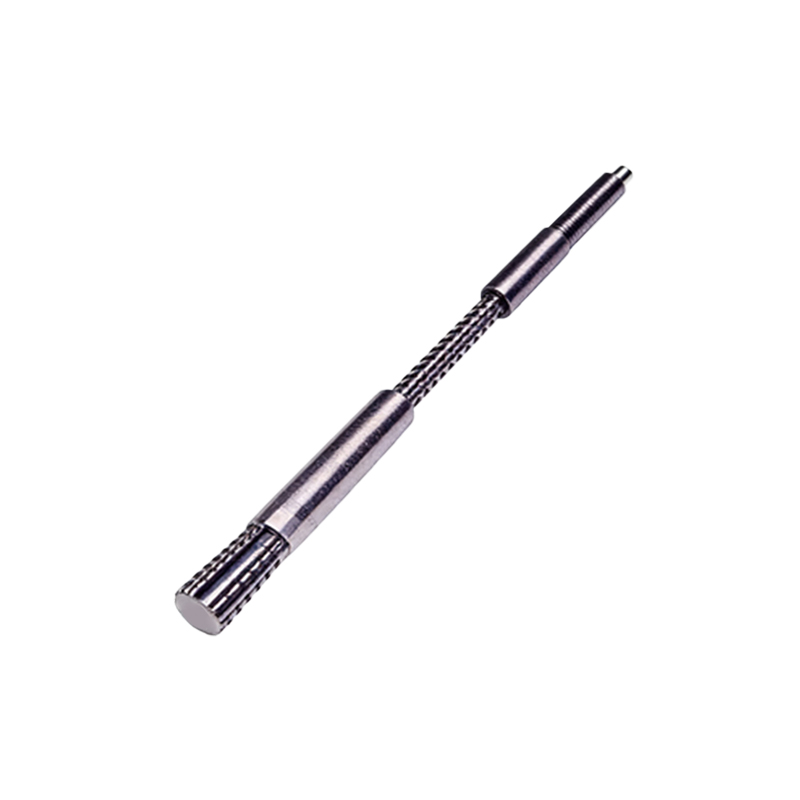
While the sensor itself is the core detection element, its performance is heavily dependent on precise and stable mounting. This is where guide rail modules become indispensable. A guide rail module is a mechanical assembly designed to rigidly and accurately hold the emitter and receiver units in perfect optical alignment. These modules are typically constructed from durable materials like anodized aluminum or stainless steel to withstand harsh industrial environments involving vibration, temperature fluctuations, and potential physical impact. The primary function of the guide rail is to eliminate the need for complex, custom mounting brackets, providing a standardized, repeatable, and reliable solution for installing slot sensors.
Key Design Features and Advantages
Modern slot sensor guide rail modules incorporate several design features that enhance their utility. First is precision machining, ensuring the rail's mounting surfaces and alignment guides are perfectly parallel, guaranteeing consistent beam alignment over long distances. Many modules feature integrated mounting slots or holes compatible with standard DIN rails or direct machine mounting, simplifying installation. Adjustability is another critical aspect; some designs include fine-threaded screws or micro-adjustment mechanisms to allow for minute alignment corrections after installation, crucial for maintaining optimal performance. Furthermore, modules often come with protective covers or shrouds that shield the sensor's optical faces from dust, debris, and ambient light interference, significantly improving signal integrity and reliability.
Applications in Automated Systems
The application spectrum for slot type photoelectric sensor guide rail modules is vast. In high-speed packaging machinery, they are used to detect the presence or absence of products on conveyor belts, trigger labeling mechanisms, or count items with extreme accuracy. Within automated assembly lines, these modules ensure components are correctly positioned before a robotic arm performs an operation, such as insertion or welding. They are also pivotal in material handling for detecting the edge of materials like paper, film, or metal sheets. The robustness of the guide rail module ensures that the sensitive alignment of the sensor pair is maintained despite the constant motion and vibration of the machinery, preventing false triggers and production downtime.
Selection Criteria for Optimal Performance
Selecting the right slot sensor and guide rail module requires careful consideration of several parameters. The slot width and depth must accommodate the size and profile of the objects to be detected. Sensing distance, which is the maximum reliable gap between emitter and receiver, must be chosen based on the application's physical constraints. The type of light source (e.g., standard infrared for general use, red light for visibility, or laser for high-precision, small object detection) impacts resolution and environmental immunity. The module's material should be selected for compatibility with the operating environment—stainless steel for washdown or corrosive areas. Finally, the sensor's output type (PNP/NPN, analog, or IO-Link) and supply voltage must match the control system's requirements.
Installation and Alignment Best Practices
Proper installation is paramount for achieving the promised performance and longevity. The guide rail module must be securely fastened to a stable, vibration-damped surface. During the alignment process, it is recommended to use the sensor's built-in alignment indicator (often an LED) to achieve the maximum signal strength. For long-range applications, a precise optical sight or alignment tool may be necessary. Once aligned, all locking screws on the module should be tightened to specification to prevent drift. Regular maintenance should include visual inspection of the optical windows for contamination and cleaning with appropriate materials to ensure unimpeded light transmission. Periodically verifying the alignment and signal strength as part of a preventive maintenance schedule can prevent unexpected failures.
Future Trends and Integration
The evolution of slot type photoelectric sensors and their mounting solutions continues alongside Industry 4.0 trends. Modern sensors increasingly feature advanced diagnostics and communication capabilities via IO-Link, providing data on signal strength, operating hours, and contamination levels directly to the control system, enabling predictive maintenance. Guide rail modules are also evolving, with designs incorporating quick-disconnect features for easier sensor replacement and modular systems that allow for the integration of multiple sensors or additional functional units like air blow nozzles for self-cleaning into a single, compact rail. This trend towards smarter, more integrated, and easier-to-maintain solutions ensures that slot sensor guide rail modules will remain a cornerstone of precise and reliable object detection in the automated factories of the future.