Understanding Explosion-Proof Proximity Sensors
Explosion-proof proximity sensors are critical components designed to operate safely in hazardous environments where flammable gases, vapors, or dust may be present. These sensors detect the presence or absence of objects without physical contact, utilizing technologies such as inductive, capacitive, or ultrasonic principles. The "explosion-proof" designation means the housing is constructed to contain any internal explosion, preventing it from igniting the surrounding atmosphere. Industries like oil and gas, chemical processing, mining, and grain handling rely heavily on these devices to ensure operational safety and compliance with stringent regulations such as ATEX, IECEx, or NEC standards. The cost of these sensors is influenced by their robust design, certification requirements, and the technology embedded within, making them a specialized investment compared to standard industrial sensors.
Key Factors Influencing the Price
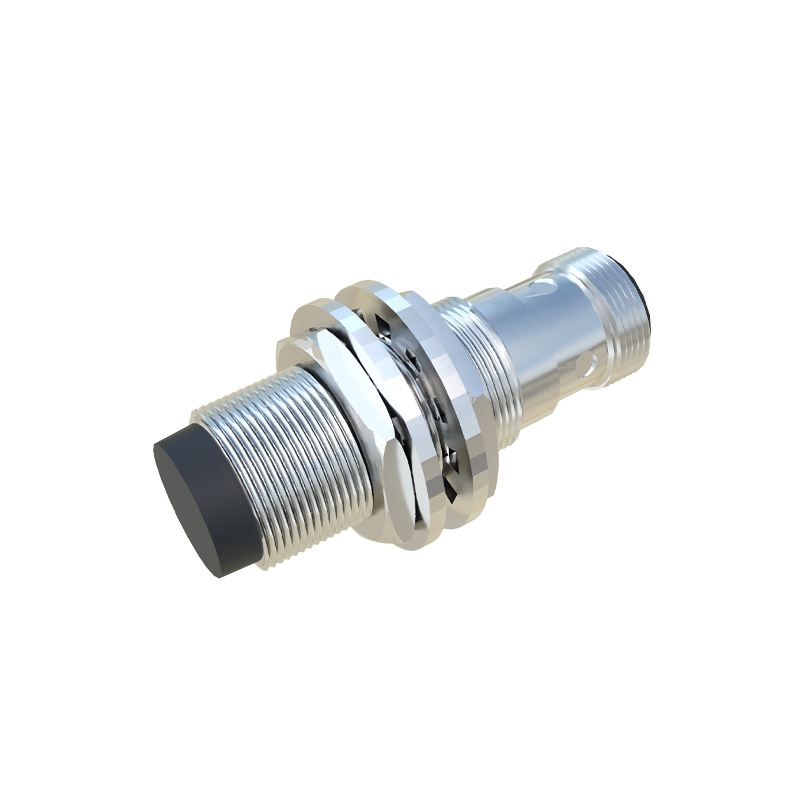
The price of an explosion-proof proximity sensor varies widely based on several factors. First, the sensing technology plays a significant role: inductive sensors, commonly used for metal detection, tend to be more affordable, ranging from $100 to $500, while capacitive or ultrasonic sensors for non-metallic materials can cost between $200 and $800. Second, certification and ratings are major cost drivers; sensors certified for Class I, Division 1 (hazardous gases) or Class II, Division 1 (combustible dust) environments, under standards like ATEX or IECEx, often command higher prices due to rigorous testing and materials. Third, build quality and materials—such as stainless steel or brass housings—add to durability and cost. Additional features like extended sensing ranges, temperature resistance, or output options (e.g., PNP/NPN or analog) also impact the final price.
Typical Price Ranges in the Market
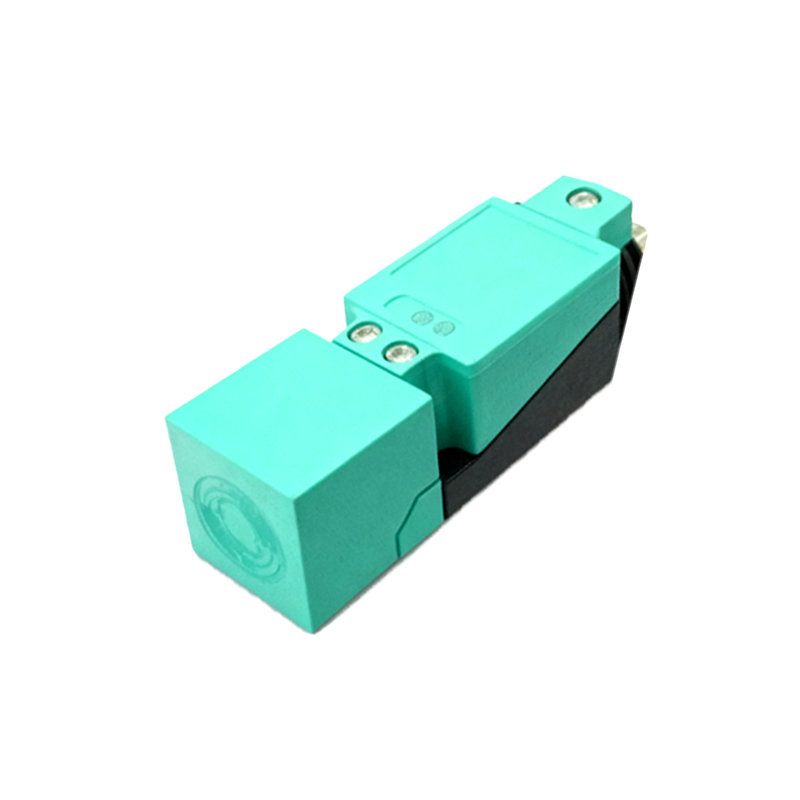
In the current market, explosion-proof proximity sensors generally fall into three price tiers. Entry-level models, suitable for less severe hazardous areas or with basic certifications, can cost between $80 and $300. These are often used in applications like packaging or light industrial settings where risk is moderate. Mid-range sensors, offering enhanced durability, wider temperature ranges, and common certifications like ATEX Zone 1, typically range from $300 to $700. High-end models, designed for extreme conditions—such as offshore drilling or chemical plants—with advanced features like intrinsic safety or high IP ratings, can exceed $700, reaching up to $1,500 or more per unit. Bulk purchases or OEM contracts may reduce these costs by 10-20%, but customization or rapid delivery can add premiums.
Cost Comparison with Standard Sensors
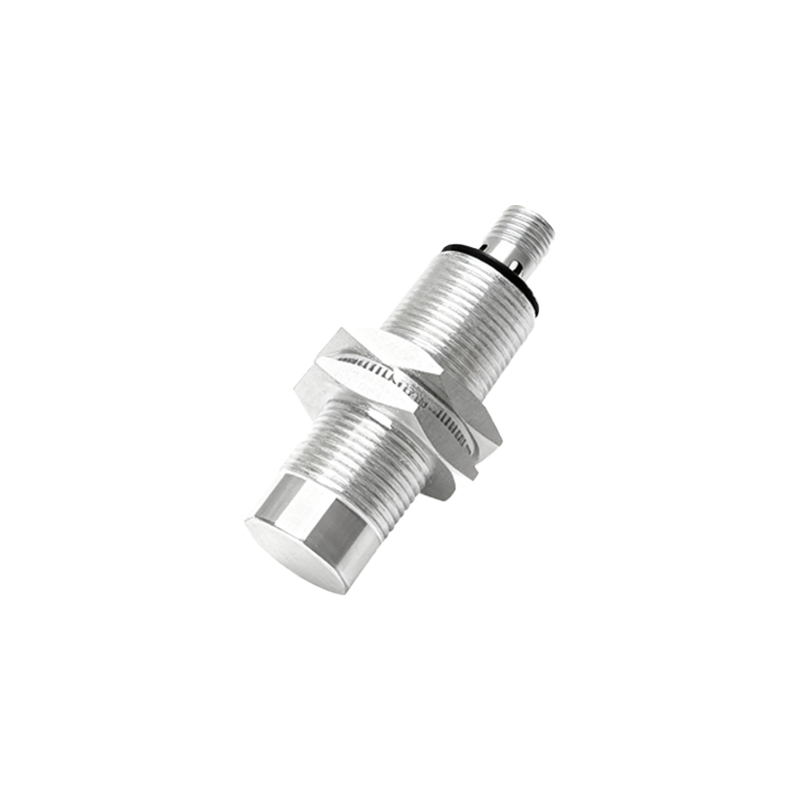
When comparing explosion-proof proximity sensors to standard industrial sensors, the price difference is substantial. A standard inductive proximity sensor might cost as little as $20 to $100, whereas its explosion-proof counterpart starts at around $80 and goes much higher. This disparity stems from the additional engineering required to meet safety standards: explosion-proof sensors need thicker housings, specialized seals, and certified components to prevent ignition. While the upfront cost is higher, the investment is justified by reduced risk of catastrophic accidents, lower insurance premiums, and compliance with legal mandates. In hazardous environments, using a standard sensor could lead to fines, shutdowns, or worse, making the explosion-proof variant a cost-effective choice in the long run.
Additional Expenses to Consider
Beyond the base price of the sensor itself, several ancillary costs can affect the total expenditure. Installation expenses, including labor and mounting hardware, may add $50 to $200 per sensor, depending on complexity. Maintenance and calibration are ongoing costs; while these sensors are built for longevity, periodic checks ensure reliability, potentially costing $100 annually per unit. Replacement parts, such as cables or connectors rated for hazardous areas, also contribute to the budget. Furthermore, companies must factor in training for personnel to handle these devices safely, which might involve certification courses. Ignoring these hidden costs can lead to budget overruns, so a comprehensive assessment is essential for accurate financial planning.
Tips for Cost-Effective Purchasing
To optimize spending on explosion-proof proximity sensors, consider these practical strategies. First, accurately assess the hazard level of your application; over-specifying with higher-rated sensors than necessary can inflate costs. Second, source from reputable manufacturers that offer warranties and technical support, as this reduces long-term maintenance issues. Third, explore bulk buying or long-term supplier agreements to secure discounts. Fourth, evaluate total cost of ownership, including energy efficiency and lifespan, rather than just the initial price. Finally, stay updated on industry standards and technological advancements, as newer models may offer better value. Consulting with an engineering expert can also help tailor