Introduction to Modern Proximity Sensing Technology
In recent years, proximity sensors have undergone a significant transformation, driven by advancements in materials science, digital signal processing, and connectivity. These new-generation sensors are no longer just simple on/off switches; they have evolved into intelligent devices capable of precise detection, data analysis, and seamless integration with industrial networks. Unlike traditional inductive or capacitive sensors, modern variants incorporate technologies such as time-of-flight (ToF), ultrasonic waves, and even AI-enhanced algorithms to improve accuracy and reliability. This shift is particularly crucial in industries like automotive manufacturing, packaging, and robotics, where precision and speed are paramount. The ability to detect objects without physical contact reduces wear and tear, minimizes maintenance costs, and enhances overall system efficiency. As factories move toward Industry 4.0, these sensors serve as critical data points in smart ecosystems, enabling real-time monitoring and predictive maintenance.
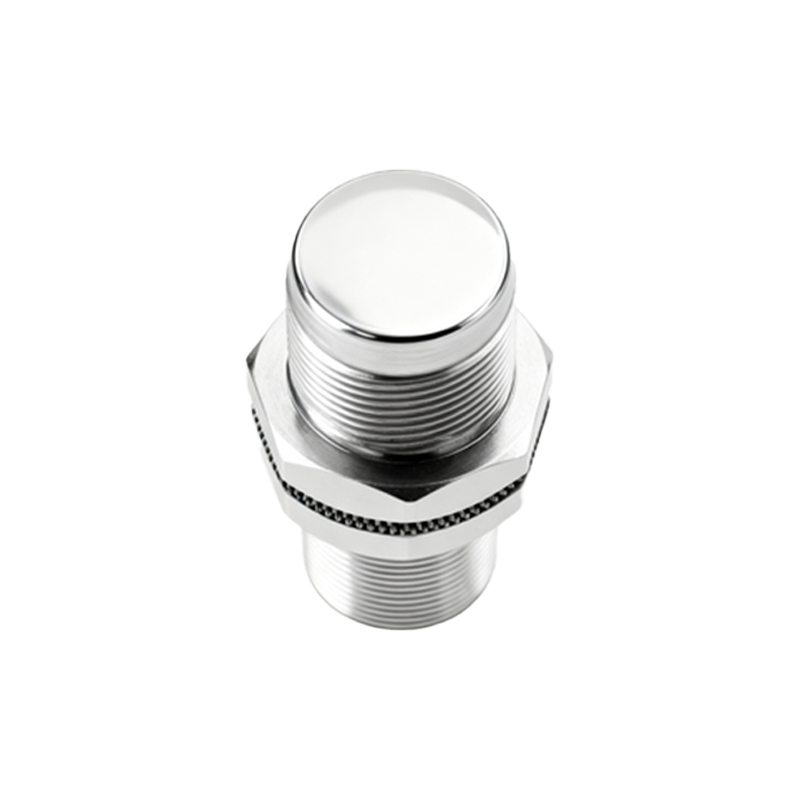
Key Features and Performance Enhancements
New proximity sensors boast several standout features that set them apart from earlier models. First, their sensing ranges have expanded dramatically—some models can detect objects up to several meters away with millimeter-level accuracy. This is achieved through advanced optics and signal processing techniques that filter out environmental noise, such as dust, humidity, or electromagnetic interference. Second, many sensors now offer multi-object detection, allowing them to distinguish between multiple items in a single field of view. This capability is invaluable in complex assembly lines where components move rapidly. Additionally, energy efficiency has improved, with low-power designs that extend battery life in wireless applications. Integrated diagnostics, such as self-monitoring for contamination or misalignment, further reduce downtime by alerting operators to potential issues before they cause failures. These enhancements collectively contribute to higher throughput and reduced operational costs.
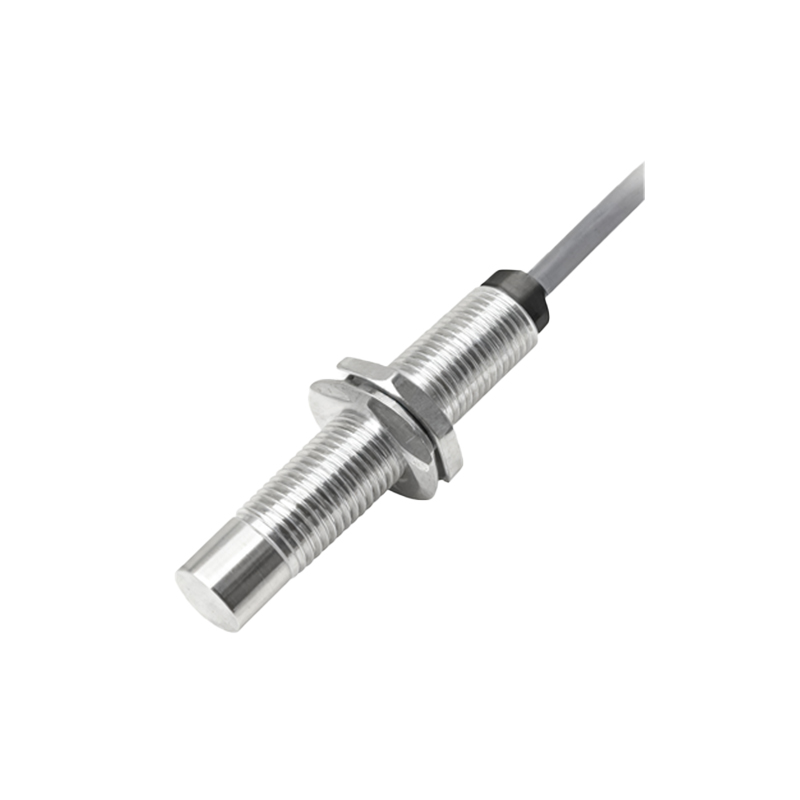
Integration with IoT and Industry 4.0
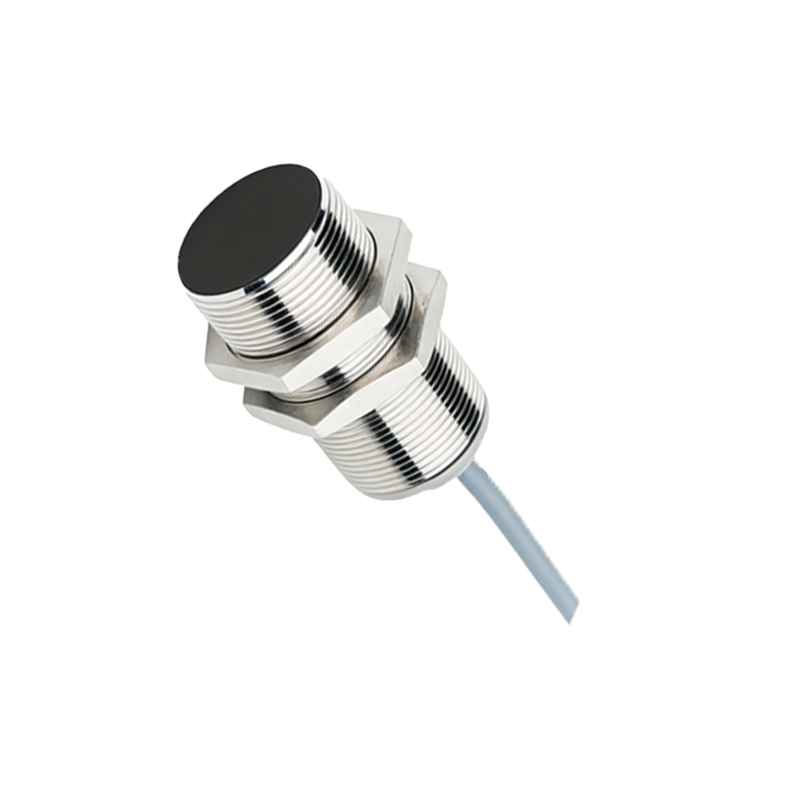
One of the most transformative aspects of new proximity sensors is their seamless integration into the Internet of Things (IoT) and Industry 4.0 frameworks. Equipped with built-in communication protocols like IO-Link, Ethernet/IP, or PROFINET, these sensors can transmit rich data beyond simple detection signals. For instance, they might provide information on object distance, speed, or even material composition, feeding into centralized control systems for analytics. This data-driven approach enables predictive maintenance, where sensors predict failures based on trends rather than reacting to them after occurrence. In smart factories, proximity sensors work in tandem with robots, conveyors, and other automated equipment to create adaptive production lines that adjust in real-time to changes in demand or material flow. The result is a more resilient and agile manufacturing environment, where downtime is minimized and resource utilization is optimized.
Applications Across Diverse Industries
The versatility of new proximity sensors has led to their adoption across a wide range of sectors. In automotive manufacturing, they ensure precise positioning of parts during assembly, reducing errors and improving safety. In logistics and warehousing, sensors guide autonomous vehicles and manage inventory by detecting pallets or packages on shelves. The food and beverage industry benefits from hygienic designs that resist harsh cleaning chemicals, maintaining compliance with sanitation standards. Even in agriculture, proximity sensors monitor equipment proximity to crops, preventing damage during harvesting. Each application leverages specific sensor attributes—such as high-temperature resistance for metalworking or waterproofing for outdoor use—demonstrating how tailored designs meet unique industrial challenges. As technology continues to evolve, we can expect even broader adoption in emerging fields like renewable energy and medical device production.
Challenges and Future Outlook
Despite their advantages, new proximity sensors face challenges that must be addressed for wider adoption. Cost remains a barrier for some small to medium-sized enterprises, as advanced sensors often come with a higher price tag than traditional options. Additionally, the complexity of integration requires skilled personnel for installation and calibration, which can strain resources. Cybersecurity is another concern, as connected sensors increase vulnerability to network attacks if not properly secured. Looking ahead, ongoing research aims to overcome these hurdles through miniaturization, cost reduction, and enhanced security protocols. Future trends may include the use of machine learning for adaptive sensing, where sensors learn from environmental patterns to improve accuracy autonomously. As industries continue to prioritize automation and data analytics, proximity sensors will undoubtedly play a pivotal role in shaping the next generation of smart industrial systems.