Introduction to Photoelectric Sensing Technology
Photoelectric sensors are indispensable components in modern industrial automation, serving as the eyes of a manufacturing line. These devices operate on a simple yet profound principle: they emit a beam of light, typically from an LED or laser source, and detect changes in the received light to determine the presence or absence of an object. Unlike mechanical limit switches, they offer non-contact detection, which eliminates wear and tear and allows for high-speed operation. The core components include an emitter, a receiver, and a control circuit. When an object interrupts or reflects the light beam, the receiver detects this change, and the sensor's output switches state, sending a signal to a programmable logic controller (PLC) or other control system. This fundamental capability makes them ideal for a vast array of applications, from counting bottles on a conveyor to ensuring a workpiece is correctly positioned before a machining operation.
Key Operating Modes: Through-Beam, Retroreflective, and Diffuse
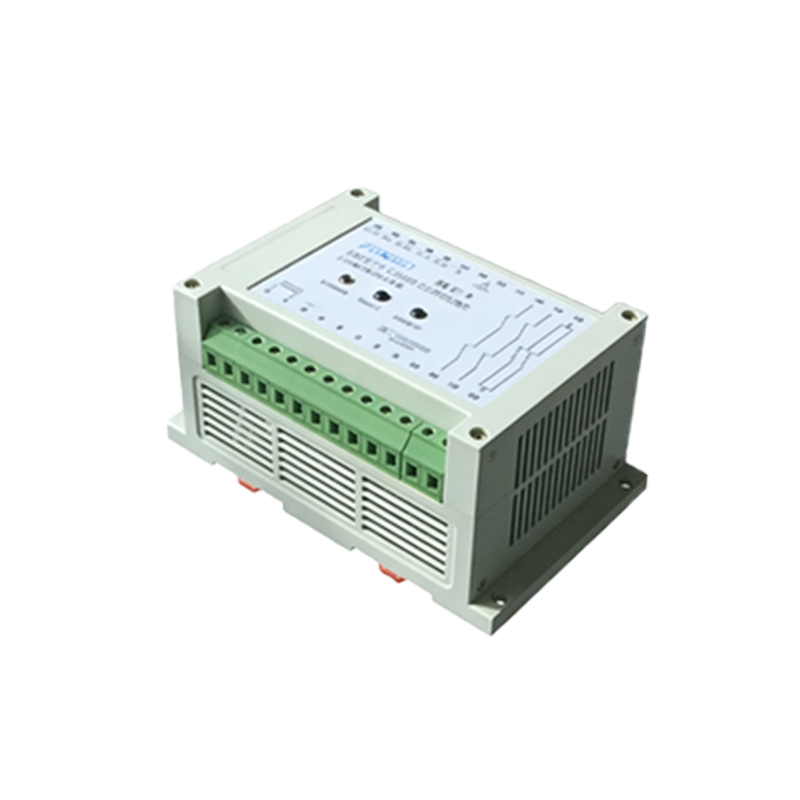
Understanding the different operating modes is crucial for selecting the right sensor for a material detection task. The through-beam sensor, also known as the opposed mode, consists of separate emitter and receiver units placed opposite each other. Detection occurs when an object breaks the light beam between them. This mode offers the longest sensing range and highest reliability, as it is largely immune to the object's color, surface finish, or angle. It is perfect for detecting small or transparent objects. The retroreflective mode uses a single housing containing both emitter and receiver. It relies on a reflector, typically a corner-cube prism, to bounce the light beam back. An object is detected when it interrupts this return path. While offering a good sensing distance, it can be fooled by shiny objects that might reflect light directly. Finally, the diffuse or proximity mode has the emitter and receiver in one unit, detecting light reflected directly off the target object. This self-contained design simplifies installation but has a shorter range and its performance is highly dependent on the object's color, texture, and reflectivity.
Critical Selection Criteria for Material Detection
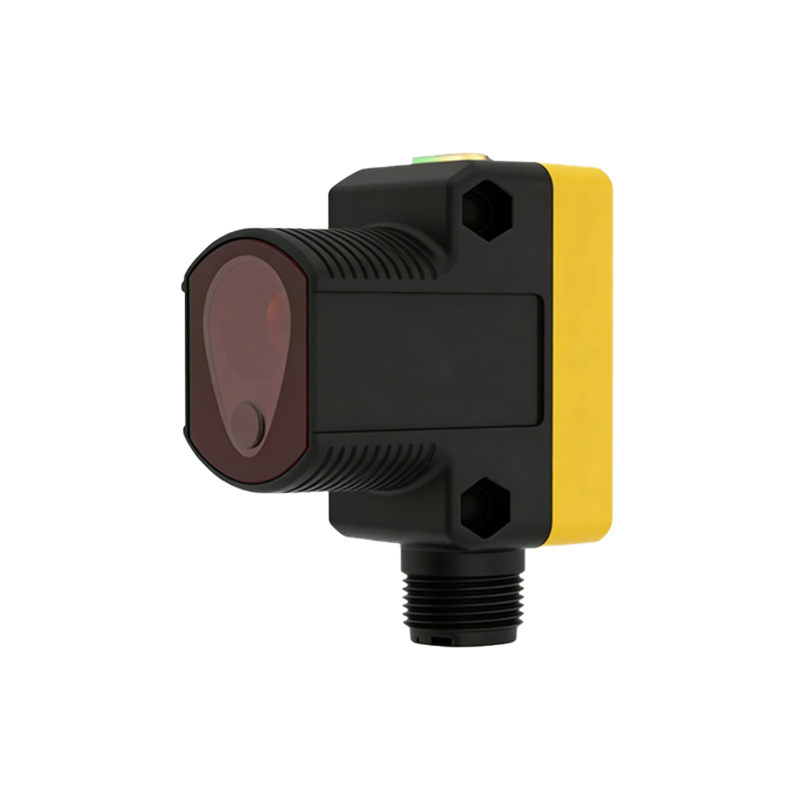
Choosing the correct photoelectric sensor requires careful analysis of the application parameters. The type of material is paramount. Detecting a clear glass bottle differs vastly from detecting a matte black rubber belt. For transparent or highly reflective materials, a through-beam sensor with precise alignment is often the only reliable choice. Sensing range is another vital factor; one must consider both the nominal range and a safety margin for consistent operation. The required response time, or switching frequency, must match the speed of the production line. Environmental conditions cannot be overlooked. Factors such as ambient light (sunlight or strobe lights), dust, fog, steam, or temperature extremes can severely impact performance. For harsh environments, sensors with high ingress protection (IP) ratings, robust housings, and specialized lenses or filters are necessary. Finally, the output type (PNP/NPN, analog, IO-Link) and electrical connection must be compatible with the existing control system infrastructure.
Overcoming Common Application Challenges
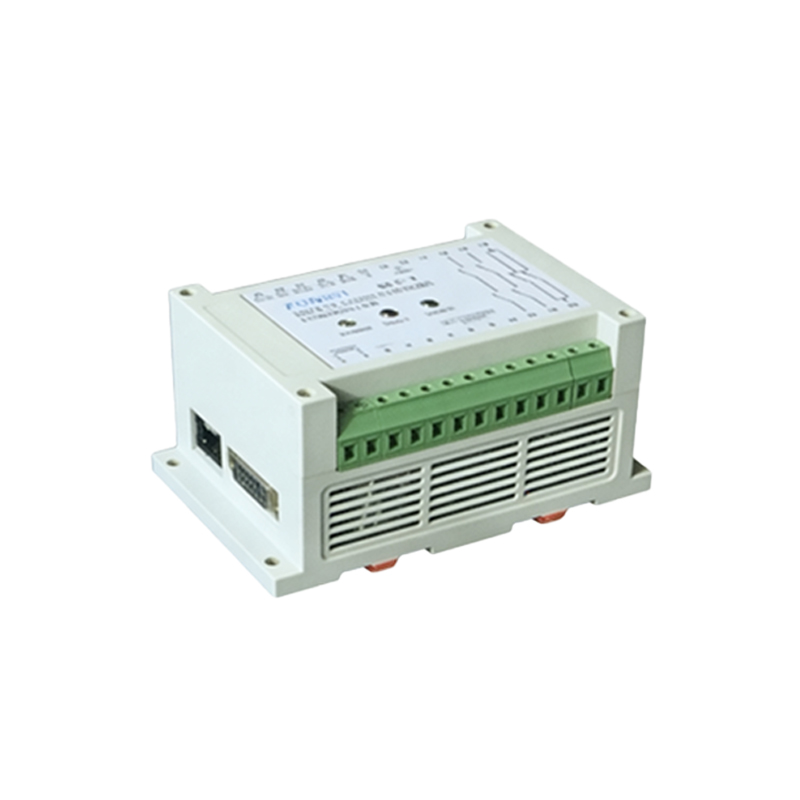
Even with proper selection, real-world applications present challenges that engineers must solve. Background suppression is a common issue in diffuse mode sensing, where the sensor must distinguish between the target and a more distant background. Background suppression sensors use triangulation or time-of-flight principles to measure distance, effectively ignoring objects beyond a set point. Detecting transparent films or objects requires sensors with a polarized lens in retroreflective mode or a high-precision through-beam system to avoid false triggers from the clear material. In high-speed counting or registration applications, the sensor's response time and the beam's spot size become critical; a focused laser beam is often employed. For applications involving varying target colors, sensors with teach-in functionality or true color detection capabilities provide a stable solution by allowing the sensor to learn the acceptable reflectance range.
Advanced Features and Integration with Industry 4.0
The evolution of photoelectric sensors aligns with the trends of Industry 4.0 and smart manufacturing. Modern sensors are no longer simple binary switches. Many now feature IO-Link communication, a point-to-point serial protocol that transforms the sensor into an intelligent device. Through IO-Link, users can remotely adjust parameters like sensitivity or switching hysteresis, monitor device health and operating hours, and receive detailed diagnostic data, enabling predictive maintenance. Some advanced models incorporate multi-object detection or pattern recognition, moving beyond simple presence/absence to more complex inspection tasks. The integration of these smart sensors into a networked factory ecosystem allows for greater flexibility, traceability, and overall equipment effectiveness (OEE). Data from sensors can be aggregated to optimize process flows and identify bottlenecks in real-time.
Installation, Alignment, and Maintenance Best Practices
Proper installation is key to reliable sensor operation. Mechanical stability is essential to prevent misalignment from vibration. The sensor must be mounted securely, and brackets should be used to minimize flexing. For through-beam and retroreflective sensors, precise optical alignment is critical; many models feature built-in alignment indicators (like LED bargraphs) to simplify this process. Cabling should be routed away from high-voltage power lines and motor drives to avoid electrical noise interference. Regular maintenance involves keeping the lens clean from dust, oil, or debris that can attenuate the light signal. A scheduled inspection routine should check for physical damage, verify alignment, and confirm output signals. Leveraging the diagnostic capabilities of smart sensors can automate much of this health monitoring, shifting maintenance from reactive to proactive.