Introduction to the LJ8 Proximity Switch Sensor
The LJ8 series represents a fundamental and widely adopted line of inductive proximity sensors in industrial automation. These non-contact switching devices are engineered to detect the presence or absence of metallic objects without any physical contact. Operating on the principle of electromagnetic induction, the LJ8 sensor generates an oscillating electromagnetic field from its sensing face. When a metallic target enters this field, it induces eddy currents, causing a change in the oscillation amplitude. This change is detected by the sensor's internal circuitry, which subsequently triggers a solid-state output signal. Renowned for their robustness, reliability, and cost-effectiveness, LJ8 sensors have become a staple in countless machinery and control systems, offering a durable solution for position sensing, counting, and object detection tasks in demanding environments.
Key Technical Specifications and Features
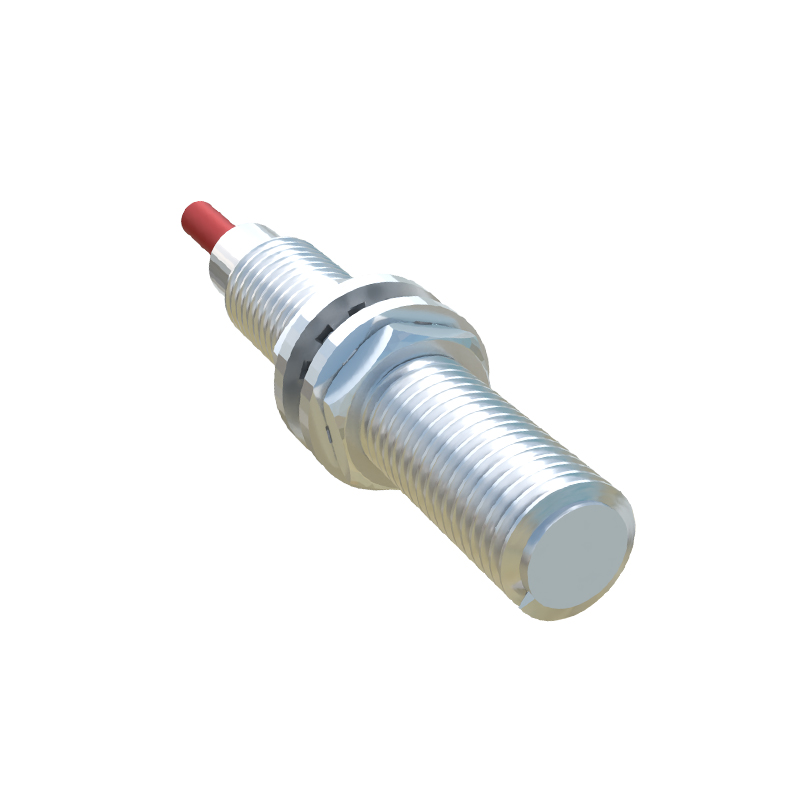
Understanding the core specifications of the LJ8 proximity switch is crucial for proper application. Typically, these sensors are available in standard sensing distances, such as 2mm, 4mm, and 8mm, with the actual usable range being slightly less to ensure stable operation. They commonly operate on a DC supply voltage, with 6-36V DC being a standard range, and provide either a PNP (sourcing) or NPN (sinking) transistor output configuration to interface with programmable logic controllers (PLCs) or other control units. The housing is usually constructed from nickel-plated brass or stainless steel, offering excellent resistance to oils, coolants, and physical impacts. A key feature is their embedded protection against short-circuit, reverse polarity, and overload conditions, enhancing system longevity. Furthermore, many models incorporate an LED status indicator for visual confirmation of power and output state, significantly aiding in installation and troubleshooting.
Standard Wiring Configurations and Installation
Correct wiring is paramount for the safe and functional operation of the LJ8 sensor. The typical three-wire configuration includes a brown wire for the positive supply voltage (+V), a blue wire for the common negative or ground (0V), and a black wire for the load output signal. For a PNP (sourcing) type sensor, the black wire outputs a positive voltage to the load when a target is detected, with the load connected between the black wire and ground. Conversely, for an NPN (sinking) type, the black wire sinks current to ground, requiring the load to be connected between the positive supply and the black wire. During installation, it is critical to ensure the sensor is mounted securely without excessive stress on the housing. Users must also adhere to the specified mounting conditions, maintaining proper clearance from surrounding metal objects to prevent false triggering and ensure the rated sensing distance is achieved.
Common Industrial Applications and Use Cases
The versatility of the LJ8 proximity sensor lends itself to a vast array of industrial applications. A primary use is in position detection on automated production lines, such as verifying the presence of a metal part in a fixture or confirming the end-of-travel position of a cylinder. They are extensively used for counting metallic objects on conveyor belts, providing high-speed and accurate input for inventory or batch control. In machine tools, these sensors monitor tool position, detect broken tools, or act as limit switches for moving components. Other common applications include detecting the open/closed status of metal doors or hatches, monitoring rotational speed by detecting gear teeth or keyways, and serving as a safety interlock to confirm a guard is in place before machine startup. Their sealed construction makes them suitable for washdown areas in food and beverage processing.
Selection Criteria and Best Practices
Selecting the correct LJ8 sensor model requires careful consideration of several parameters. First, identify the target material; standard inductive sensors like the LJ8 are optimal for ferrous metals like steel and iron, with reduced sensing ranges for non-ferrous metals like aluminum or copper. The required sensing distance should be chosen with a safety margin, typically 70-80% of the nominal rating, to account for mechanical tolerances and temperature variations. The output type (PNP vs. NPN) must match the input requirements of the controller. Environmental factors are critical: for applications with heavy vibration, a sensor with a rugged housing and potted electronics is necessary; for high-temperature areas, ensure the operating temperature range is not exceeded. Always consult the manufacturer's datasheet for detailed specifications on housing material, IP rating for ingress protection, and electrical characteristics to ensure a reliable and long-lasting installation.
Troubleshooting and Maintenance Guidelines
While LJ8 sensors are designed for minimal maintenance, occasional issues may arise. Common problems include failure to detect a target, constant activation, or intermittent