Introduction to Photoelectric Sensing
Photoelectric sensors are fundamental components in modern industrial automation, utilizing light beams to detect the presence, absence, or distance of objects. These sensors operate by emitting a light beam from a transmitter, which is then received by a receiver. The detection principle hinges on the interruption or reflection of this light beam. Their non-contact nature makes them ideal for applications requiring high-speed detection, long sensing ranges, and minimal wear and tear. Unlike mechanical limit switches, photoelectric sensors offer superior reliability and longevity, making them indispensable in diverse sectors from packaging and material handling to automotive assembly and food processing. Their versatility stems from the ability to detect a wide array of materials, including glass, metal, plastic, and liquids, regardless of color or surface texture in many configurations.
Core Operating Principles and Types
The functionality of photoelectric sensors is categorized into three primary operating modes: through-beam, retro-reflective, and diffuse reflective. Through-beam sensors, also known as opposed mode sensors, consist of separate transmitter and receiver units positioned opposite each other. An object is detected when it breaks the light beam between them. This mode offers the longest sensing range and highest reliability, as it is largely immune to object color, reflectivity, or surface angle. Retro-reflective sensors house both emitter and receiver in a single housing. They rely on a reflector, typically a corner-cube reflector, to bounce the light beam back. Detection occurs when an object interrupts this reflected beam. These sensors provide a good balance of range and ease of installation. Diffuse reflective sensors, or proximity mode sensors, also have a single housing. They detect an object when the emitted light reflects off the object's surface and returns to the receiver. The sensing distance is shorter and can be influenced by the object's color and surface properties, but they require no separate reflector, simplifying setup.
Advanced Sensing Technologies and Features
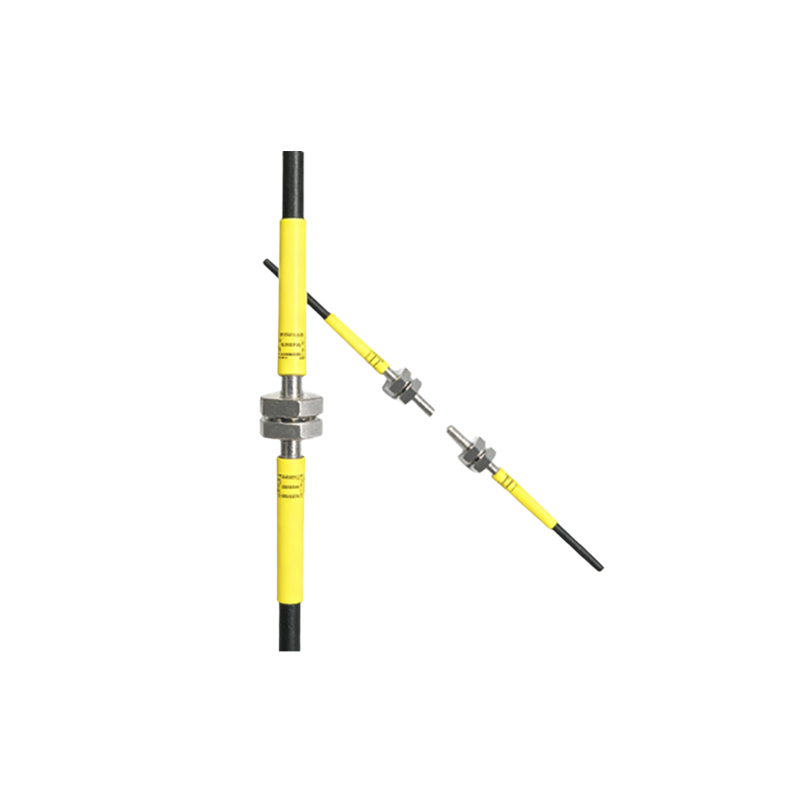
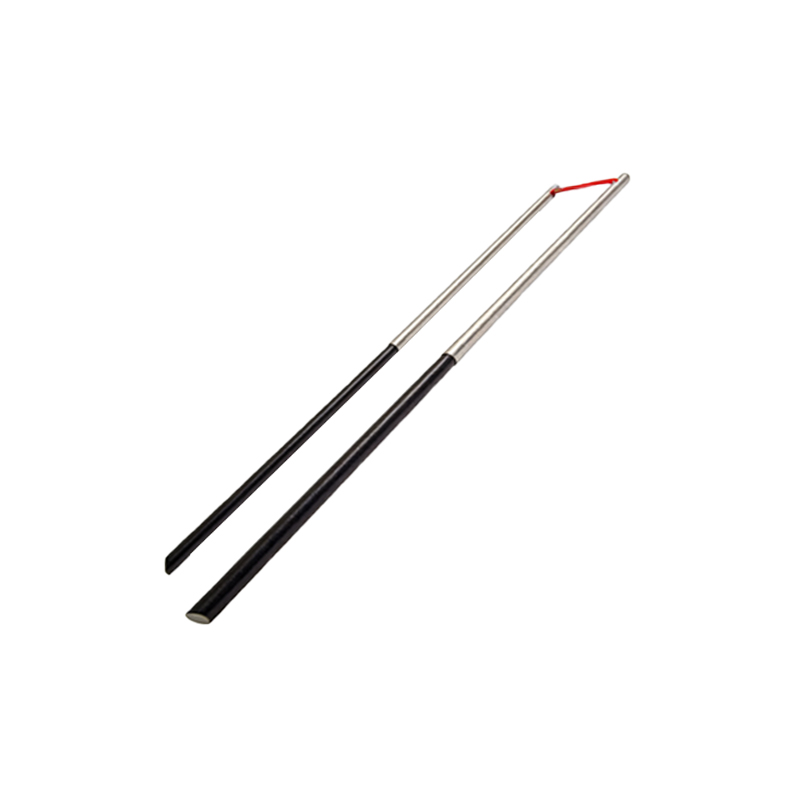
Beyond the basic types, advanced photoelectric sensors incorporate sophisticated technologies for specialized tasks. Background suppression sensors are a type of diffuse sensor that uses triangulation to detect objects only within a precise, fixed distance, ignoring objects or surfaces beyond that point. This is crucial for detecting objects on a conveyor belt, ignoring the belt itself. Convergent beam sensors focus the light beam to a specific point, allowing for precise detection of small objects or edges. Fiber optic photoelectric sensors use flexible light guides to deliver light to and from hard-to-reach, hazardous, or high-temperature environments, with the amplifier unit placed remotely. Modern sensors also feature built-in programmable logic, time delays, and teach-in functions for easy setup. Many are equipped with IO-Link communication for advanced diagnostics, parameter setting, and integration into Industry 4.0 networks, enabling predictive maintenance and data collection.
Key Selection Criteria for Industrial Applications
Selecting the correct photoelectric sensor requires careful consideration of several application parameters. First, determine the required sensing range and the physical size of the target object. For long ranges or small objects, a through-beam sensor is often best. Next, consider the environmental conditions: presence of dust, moisture, or washdown requirements dictates the needed ingress protection rating, such as IP67 or IP69K. The sensing environment may also require specific light sources; red LED light is common, but laser models offer precision for alignment, and green LED light improves detection of red objects or in high-ambient-light conditions. The response time must be fast enough for the application's speed. Finally, the output type (PNP/NPN, analog, relay) must be compatible with the controller, such as a PLC. Material handling often uses through-beam for counting, while packaging lines frequently employ diffuse sensors with background suppression for label or fill-level detection.
Common Applications Across Industries
The applications for photoelectric sensors are vast and critical to operational efficiency. In automotive manufacturing, they are used for robot guidance, part presence verification, and weld nut detection. Packaging machinery relies on them for label detection, cap placement verification, and carton counting. In the food and beverage industry, sensors with high hygiene ratings detect bottles, cans, and fill levels on high-speed filling lines. Logistics and warehousing use arrays of sensors for parcel dimensioning, sorting, and palletizing. They are also essential in printing for web break detection, in electronics for PCB positioning, and in pharmaceutical for vial and syringe inspection. Their ability to provide precise, non-contact feedback makes them the eyes of automated systems, ensuring quality control, safety, and throughput.
Installation, Alignment, and Troubleshooting Tips
Proper installation is key to reliable sensor operation. Ensure the sensor is securely mounted to minimize vibration. For through-beam and retro-reflective types, precise alignment between the emitter, receiver, and/or reflector is critical; many sensors have built-in alignment indicators or audible signals. Avoid mounting sensors where they face direct sunlight or other strong ambient light sources, which can cause false triggers; using sensors with modulated light can mitigate this. Keep lenses clean from dust, oil, or debris. Common troubleshooting steps include verifying power supply, checking for obstructions in the sensing path, inspecting for damage to the lens or housing, and confirming the output wiring is correct. Utilizing sensors with diagnostic LEDs greatly simplifies identifying issues like stable detection, marginal signals, or overload conditions.
The Future of Photoelectric Sensing
The evolution of photoelectric sensors is tightly linked to trends in smart manufacturing and the Industrial Internet of Things (IIoT). Future sensors will possess even greater intelligence, with enhanced self-diagnostic capabilities to predict failures before they cause downtime. Integration of multi-pixel array technology will allow for simple contour and shape recognition, blurring the lines between sensors and vision systems. Energy efficiency will continue to improve, and miniaturization will enable their use in increasingly compact machinery. Furthermore, the standardization of communication protocols like IO-Link will make sensors more configurable and their data more accessible, feeding into larger analytics platforms for optimizing entire production processes. The core principle remains, but the "smart photoelectric sensor" will become a more integral and data-rich node on the factory floor.