Introduction to Proximity Sensors and Solenoid Valves
Proximity sensors and solenoid valves are fundamental components in modern industrial automation systems. Proximity sensors detect the presence or absence of objects without physical contact, utilizing electromagnetic fields, infrared light, or ultrasonic waves. Solenoid valves, on the other hand, are electromechanical devices that control the flow of liquids or gases by converting electrical energy into mechanical motion. Together, they form a critical partnership in applications ranging from manufacturing lines to fluid control systems, enabling precise, reliable, and efficient operations. Their integration allows for automated processes that reduce human intervention, minimize errors, and enhance productivity in various industries, including automotive, packaging, and pharmaceuticals.
Types and Working Principles of Proximity Sensors
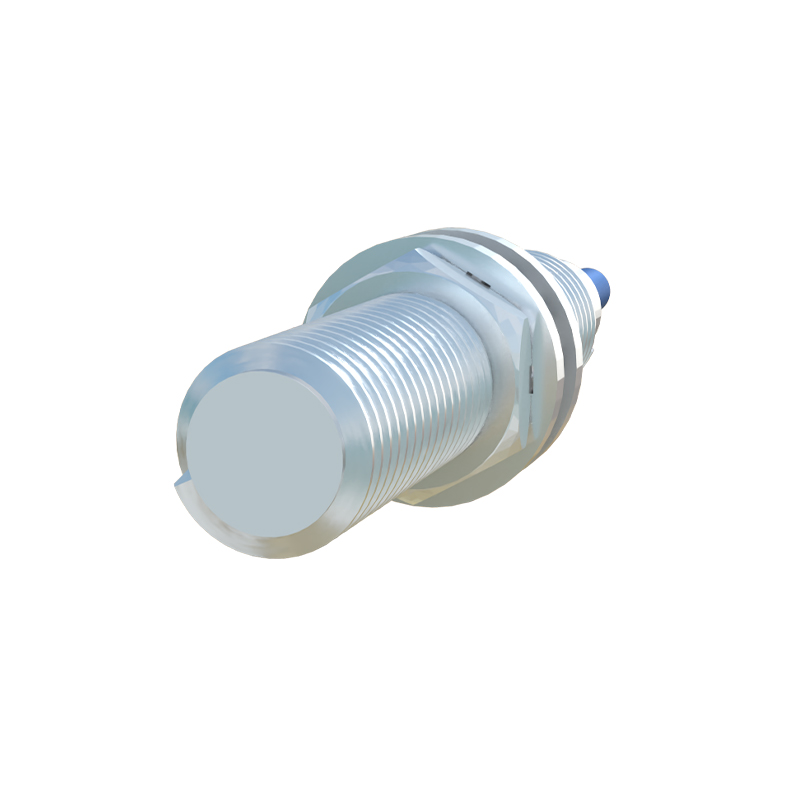
Proximity sensors come in several types, each suited for specific applications. Inductive proximity sensors detect metallic objects by generating an electromagnetic field; when a metal target enters this field, it induces eddy currents, causing a change in the sensor's output. Capacitive proximity sensors can detect both metallic and non-metallic materials by measuring changes in capacitance when an object approaches the sensing area. Photoelectric sensors use light beams to detect objects, offering long-range capabilities, while ultrasonic sensors rely on sound waves for distance measurement. The choice of sensor depends on factors such as material type, sensing distance, and environmental conditions. These sensors typically provide digital outputs, making them compatible with programmable logic controllers (PLCs) for seamless integration into control systems.
Functionality and Applications of Solenoid Valves
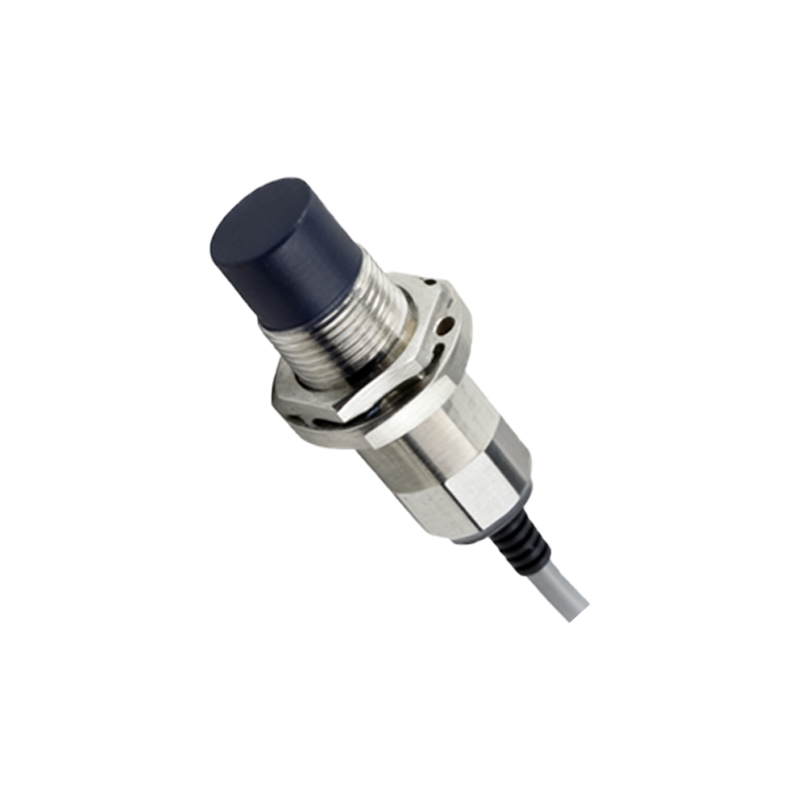
Solenoid valves operate by using an electric current to generate a magnetic field, which moves a plunger to open or close the valve orifice. They are classified into two main types: direct-acting and pilot-operated valves. Direct-acting solenoid valves are suitable for low-pressure applications, where the solenoid directly controls the flow. Pilot-operated valves, often used in high-pressure systems, utilize line pressure to assist in valve operation, reducing the required solenoid force. Solenoid valves are widely employed in fluid power systems, irrigation, HVAC, and medical equipment. For instance, in automated assembly lines, they control pneumatic actuators that drive machinery, while in water treatment plants, they regulate the flow of chemicals. Their quick response time and durability make them ideal for repetitive cycling tasks.
Integration in Industrial Control Systems
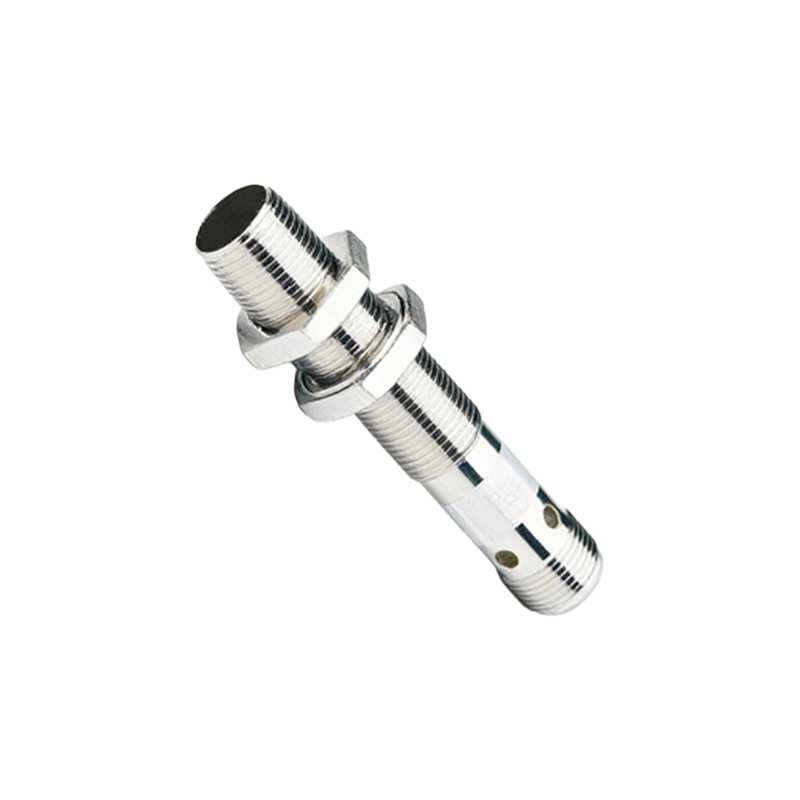
The synergy between proximity sensors and solenoid valves is evident in complex industrial control systems. Proximity sensors act as input devices, providing real-time data on object position or presence. This data is processed by a PLC or microcontroller, which then triggers solenoid valves to actuate based on predefined logic. For example, in a bottling plant, a proximity sensor detects bottles on a conveyor belt; upon detection, the PLC signals a solenoid valve to release a precise amount of liquid into each bottle. This closed-loop control ensures accuracy and efficiency. Integration often involves wiring sensors and valves to I/O modules, programming ladder logic or structured text, and implementing safety protocols to prevent malfunctions. Proper calibration and maintenance are crucial to avoid downtime and ensure system reliability.
Advantages and Performance Considerations
Using proximity sensors and solenoid valves offers numerous advantages, including high-speed operation, non-contact sensing, and energy efficiency. Proximity sensors provide long service life due to their lack of moving parts, while solenoid valves offer compact design and low power consumption. However, performance can be affected by environmental factors such as temperature extremes, humidity, and electromagnetic interference. For proximity sensors, selecting the right sensing range and material compatibility is essential to avoid false triggers. For solenoid valves, considerations include pressure ratings, flow coefficients, and media compatibility (e.g., corrosive fluids). Regular testing, using multimeters for electrical checks and flow meters for valve performance, helps maintain optimal operation. Additionally, advancements like IoT-enabled sensors and smart valves are enhancing predictive maintenance capabilities.
Common Challenges and Troubleshooting Tips
Despite their reliability, proximity sensors and solenoid valves can encounter issues in industrial settings. Common problems with proximity sensors include false detection due to environmental noise, sensor misalignment, or target material variations. Troubleshooting involves checking wiring connections, adjusting sensitivity settings, and ensuring proper shielding. For solenoid valves, frequent issues include coil burnout, valve sticking, or leakage. These can be addressed by verifying voltage supply, cleaning valve components, and replacing worn seals. Diagnostic tools like oscilloscopes for sensor signals and pressure gauges for valve systems are invaluable. Implementing preventive maintenance schedules, such as periodic cleaning and calibration, reduces failure rates. Training personnel on best practices, like avoiding mechanical shocks and using compatible fluids, further enhances system longevity.