Introduction to Vibratory Bowl Proximity Sensors
In automated assembly and packaging lines, vibratory bowl feeders are indispensable for orienting and delivering small components. At the heart of their reliable operation lies a critical component: the proximity sensor. These sensors are non-contact detection devices that monitor the presence or absence of parts within the feeder bowl or the track. By providing real-time feedback to the system's controller, they ensure a consistent and uninterrupted flow of materials, preventing jams, bowl run-dry conditions, and downstream equipment starvation. Their role is fundamental in maintaining the high efficiency and uptime demanded by modern manufacturing.
Core Function and Operational Principle
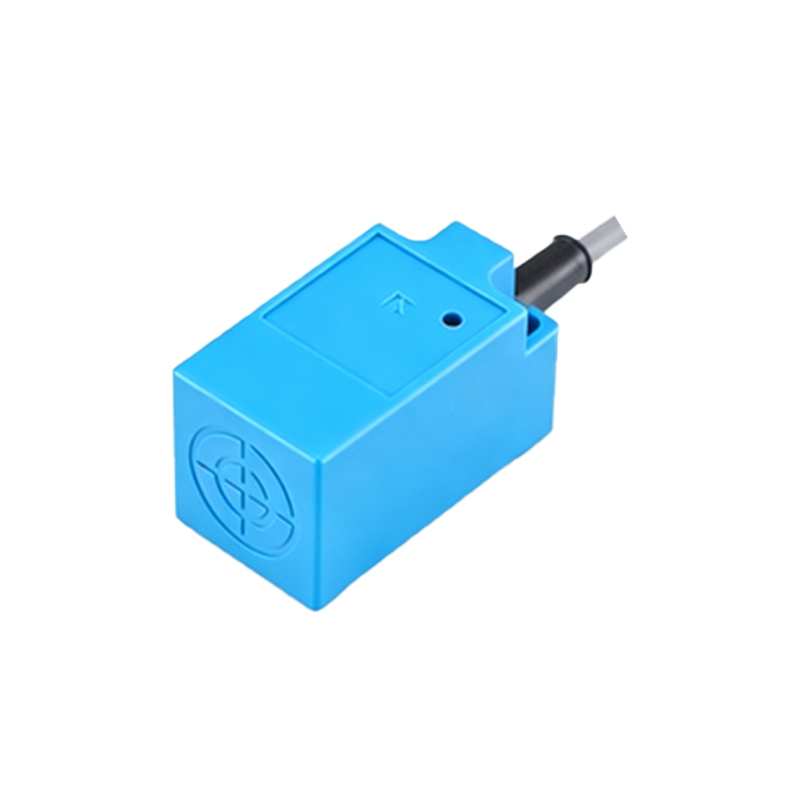
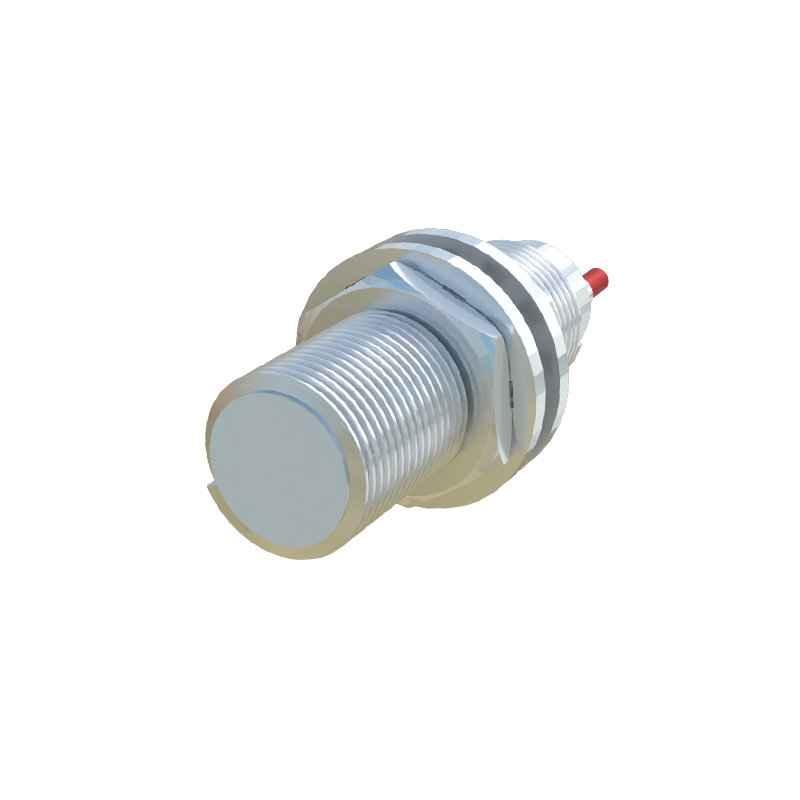
The primary function of a vibratory bowl proximity sensor is part presence detection. Most commonly, inductive proximity sensors are employed due to their robustness and reliability in detecting metallic components. The sensor generates an electromagnetic field. When a metal part enters this field, it induces eddy currents within the part, causing a change in the sensor's oscillation amplitude. This change is detected by the sensor's circuitry, which then switches its output signal. This signal is sent to the feeder's controller, which can subsequently start, stop, or modulate the bowl's vibration to regulate part flow. For non-metallic parts, capacitive sensors are used, detecting changes in capacitance caused by the presence of any material.
Key Benefits for System Performance
Integrating proximity sensors into vibratory feeding systems delivers substantial performance benefits. First, they enable precise control over the part population in the feeder track, optimizing feed rates and preventing overfilling that leads to jams. Second, they provide critical machine safeguarding by stopping the feeder when no parts are detected, preventing damage from empty vibration and conserving energy. Third, they enhance overall system intelligence, allowing for seamless integration with PLCs and other automation controllers for synchronized operation. This results in reduced downtime, lower component wear, and higher overall equipment effectiveness (OEE).
Strategic Placement and Installation Considerations
Effective sensing depends heavily on correct sensor placement. Typically, a sensor is installed at a critical point along the exit track, just after the orienting features, to confirm that correctly oriented parts are proceeding downstream. Another common location is inside the bowl itself to monitor the bulk supply level. Installation requires careful attention to the sensor's sensing distance, ensuring it is positioned within its nominal range for reliable detection. Environmental factors such as dust, coolant mist, or electromagnetic interference must also be considered, often necessitating sensors with appropriate IP ratings and noise immunity.
Selection Criteria for Optimal Application
Choosing the right proximity sensor is crucial. Engineers must evaluate several factors: the material of the parts to be detected (metal, plastic, ceramic) dictates the sensor type (inductive or capacitive). The size of the smallest part determines the required sensor size and sensing range. The operating environment calls for specific housing materials (e.g., stainless steel) and ingress protection levels. Response frequency must be high enough to detect parts at maximum feed rates. Finally, the output type (PNP/NPN, analog, or IO-Link) must be compatible with the existing control system architecture.
Maintenance and Troubleshooting Guidelines
While proximity sensors are designed for longevity, regular maintenance ensures sustained accuracy. Routine practices include visually inspecting the sensor face for dust, debris, or adhesive buildup that could dampen the sensing field. Checking mounting stability is vital, as vibration can loosen fixtures. Troubleshooting often involves verifying power supply, output wiring, and the alignment/distance to the target. A simple test involves using a target object to see if the sensor's output indicator LED activates. Recalibration or replacement is necessary if the sensing distance drifts significantly or detection becomes inconsistent.
Future Trends and Technological Integration
The evolution of vibratory bowl proximity sensors is aligned with Industry 4.0. Modern sensors increasingly feature digital communication protocols like IO-Link, which provide not just a switch signal but also detailed diagnostic data (e.g., operating hours, temperature, signal strength) to predictive maintenance systems. There is also a trend towards miniaturization, allowing for installation in tighter spaces, and the development of multi-functional sensors that can differentiate between part types. These advancements promise even greater reliability, integration depth, and data-driven optimization of feeding processes.
Conclusion: The Indispensable Sentinel
In conclusion, the proximity sensor is far more than a simple switch on a vibratory bowl feeder. It acts as the indispensable sentinel of the feeding process, providing the essential feedback that transforms a simple vibratory mechanism into an intelligent, reliable, and efficient automation component. Its correct selection, installation, and maintenance are fundamental engineering tasks that