Introduction to Proximity Sensing Technology
In the intricate world of industrial automation and machine control, proximity sensors stand as silent, yet indispensable, sentinels. These non-contact electronic devices detect the presence or absence of an object within their sensing field without any physical contact. The fundamental question, "Are proximity sensors important?" is akin to asking if eyes are important for navigation. Their significance is profound and multifaceted, forming the backbone of countless automated processes. From high-speed packaging lines to precise robotic assembly cells, these sensors provide the critical data points that enable machines to "see" and react to their environment, ensuring seamless, efficient, and safe operations. Their value is measured not just in functionality but in the reliability and precision they bring to complex systems.
Core Functions and Operational Principles
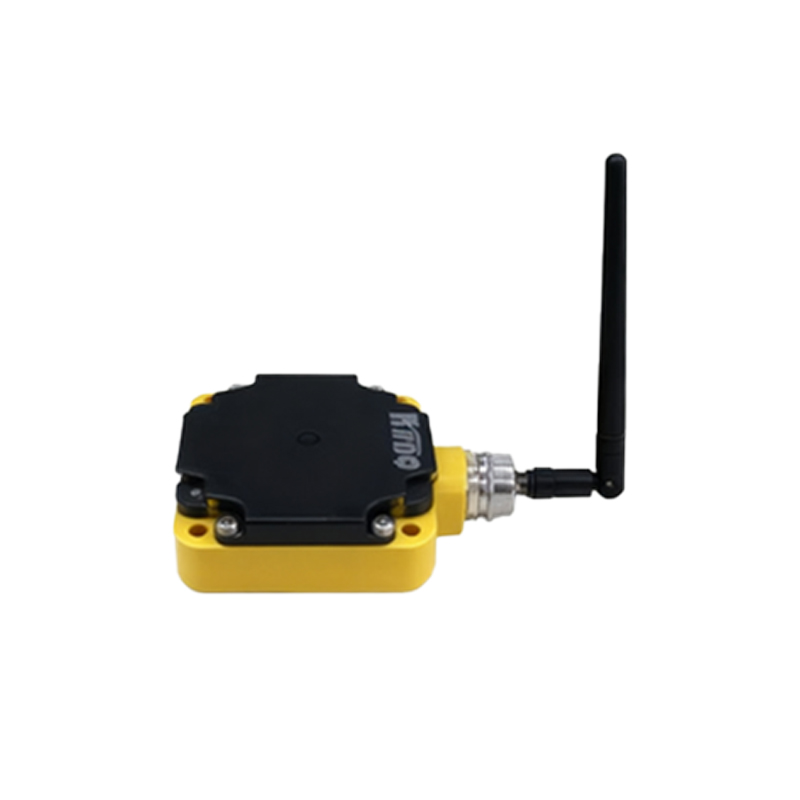
Proximity sensors operate on various principles, primarily inductive, capacitive, ultrasonic, and photoelectric. Inductive sensors, for instance, generate an electromagnetic field to detect metallic objects, making them perfect for harsh industrial environments where dirt, oil, or dust are present. Capacitive sensors can detect both metallic and non-metallic materials, including liquids and granular substances, by sensing changes in capacitance. This versatility allows them to solve unique application challenges, such as monitoring material levels in silos or detecting transparent films on production lines. Each type translates a physical presence into a clean, swift electrical signal—a binary "on" or "off"—that serves as a direct command for a programmable logic controller (PLC) or other control system, triggering subsequent actions like counting, positioning, or sorting.
Tangible Benefits in Industrial Applications
The importance of proximity sensors is unequivocally demonstrated through their tangible benefits. First and foremost, they enhance operational efficiency. By enabling high-speed detection and response—often in milliseconds—they allow machinery to operate at optimal speeds without compromising accuracy. This leads to increased throughput and reduced cycle times. Secondly, they significantly improve system reliability. With no moving parts to wear out and a non-contact design, they offer exceptional longevity and require minimal maintenance compared to mechanical limit switches. This reduces downtime and total cost of ownership. Furthermore, they contribute to superior product quality by ensuring precise positioning and repeatability in assembly and inspection processes, minimizing errors and waste.
Enhancing Safety and Enabling Advanced Automation
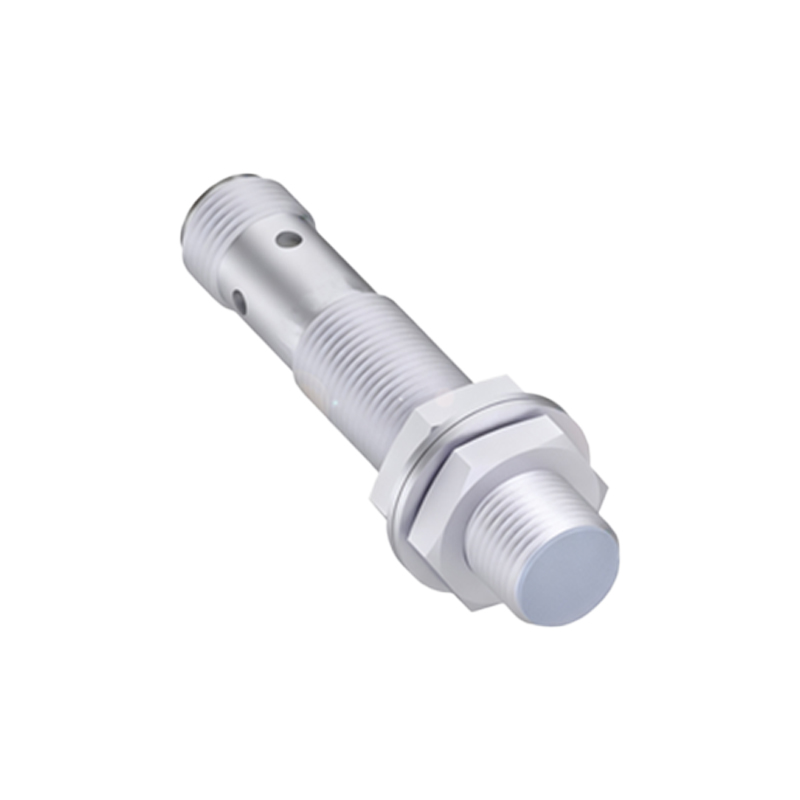
Beyond productivity, proximity sensors are pivotal for workplace safety. They are integral components in safety interlock systems, ensuring that guards are in place before a machine starts or that a robotic arm's path is clear before movement. This non-contact safety monitoring helps prevent accidents and protects both personnel and equipment. On a broader scale, their role is foundational for the advancement of Industry 4.0 and smart manufacturing. As key data acquisition points on the factory floor, they feed real-time information about machine status, production counts, and process sequences into networked systems. This data is crucial for predictive maintenance, process optimization, and creating a fully integrated, responsive, and data-driven industrial ecosystem.
Addressing Common Concerns and Limitations
While their importance is clear, it is also fair to consider their limitations to understand their proper application. Factors such as sensing range, environmental conditions (extreme temperatures, strong electromagnetic interference), and the material composition of target objects can influence performance. For example, an inductive sensor will not detect plastic, and a standard photoelectric sensor may struggle with highly reflective surfaces. Therefore, proper sensor selection—matching the technology to the specific application—is critical. When selected and installed correctly, these limitations are mitigated, and the sensors deliver consistent, reliable performance that far outweighs any initial configuration considerations.
Conclusion: An Indispensable Component
In conclusion, the question of whether proximity sensors are important receives a resounding affirmation. They are far more than simple switches; they are essential enablers of modern industrial automation. Their ability to provide reliable, non-contact detection drives efficiency, ensures quality, safeguards personnel, and supplies the vital data needed for intelligent manufacturing. The absence of such sensors would mean a return to slower, less reliable, and potentially hazardous mechanical methods. For any engineer designing, maintaining, or optimizing an automated system, understanding and leveraging the right proximity sensor technology is not just important—it is fundamental to achieving operational excellence and competitive advantage in today's industrial landscape.