Introduction to Photoelectric Sensing Technology
Photoelectric sensors are indispensable components in modern industrial automation, offering non-contact detection of objects, distances, and conditions. These devices operate by emitting a beam of light, typically from an LED or laser diode, and detecting changes in the received light signal. The core principle hinges on the interaction between light and the target object—whether through reflection, interruption, or beam convergence. Their ability to function without physical contact makes them ideal for applications involving fragile items, high-speed production lines, or harsh environments where wear and tear on mechanical sensors would be problematic. The technology's versatility allows for detection of a vast range of materials, including metals, plastics, glass, and liquids, provided there is a contrast in light reflectivity or transmissivity.
Core Operating Modes and Configurations
Photoelectric sensors are primarily categorized into three fundamental operating modes: through-beam, retro-reflective, and diffuse reflective. Through-beam sensors, also known as opposed mode sensors, consist of separate emitter and receiver units placed opposite each other. Detection occurs when the target object interrupts the light beam traveling from the emitter to the receiver. This mode offers the longest sensing range and highest reliability, as it is largely immune to the target's color, texture, or reflectivity. Retro-reflective sensors house both emitter and receiver in a single housing. They rely on a reflector, typically a corner-cube reflector, to bounce the emitted light back to the receiver. An object is detected when it blocks this reflected beam. Diffuse reflective sensors, or proximity mode sensors, also have a combined emitter and receiver. They detect an object when the emitted light reflects off the target's surface and returns to the receiver. This mode is highly dependent on the target's color, size, and surface properties.
Advanced Features and Specialized Types
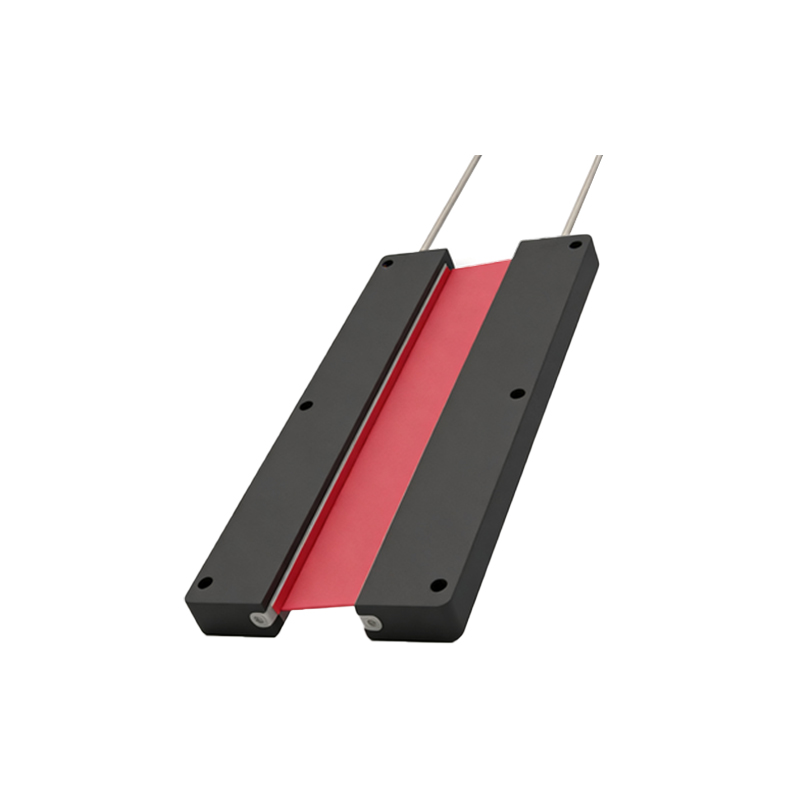
Beyond the basic modes, advanced photoelectric sensors incorporate sophisticated features for complex applications. Background suppression sensors use triangulation principles to detect objects only within a precise, defined range, ignoring surfaces beyond the set distance. This is crucial for detecting objects on a conveyor belt while ignoring the belt itself. Color sensors differentiate between colors by analyzing the reflected light's wavelength composition. Contrast sensors detect the difference in contrast or luminance between a mark and its background, essential in label and packaging verification. Fiber optic sensors utilize flexible light guides to deliver light to and from hard-to-reach, high-temperature, or hazardous locations, with the amplifier unit safely positioned elsewhere. Laser sensors provide extremely small, focused light spots for high-precision detection and measurement tasks.
Key Performance Parameters and Specifications
Selecting the appropriate photoelectric sensor requires careful consideration of several technical specifications. Sensing range, the maximum distance at which an object can be reliably detected, varies significantly between models and modes. Response time, the speed at which the sensor can detect a change and output a signal, is critical for high-speed automation. Light source type (red LED, infrared LED, laser) affects visibility, range, and application suitability. The housing material and ingress protection (IP) rating determine the sensor's resilience to environmental factors like dust, water, oils, and chemicals. Output type, such as NPN/PNP transistor, analog, or IO-Link, defines how the sensor communicates with the control system. Additionally, features like adjustable sensitivity, teach-in functionality, and built-in diagnostics enhance flexibility and ease of use.
Industrial Applications Across Sectors
The application landscape for photoelectric sensors is vast and cross-industrial. In material handling and packaging, they count bottles, detect jam-ups, and verify case sealing. Automotive assembly lines rely on them for precise part positioning, robot guidance, and weld seam tracking. In the food and beverage industry, sensors detect fill levels, cap presence, and label alignment under strict hygiene standards. Electronics manufacturing utilizes miniature sensors for PCB presence detection, component insertion verification, and wafer handling. They are also fundamental in safety systems, forming light curtains that protect personnel around dangerous machinery. Their role in logistics, for parcel dimensioning and sortation, continues to grow with e-commerce.
Guidelines for Selection and Installation
Successful implementation begins with a clear definition of the detection task: What is the target object? What is the required sensing distance? What are the environmental conditions? For through-beam applications, ensure precise alignment of emitter and receiver. For retro-reflective sensors, maintain a clean reflector and avoid shiny objects that might cause false triggers. With diffuse sensors, account for variations in target color and surface finish by testing with actual samples. Always consider potential optical interference from ambient light, dust, steam, or vibration. Proper mounting, using stable brackets, is essential to maintain alignment. Regular maintenance, including lens cleaning and functional checks, ensures long-term reliability and prevents costly downtime.
Future Trends and Developments
The evolution of photoelectric sensors is driven by Industry 4.0 and smart factory concepts. Integration of IO-Link communication provides detailed device parameters, diagnostics, and condition monitoring data directly to the control system, enabling predictive maintenance. Miniaturization continues, allowing sensors to fit into increasingly compact machinery. Enhanced resistance to challenging environments, such as high-pressure washdowns or extreme temperatures, expands their applicability. Furthermore, the convergence of sensing and vision technology is creating smarter sensors capable of simple shape recognition or precise dimensional measurement, blurring the lines between traditional sensors and compact vision systems.