Introduction to M1403T Photoelectric Sensor
The M1403T photoelectric sensor represents a cornerstone technology in modern industrial automation and control systems. As a highly reliable and versatile sensing device, it operates on the fundamental principle of detecting the presence, absence, or distance of an object by using a light transmitter and receiver. This particular model is engineered for robustness, offering consistent performance in diverse and often challenging industrial environments. Its design typically incorporates advanced optics and electronics to ensure high precision, making it an indispensable component for tasks ranging from simple object detection on conveyor belts to complex positioning in automated assembly lines. The sensor's ability to function without physical contact with the target object minimizes wear and tear, thereby enhancing system longevity and reducing maintenance costs.
Key Technical Specifications and Operating Principles
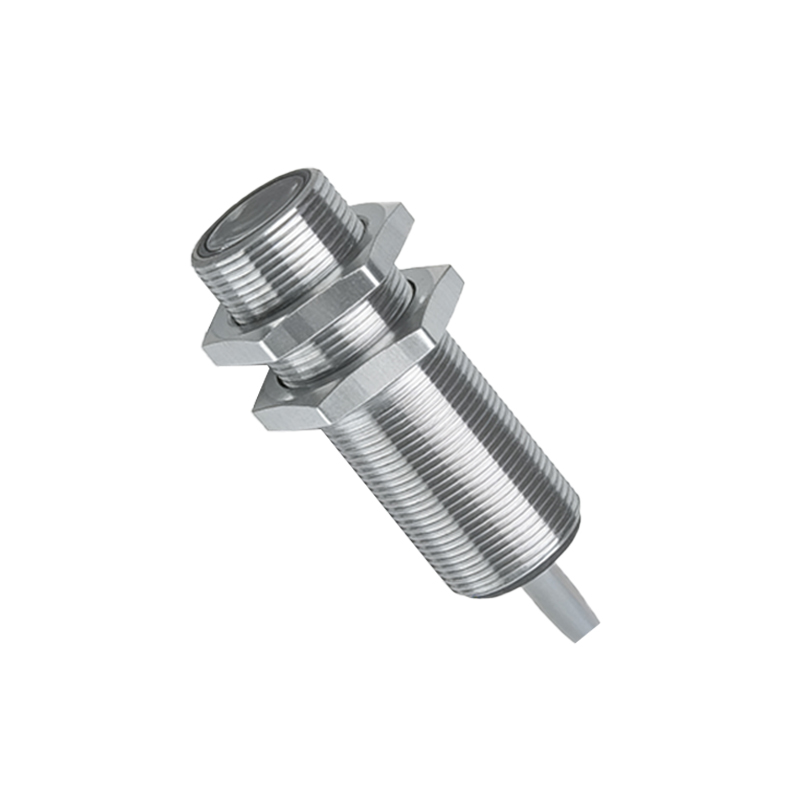
Delving into the technical core, the M1403T sensor commonly utilizes either a through-beam, retro-reflective, or diffuse reflective sensing mode. The sensing range is a critical parameter, often specified clearly in its datasheet, which determines its effective operational distance. Key electrical specifications include the operating voltage range, typically spanning from 10-30V DC, ensuring compatibility with standard industrial power supplies. The output configuration, which can be NPN or PNP transistor-based, defines its interface with programmable logic controllers (PLCs) and other control units. Response time is another vital metric, indicating how quickly the sensor can detect a change and trigger an output signal, which is crucial for high-speed automation processes. The housing is usually constructed from durable materials like ABS plastic or metal, providing ingress protection ratings such as IP67, which signifies high resistance to dust and temporary immersion in water.
Primary Applications in Industrial Settings
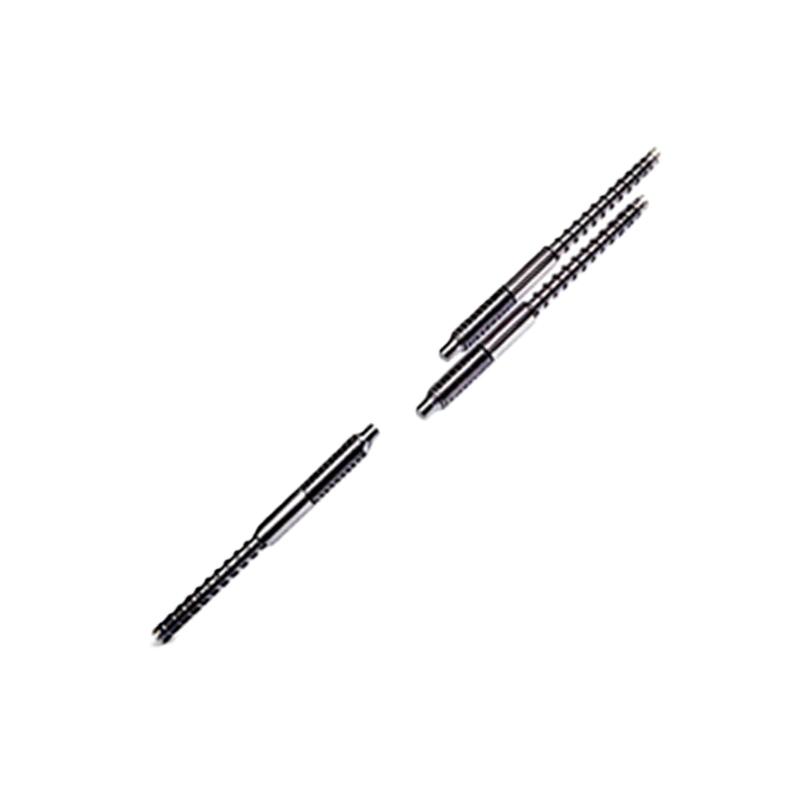
The application spectrum of the M1403T photoelectric sensor is remarkably broad. In packaging machinery, it is frequently deployed for label detection, cap placement verification, and product counting. Within the automotive manufacturing sector, these sensors play a pivotal role in robot guidance, part presence confirmation, and weld seam tracking. They are equally vital in material handling systems for detecting jams, monitoring fill levels in containers, and ensuring precise positioning of pallets. The food and beverage industry relies on them for bottle/can detection and ensuring proper container orientation, often opting for models with specific hygienic design features. Their non-contact nature makes them ideal for detecting fragile, hot, or sensitive materials that could be damaged by physical switches.
Installation, Alignment, and Calibration Best Practices
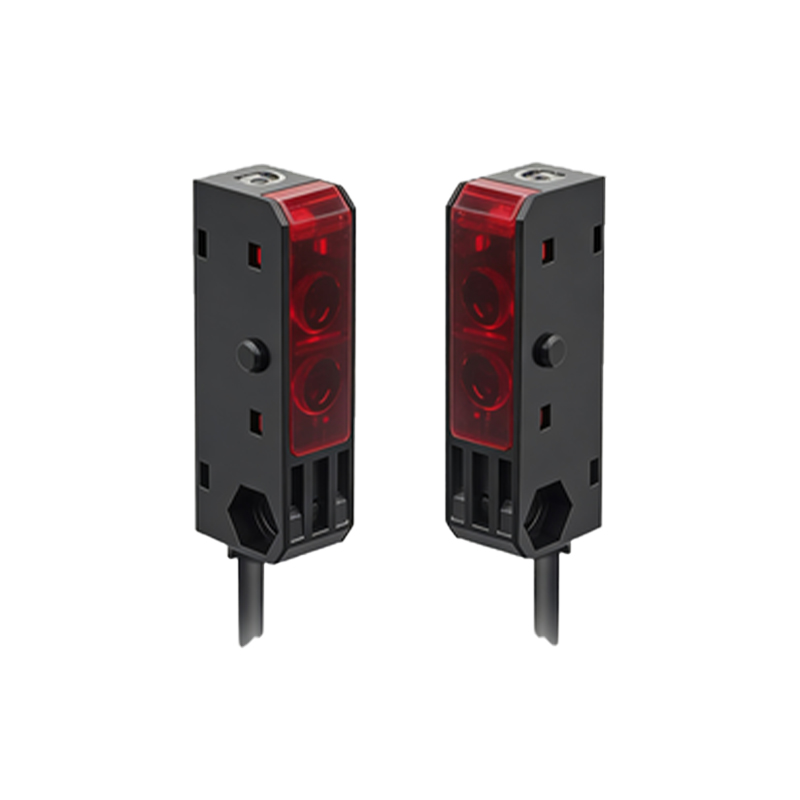
Proper installation is paramount for optimal sensor performance. It is essential to securely mount the sensor using appropriate brackets, ensuring it is protected from excessive vibration. For through-beam types, precise alignment between the separate transmitter and receiver units is critical; even minor misalignment can lead to signal loss or erratic behavior. Retro-reflective sensors require a correctly positioned reflector, while diffuse sensors need consideration of the target object's color, material, and surface finish, as these factors influence reflectivity. Environmental factors such as ambient light, dust, fog, or temperature extremes must be assessed during installation. Many M1403T sensors feature built-in sensitivity adjustment potentiometers or teach-in functions, allowing technicians to calibrate the device for the specific application, minimizing false triggers and ensuring reliable operation.
Troubleshooting Common Operational Issues
Despite their reliability, users may encounter issues. A frequent problem is the sensor failing to detect an object. This can stem from misalignment, dirty lenses, an incorrect sensing range for the application, or a power supply fault. Intermittent operation might be caused by electrical noise interference, unstable mounting, or fluctuating environmental conditions. If the output signal is constantly on or off, it could indicate a wiring error, a faulty load, or internal component failure. Systematic troubleshooting involves checking the power LED indicator, verifying wiring connections against the manufacturer's diagram, cleaning the optical components, and testing with a known-good target object. Understanding the status indicators, often present as stable or blinking LEDs, is key to diagnosing the sensor's health.
Advantages Over Alternative Sensing Technologies
Compared to other proximity sensors like inductive or capacitive types, the M1403T photoelectric sensor offers distinct advantages. Its primary benefit is the ability to detect a vast array of materials, including non-metallic objects like plastic, glass, wood, and liquids, which inductive sensors cannot detect. It also provides a much longer sensing distance than typical capacitive sensors. While ultrasonic sensors are also used for non-contact detection, photoelectric sensors generally offer faster response times and higher precision for smaller objects. The M1403T's versatility in sensing modes allows it to be tailored for specific challenges, providing a cost-effective and flexible solution for many automation needs where physical contact is undesirable or impractical.
Future Trends and Integration with Industry 4.0
The evolution of photoelectric sensors like the M1403T is closely tied to the advancement of Industry 4.0 and the Industrial Internet of Things (IIoT). Future iterations are expected to feature enhanced connectivity options, such as IO-Link, which enables digital communication for detailed parameter setting, real-time condition monitoring, and predictive maintenance data. Integration with smart factory networks allows sensors to transmit diagnostic information, such as lens contamination levels or internal temperature, to central control systems, facilitating proactive maintenance and reducing downtime. Developments in laser-based technology and background suppression techniques will further improve accuracy and allow for operation in even more demanding environments. The core functionality of the M1403T will remain essential, but its intelligence and connectivity will transform it from a simple switch into a valuable data point within a comprehensive digital ecosystem.