Introduction to Proximity Sensors
Proximity sensors are essential components in modern industrial automation, designed to detect the presence or absence of objects without physical contact. These devices operate based on various principles, such as electromagnetic fields, light, or sound, enabling reliable and efficient monitoring in diverse applications. From manufacturing lines to robotics, proximity sensors enhance safety, precision, and productivity by providing real-time feedback. Their non-contact nature minimizes wear and tear, reducing maintenance costs and downtime. This article explores the primary types of proximity sensors, detailing their working mechanisms, advantages, and typical use cases in industrial settings.
Inductive Proximity Sensors
Inductive proximity sensors are widely used for detecting metallic objects. They generate an electromagnetic field and sense changes caused by conductive materials, such as steel or aluminum. When a metal target enters the sensor's range, it induces eddy currents, altering the field and triggering an output signal. These sensors are ideal for harsh environments due to their robustness and resistance to dust, moisture, and vibrations. Common applications include position sensing in machinery, part counting on conveyor belts, and safety interlocks. Key advantages include high switching frequencies, long operational life, and immunity to non-metallic interference. However, they are limited to metal detection and have a relatively short sensing range compared to other types.
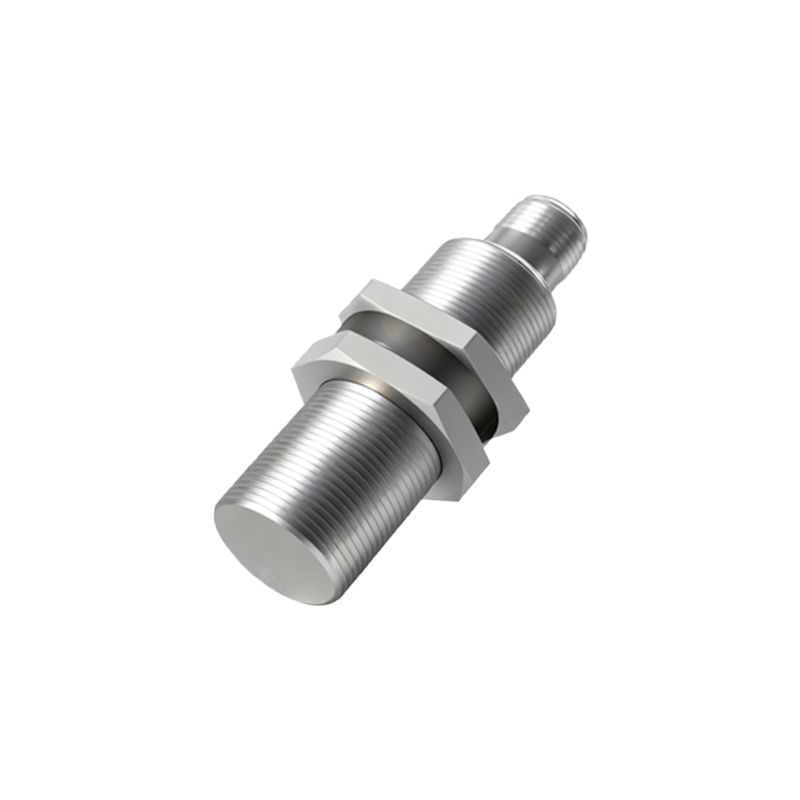
Capacitive Proximity Sensors
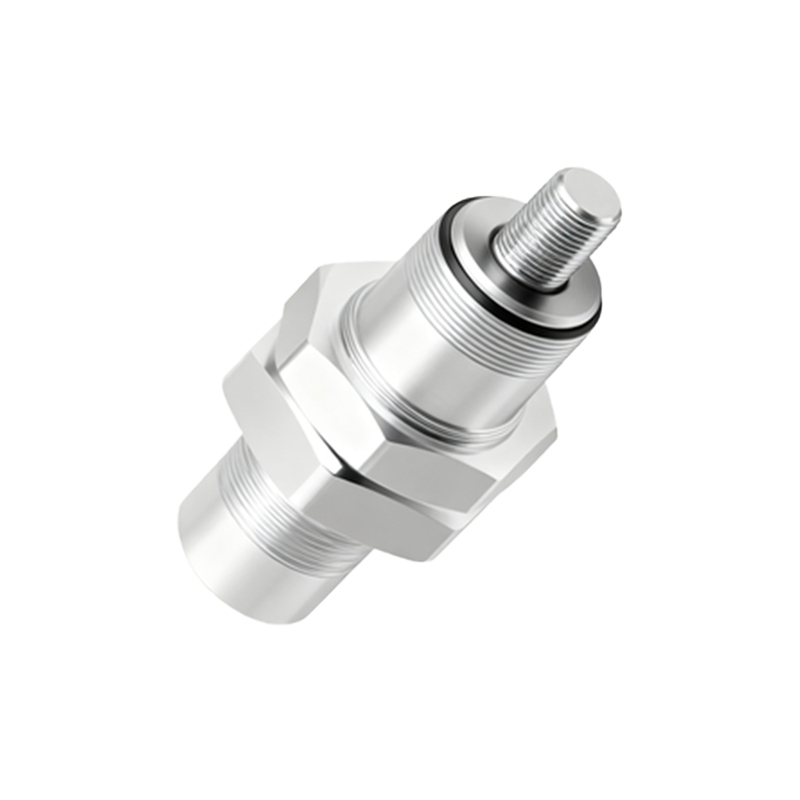
Capacitive proximity sensors can detect both metallic and non-metallic objects, including liquids, plastics, and wood. They function by measuring changes in capacitance between the sensor and the target. When an object approaches, it alters the dielectric constant of the sensor's electrostatic field, causing a shift in capacitance that activates the output. These sensors are versatile and suitable for applications like level detection in tanks, material handling, and packaging. They offer sensitivity adjustment to ignore unwanted materials, making them adaptable to complex environments. Drawbacks include potential interference from humidity or temperature variations and a generally shorter range than inductive sensors. Proper installation and calibration are crucial for optimal performance.
Ultrasonic Proximity Sensors
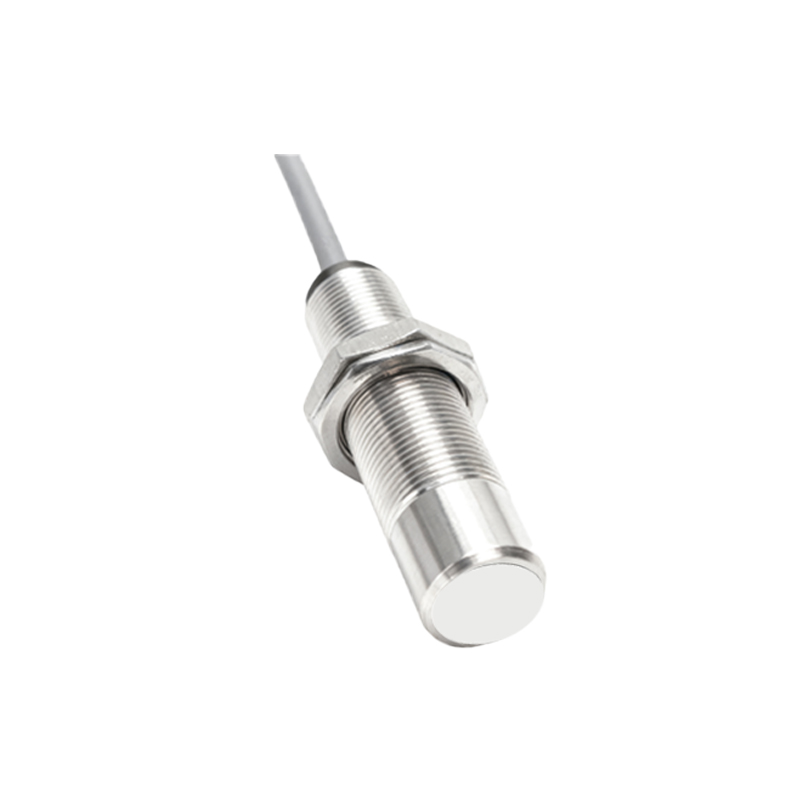
Ultrasonic proximity sensors utilize sound waves beyond human hearing to detect objects. They emit high-frequency pulses and measure the time taken for echoes to return after hitting a target. This time-of-flight principle allows for accurate distance measurement and detection of various materials, regardless of color or transparency. These sensors excel in challenging conditions, such as detecting transparent glass or in dusty areas where optical sensors might fail. Typical uses include liquid level control, object positioning, and collision avoidance in automated guided vehicles. Advantages include long sensing ranges, reliable performance in adverse environments, and the ability to measure distance. Limitations involve slower response times and potential interference from air turbulence or acoustic noise.
Photoelectric Proximity Sensors
Photoelectric proximity sensors rely on light beams to sense objects. They consist of an emitter (usually an LED or laser) and a receiver. When an object interrupts or reflects the light beam, the sensor detects the change and outputs a signal. These sensors are categorized into through-beam, retro-reflective, and diffuse types, each suited for specific scenarios. Through-beam sensors offer long ranges and high accuracy, while diffuse sensors are compact and easy to install. Applications include packaging, sorting systems, and security. Benefits include fast response, versatility in detecting diverse materials, and long operational distances. Challenges may arise from environmental factors like fog, dirt, or ambient light, requiring regular maintenance for consistent operation.
Magnetic Proximity Sensors
Magnetic proximity sensors detect magnetic fields, typically from permanent magnets. They use reed switches or Hall effect elements to sense the presence of a magnet, making them ideal for position sensing in cylinders, valves, or doors. These sensors are highly reliable, with no moving parts, ensuring durability in high-vibration or explosive environments. They are commonly used in automotive, aerospace, and hydraulic systems. Advantages include low power consumption, immunity to non-magnetic materials, and simple installation. However, they are limited to applications involving magnets and may have reduced sensitivity in extreme temperatures. Proper selection based on magnetic strength and orientation is essential for effective use.
Selection Criteria for Proximity Sensors
Choosing the right proximity sensor depends on several factors, including target material, sensing range, environmental conditions, and cost. Inductive sensors are best for metals in dirty settings, while capacitive sensors handle diverse materials but require careful tuning. Ultrasonic sensors offer versatility in range and material detection but may be slower. Photoelectric sensors provide speed and precision but need clean environments. Magnetic sensors excel in specific magnetic applications. Engineers must consider response time, output type (e.g., analog or digital), and industry standards to ensure compatibility and safety.