In the vast landscape of industrial automation, a silent revolution is constantly at work. This revolution is driven not by towering robots or complex software interfaces alone, but by a fundamental layer of technology: industrial sensors and proximity switches. These devices form the critical sensory network of modern manufacturing, providing the essential data and control signals that enable precision, safety, and efficiency on a massive scale.
At its core, an industrial sensor is a device designed to detect, measure, and respond to a specific physical property or event in its environment. This could be temperature, pressure, level, flow, or the presence of an object. The data collected is then converted into an electrical signal for processing by a control system, such as a PLC (Programmable Logic Controller). Proximity switches, a vital subset of sensors, specialize in non-contact detection. They identify the presence or absence of a target object within a defined range without any physical touch, using various physical principles.
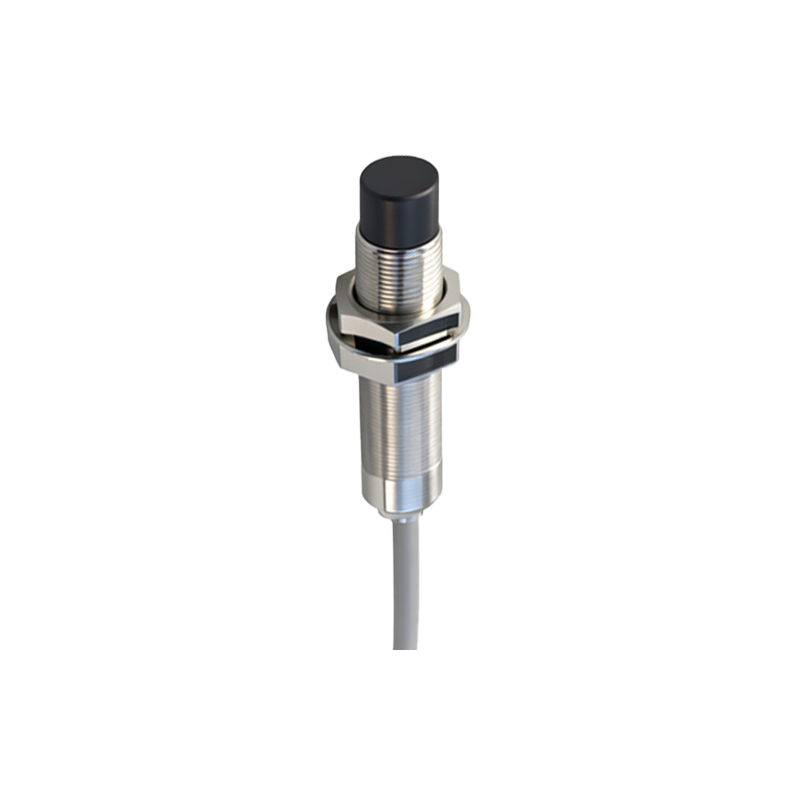
The primary technologies behind proximity switches illustrate their versatility. Inductive proximity sensors are workhorses in metalworking environments. They generate an electromagnetic field and detect changes caused by conductive metal targets. They are exceptionally reliable for detecting machine parts, position verification, and counting metallic objects, all while being immune to dust, oil, and non-metallic debris. Capacitive proximity sensors, on the other hand, can detect both metallic and non-metallic materials—liquids, plastics, wood, or granules. They work by sensing changes in capacitance caused by the target entering their electrostatic field. This makes them ideal for level detection in tanks, material handling, and packaging applications.
Photoelectric sensors use light beams to detect objects. An emitter sends out a beam of light (visible, infrared, or laser), and a receiver detects its presence or absence. They offer long sensing ranges and can detect virtually any material, making them perfect for conveyor belt systems, object counting, and complex positioning tasks. Ultrasonic sensors operate like sonar, emitting high-frequency sound waves and measuring the time it takes for the echo to return. They excel in distance measurement, level sensing for bulk materials or liquids, and detecting transparent or irregularly shaped objects that photoelectric sensors might miss.
The impact of these technologies on industrial operations is profound. In automotive assembly, inductive sensors ensure robotic arms precisely locate car body panels. In food and beverage production, capacitive sensors monitor fill levels in containers without contamination risk. Photoelectric sensors on high-speed packaging lines verify label placement and count products. Ultrasonic sensors manage inventory in silos by measuring raw material levels. Beyond basic detection, their role in predictive maintenance is growing. By continuously monitoring vibration, temperature, or pressure, sensors can signal wear and tear before a catastrophic failure, minimizing unplanned downtime—a key metric for Overall Equipment Effectiveness (OEE).
Choosing the right sensor involves a careful analysis of the application. Engineers must consider the target material, required sensing distance, environmental conditions (temperature, humidity, potential washdowns), output type needed (digital on/off or analog signal), and installation constraints. The robustness of industrial-grade sensors is non-negotiable; they are built to withstand shock, vibration, extreme temperatures, and electromagnetic interference common in harsh plant floors.
Looking ahead, the integration of sensors with Industrial Internet of Things (IIoT) architectures is the next frontier. Smart sensors with embedded intelligence and communication protocols like IO-Link can transmit not just a state signal, but detailed diagnostic data about their own health and process parameters. This data feeds into higher-level analytics platforms, enabling deeper insights, optimized processes, and truly adaptive manufacturing systems. While they may be small and often overlooked, industrial sensors and proximity switches are indispensable. They are the foundational elements that translate the physical world into actionable data, making automated, intelligent, and responsive industrial operations not just possible, but reliable and efficient every single day.