Introduction to Proximity Sensing Technology
Proximity sensors are fundamental components in modern industrial automation, providing non-contact detection of objects within a defined range. Among the various models and series available, the E2G proximity sensor has established itself as a reliable and versatile solution. These sensors operate primarily on the inductive principle, generating an electromagnetic field to detect the presence of metallic targets without physical contact. This non-contact nature eliminates mechanical wear and tear, ensuring high durability and long-term operational stability. The E2G series is engineered to deliver consistent performance in challenging industrial environments, making it a preferred choice for engineers and system integrators.
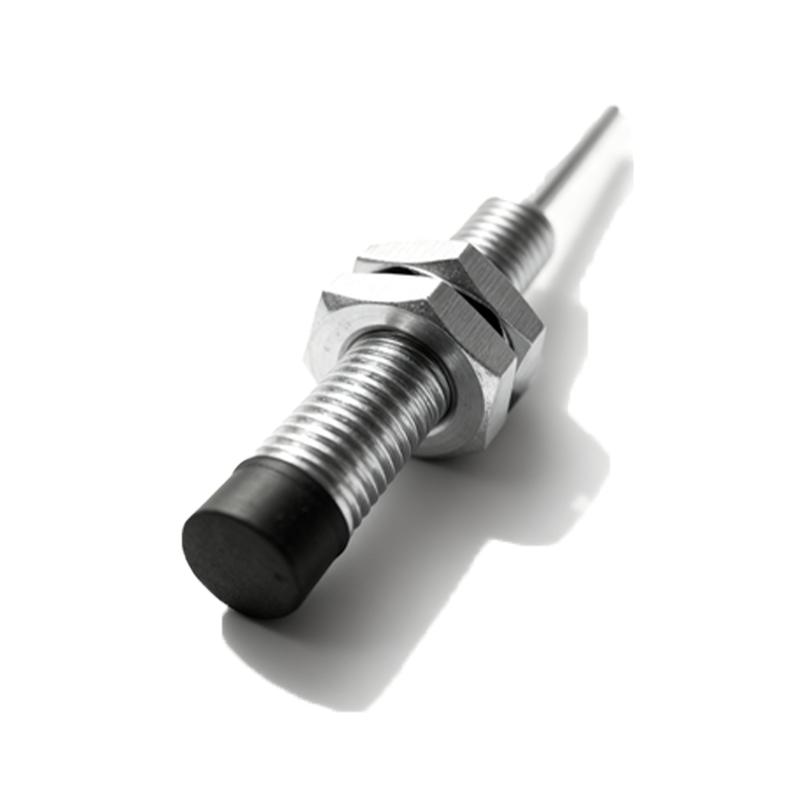
Core Features and Technical Specifications of the E2G Series
The E2G proximity sensor family boasts a range of features designed for robustness and precision. A key characteristic is its extended sensing distance compared to standard models, allowing for greater flexibility in machine design and installation. These sensors typically offer high switching frequencies, enabling the detection of rapidly moving objects on production lines. Constructed with stainless steel housings or ruggedized plastics, they provide excellent resistance to shock, vibration, and harsh chemicals commonly found in manufacturing settings. Many models within the E2G range are equipped with built-in surge and reverse polarity protection, safeguarding connected control systems from electrical faults. Furthermore, they often feature LED status indicators for easy diagnostics and maintenance.
Primary Operating Principles and Sensing Modes
The standard E2G inductive proximity sensor generates a high-frequency oscillating electromagnetic field from its sensing face. When a metallic object enters this field, eddy currents are induced on the surface of the target. This causes a change in the oscillation amplitude within the sensor's internal circuit. The sensor's electronics detect this change and trigger a solid-state output switch, sending a signal to a programmable logic controller (PLC) or other control device. Some specialized E2G variants may utilize different technologies, such as capacitive sensing for non-metallic materials or magnetic sensing for specific applications. Understanding the correct sensing mode is crucial for selecting the appropriate sensor for a given task.
Common Industrial Applications and Use Cases
The application spectrum for E2G proximity sensors is remarkably broad. In automotive assembly plants, they are used for precise positioning of robotic arms, part presence verification on conveyor belts, and end-of-stroke detection in actuators. Within the packaging industry, these sensors count products, control filling levels, and detect labels or caps. Machine tool manufacturers integrate them for tool breakage detection, spindle positioning, and workpiece clamping confirmation. Their robust design also makes them suitable for heavy machinery, such as monitoring the position of crane hooks or detecting the open/closed status of large valves. Essentially, any process requiring reliable, non-contact detection of metal objects can benefit from an E2G sensor.
Critical Factors for Sensor Selection and Installation
Selecting the right E2G sensor requires careful consideration of several parameters. The sensing distance, or rated operating distance, must be chosen with a safety margin to account for target material, size, and potential mechanical tolerances. The housing style (e.g., cylindrical, rectangular, or ring-shaped) must fit the physical constraints of the installation site. The output configuration—typically NPN (sinking) or PNP (sourcing)—must be compatible with the control system's input module. Environmental factors are paramount; sensors must have an appropriate IP (Ingress Protection) rating for dust and water resistance and withstand the ambient temperature range. Proper installation involves ensuring the sensor is securely mounted, free from vibration, and that adjacent metal structures (the "mounting metal") do not interfere with its sensing field, as this can reduce the effective sensing distance.
Installation Best Practices and Wiring Guidelines
Correct installation is essential for optimal sensor performance and longevity. It is recommended to follow the manufacturer's datasheet for specific mounting dimensions and clearances. Generally, sensors should be mounted firmly to prevent misalignment caused by machine vibration. When wiring, always disconnect power to the circuit. Use shielded cables in electrically noisy environments to prevent electromagnetic interference (EMI) from causing false triggers. The cable gland or connector must be properly sealed to maintain the sensor's IP rating. For DC sensors, strict attention must be paid to correct polarity. After installation, it is good practice to test the sensor with the actual target material under normal operating conditions to verify the set sensing distance is reliable.
Troubleshooting Common Issues and Maintenance
Despite their durability, E2G sensors can encounter issues. Common problems include failure to detect the target, intermittent operation, or constant output activation. Initial troubleshooting should involve checking the power supply voltage and current load. Inspect the sensor face for accumulation of metal chips, dirt,