Introduction to Photoelectric Sensor Aluminum Profiles
In the realm of industrial automation and control systems, photoelectric sensors are indispensable components for detecting the presence, absence, or distance of objects without physical contact. The housing and structural framework that protect and position these sensitive devices are equally critical. This is where specialized aluminum profiles come into play. Engineered from high-grade aluminum alloys, these extrusions are designed to offer a robust, lightweight, and precisely machined enclosure for various photoelectric sensor models. The integration of aluminum profiles ensures that sensors are securely mounted, properly aligned, and shielded from environmental hazards such as dust, moisture, and mechanical impact, thereby guaranteeing reliable performance in demanding factory settings.
Material Properties and Alloy Selection
The effectiveness of a photoelectric sensor housing begins with the material. Aluminum profiles for this application are typically fabricated from alloys such as 6061 or 6063. These alloys are chosen for their optimal balance of strength, corrosion resistance, and machinability. The natural oxide layer on aluminum provides excellent resistance to rust and chemical exposure, which is crucial in industrial environments where oils, coolants, or cleaning agents are present. Furthermore, aluminum's high thermal conductivity aids in dissipating any minimal heat generated by the sensor's electronic components, preventing overheating and ensuring long-term stability. The lightweight nature of aluminum also simplifies installation and reduces the overall load on machinery structures, a significant advantage in automated systems where weight and space are at a premium.
Design and Customization Capabilities
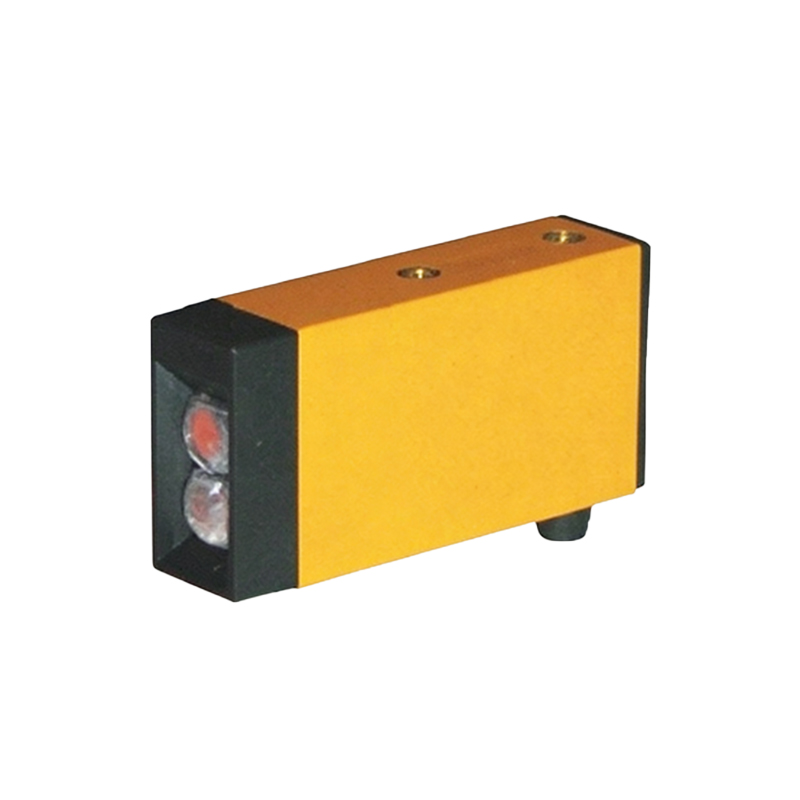
One of the standout features of aluminum extrusion technology is its flexibility in design. Profiles can be custom-engineered to meet the exact dimensional and functional requirements of specific photoelectric sensor families. This includes creating channels for cable management, slots for mounting brackets, grooves for sealing gaskets, and cavities to accommodate lens assemblies. The extrusion process allows for complex cross-sectional geometries that integrate multiple functions into a single piece, reducing assembly time and potential failure points. Additionally, surfaces can be anodized in various colors, not only for aesthetic coding of different sensor types but also to enhance surface hardness and wear resistance. Precision machining post-extrusion, such as drilling, tapping, and milling, ensures perfect fitment for sensor elements, connectors, and mounting hardware.
Integration and Mounting Solutions
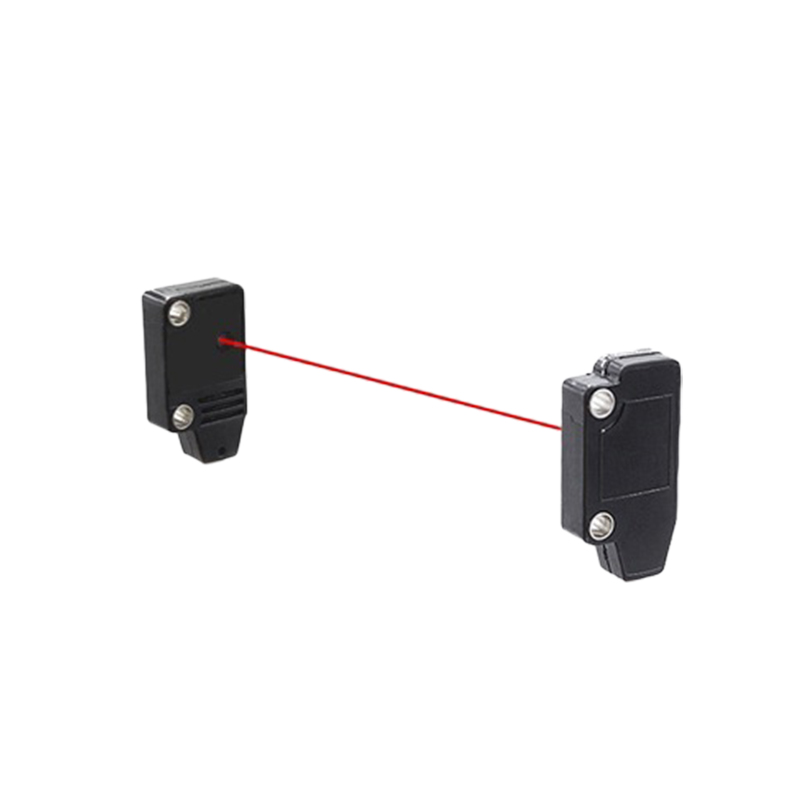
Proper installation is paramount for sensor accuracy. Aluminum profiles provide versatile and secure mounting solutions. Standard profiles often feature T-slots or dovetail grooves along their length, compatible with a vast ecosystem of industrial hardware like bolts, nuts, and brackets from major component suppliers. This modularity allows engineers to easily integrate the sensor assembly into larger machine frames, conveyor systems, or robotic cells. The rigidity of the aluminum profile prevents vibration-induced misalignment, a common cause of false sensor readings. For applications requiring precise beam alignment, profiles can be designed with adjustable mounting points or integrated spirit levels. The ability to create extended lengths or join multiple profiles enables the protection of sensor arrays or the creation of continuous sensing barriers for large-scale applications.
Environmental Protection and IP Ratings
Industrial sensors frequently operate in harsh conditions. Aluminum profiles play a key role in achieving high Ingress Protection (IP) ratings for the sensor assembly. When combined with appropriate seals, gaskets, and transparent polycarbonate or glass end-windows, the aluminum housing can safeguard sensitive optics and electronics from dust (IP6X) and high-pressure water jets (IPX9K). The material's inherent resistance to UV radiation and temperature fluctuations (-40°C to +80°C typically) ensures the housing does not degrade, crack, or warp over time, maintaining a consistent seal. For corrosive atmospheres, such as in chemical plants or food processing, specific anodizing treatments or powder coatings can be applied to the aluminum to provide an extra layer of defense.
Applications Across Industries
The use of photoelectric sensor aluminum profiles spans virtually every sector of modern manufacturing. In automotive assembly lines, they protect sensors that count parts, verify assembly steps, or ensure robot safety. In packaging machinery, housed sensors detect label positions, monitor fill levels, and control product flow on high-speed conveyors. The electronics industry relies on them for precise component placement on PCBs. In material handling and logistics, sensors within robust aluminum housings guide AGVs (Automated Guided Vehicles) and manage warehouse sorting systems. Their durability and reliability are also critical in food and beverage production, where washdown conditions are routine, and in pharmaceutical manufacturing, where cleanliness and precision are non-negotiable.
Future Trends and Innovations
As Industry 4.0 and smart factories evolve, so do the requirements for sensor housings. Future trends in aluminum profiles for photoelectric sensors include the integration of smart features, such as embedded channels for fiber optics or conduits for integrated IO-Link communication cables, reducing external wiring clutter. There is also a growing demand for miniaturized profiles to accommodate smaller, more powerful sensors used in collaborative robotics and compact machinery. The use of sustainable, recycled aluminum alloys is becoming more prominent, aligning with corporate environmental goals. Furthermore, advancements in extrusion and finishing technologies allow for even tighter tolerances and smoother surface finishes, which are essential for the next generation of high-precision, laser-based photoelectric sensors.
Conclusion
Photoelectric sensor aluminum profiles represent a critical fusion of materials science and practical engineering. They transform sensitive electronic components into rugged, reliable, and seamlessly integrable industrial assets. By providing superior protection, precise mounting, and design flexibility, these aluminum extrusions directly contribute to the uptime, accuracy, and efficiency of automated systems. For engineers and system integrators, specifying the right aluminum profile is not merely a mechanical consideration but a strategic decision that impacts the overall performance and longevity of the sensing solution. As automation complexity increases, the role of these purpose-engineered profiles will only grow in importance.