Introduction to Photoelectric Sensor Pricing
The question "How much does a photoelectric sensor cost?" is a common yet complex inquiry in the industrial automation and electrical engineering fields. The price is not a single figure but a spectrum influenced by a multitude of technical and commercial factors. For engineers and procurement specialists, understanding this pricing landscape is crucial for accurate budgeting, system design, and value engineering. The cost can range from under twenty dollars for a basic, standard-duty sensor to several hundred dollars or more for a highly specialized, ruggedized, or long-range unit. This guide will dissect the key variables that determine the final price, providing a framework for making informed purchasing decisions.
Core Technology and Sensing Modes
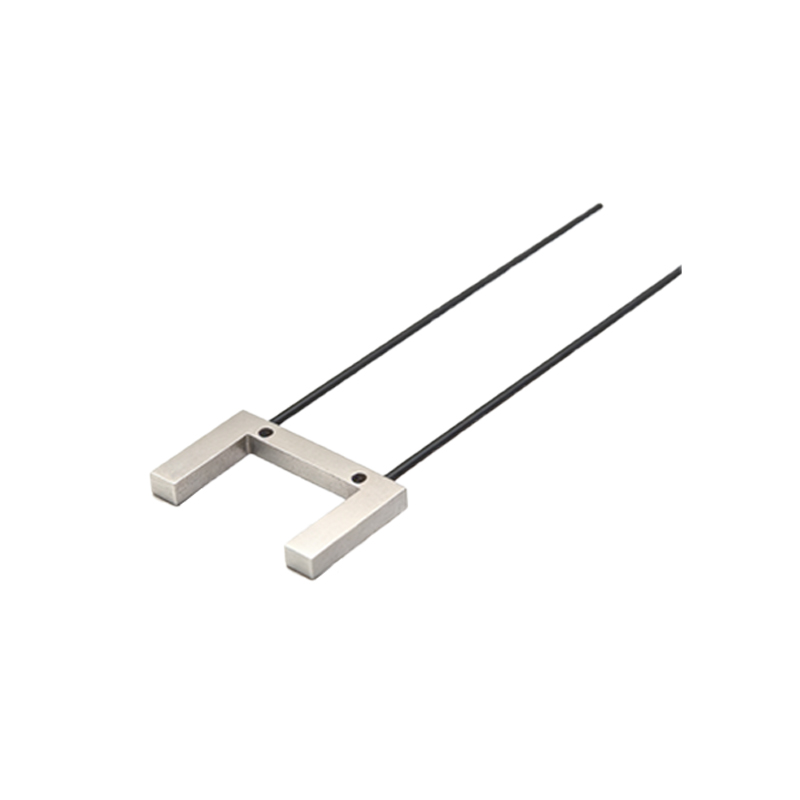
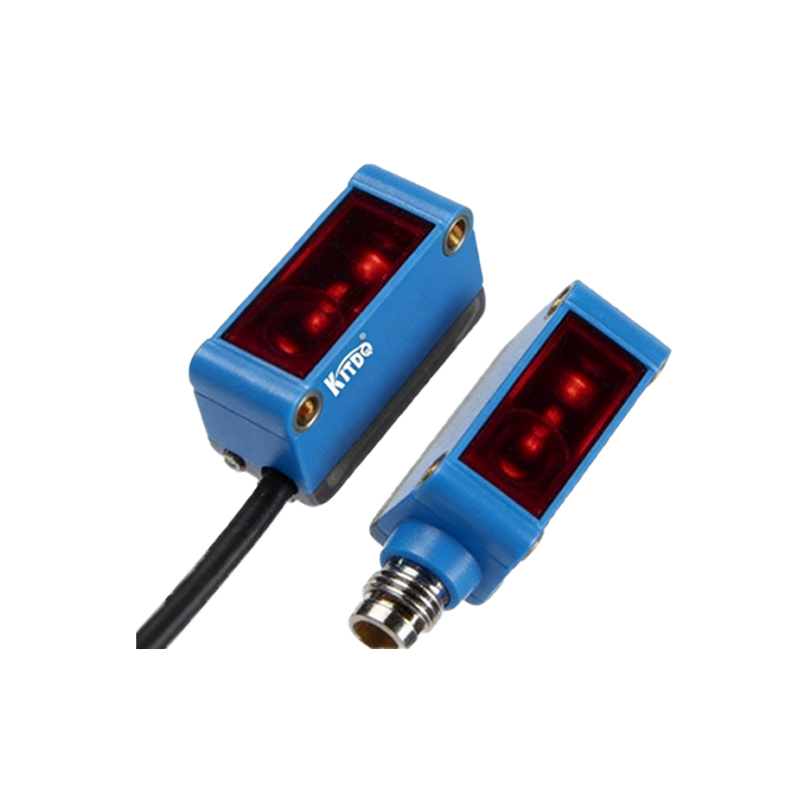
The fundamental technology and sensing mode are primary cost drivers. The three main types are through-beam, retro-reflective, and diffuse (proximity) sensors. Through-beam sensors, consisting of separate emitter and receiver units, often command a higher price due to the need for two housings and precise alignment, but they offer the longest range and highest reliability. Retro-reflective sensors, which use a reflector, typically fall in a mid-range price bracket. Diffuse sensors, with all components in a single housing, are generally the most cost-effective for short-range applications but may have higher-priced variants with background suppression or foreground suppression features. Advanced modes like background suppression, which uses triangulation to ignore objects beyond a set distance, add complexity and cost.
Performance Specifications and Range
Performance parameters directly correlate with price. Detection range is a significant factor; a sensor with a 10-meter range will cost substantially more than one with a 1-meter range, as it requires more powerful optics and electronics. Sensing accuracy, repeatability, and response time are also critical. High-speed sensors capable of microsecond responses for high-throughput packaging or assembly lines are premium products. The type of light source plays a role as well: standard red LED lights are economical, while specialized lasers for precise positioning or green/blue LEDs for detecting specific materials are more expensive. Infrared and ultraviolet light sources also carry a cost premium.
Enclosure Rating and Environmental Durability
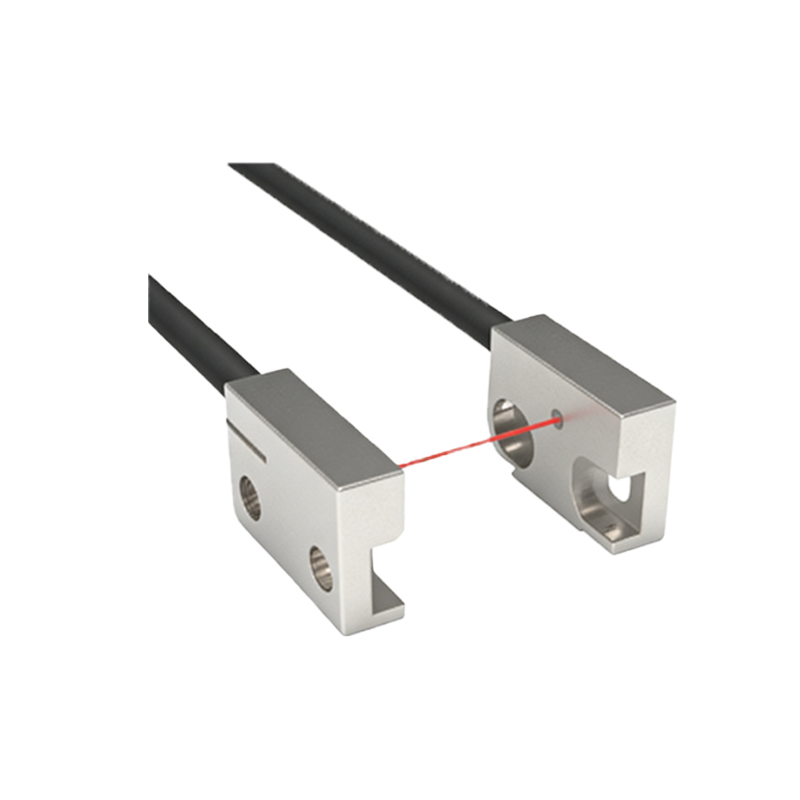
The operating environment dictates the required housing and protection, which impacts cost. A standard plastic (e.g., ABS) housing with an IP67 rating (dust-tight and protected against temporary immersion) is common and moderately priced. For harsh environments, sensors with stainless steel housings, higher IP ratings (IP68, IP69K), and certifications for washdown, extreme temperatures, or chemical resistance are necessary and more costly. Intrinsically safe sensors for hazardous locations (Class I, Div 1 or ATEX/IECEx zones) involve rigorous certification and specialized design, leading to a significant price increase. The build quality and material grade are reflected in the price.
Output Configuration and Electrical Interface
The electrical output type influences both the sensor's price and the overall system cost. Basic models offer simple discrete outputs: NPN (sinking) or PNP (sourcing) transistors. Analog output sensors (0-10V, 4-20mA), which provide continuous measurement data, are more complex and expensive. Digital communication interfaces add substantial functionality and cost. Sensors equipped with IO-Link provide rich diagnostic data, parameterization, and easy integration into Industry 4.0 systems. Profinet, EtherNet/IP, or other fieldbus-compatible sensors represent the high end of the price spectrum, incorporating network processors and protocol stacks.
Brand, Support, and Supply Chain Factors
Brand reputation and the associated ecosystem are non-technical but vital cost components. Established global brands (e.g., Sick, Banner Engineering, Omron, Keyence, Allen-Bradley) typically price their sensors higher, justified by proven reliability, extensive global technical support, comprehensive documentation, and long-term availability. Niche or value-oriented brands may offer competitive pricing for comparable specs. Furthermore, supply chain dynamics, such as lead times for custom configurations or market demand fluctuations, can affect price. Purchasing volume is a key lever; OEM discounts for large quantities can dramatically reduce the per-unit cost.
Typical Price Ranges and Application Examples
To provide concrete context, here are illustrative price ranges (in USD, list price) for common sensor types. A basic diffuse sensor with a 300mm range, plastic housing, and PNP output may cost $25-$50. A standard through-beam sensor with a 5m range and IP67 rating might range from $80-$150. A high-performance background suppression diffuse sensor for precise positioning could be $100-$250. A long-range (15m+) through-beam sensor with stainless steel housing for outdoor use may start at $200 and exceed $500. An IO-Link enabled sensor with advanced diagnostics typically adds a 20-40% premium over its standard counterpart. Laser-based alignment sensors or safety-rated light curtains represent specialized, high-cost categories.
Total Cost of Ownership Considerations
For engineers, the initial purchase price is only one part of the equation. The Total Cost of Ownership (TCO) is a more holistic metric. A slightly more expensive sensor from a reputable brand with high Mean Time Between Failure (MTBF) can save thousands in avoided downtime, maintenance labor, and production losses. Features like built-in diagnostics (via IO-Link or status LEDs) can reduce troubleshooting time. Compatibility with existing infrastructure (mounting systems, cabling, PLCs) also reduces integration costs. Therefore, evaluating reliability, support services, and lifecycle costs is essential for making the most economical choice in the long run.