Introduction to Proximity Switch Sensors
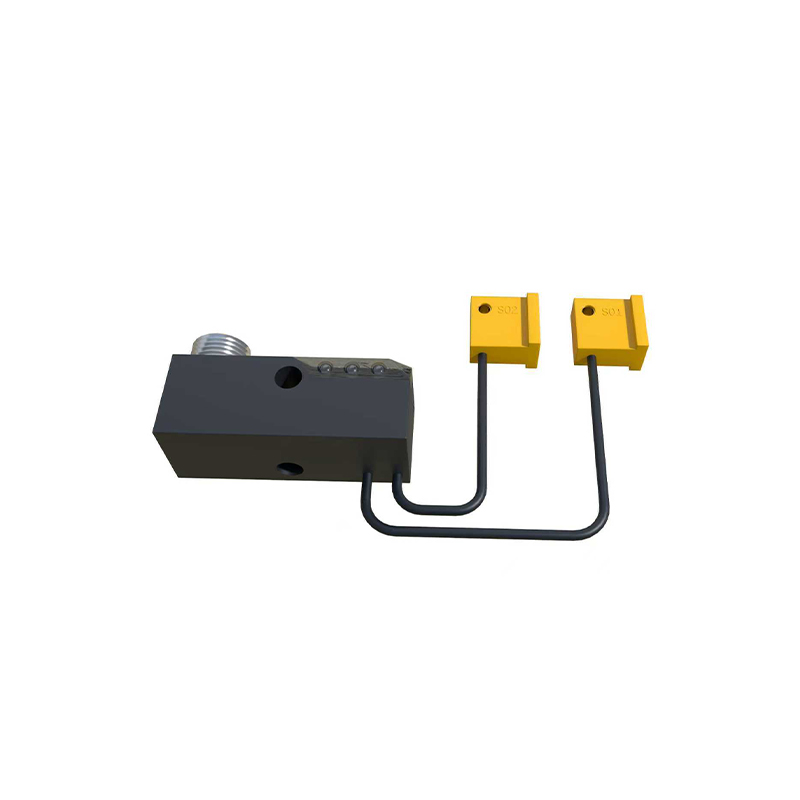
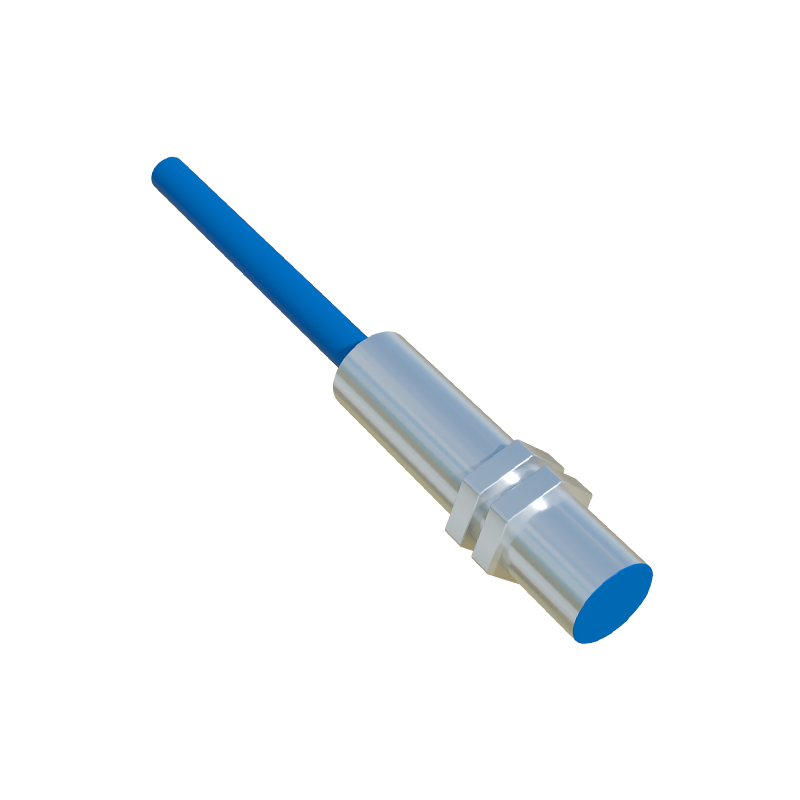
Proximity switch sensors are non-contact electronic devices designed to detect the presence or absence of an object within a specified range. Widely utilized in industrial automation, these sensors operate based on electromagnetic, capacitive, or inductive principles, offering high reliability and durability in harsh environments. Unlike mechanical switches, proximity sensors eliminate physical contact, reducing wear and tear and ensuring long-term operational stability. Their ability to function without direct interaction makes them ideal for applications requiring precise control, such as in manufacturing lines, robotics, and safety systems. Understanding the fundamental working mechanisms of these sensors is crucial for effective integration into control circuits, particularly when interfacing with relays for power management.
Working Principles of Proximity Sensors
Inductive proximity sensors, the most common type, generate an electromagnetic field to detect metallic objects. When a metal target enters this field, it induces eddy currents, causing a change in the sensor's oscillation amplitude. This alteration triggers the sensor's output circuit to switch states, typically from open to closed or vice versa. Capacitive sensors, on the other hand, detect both metallic and non-metallic materials by measuring changes in capacitance. Ultrasonic and photoelectric variants use sound waves or light beams for detection. Regardless of the type, the output signal—often a digital ON/OFF—can be directly used to control external devices like relays, enabling seamless automation without manual intervention.
Relay Fundamentals and Selection Criteria
A relay is an electromechanical or solid-state switch that controls a high-power circuit using a low-power signal from a sensor. It consists of a coil, an armature, and contacts. When the sensor output energizes the coil, it creates a magnetic field that moves the armature, closing or opening the contacts to manage larger loads. Selecting the appropriate relay involves considering factors such as coil voltage (matching the sensor output), contact rating (current and voltage capacity), switching speed, and environmental conditions. For proximity sensor applications, relays with low coil power consumption and high isolation are preferred to ensure compatibility and safety in industrial setups.
Circuit Design for Sensor-Relay Integration
Integrating a proximity switch sensor with a relay requires a well-designed control circuit. Typically, the sensor's output is connected to the relay coil through a series circuit. For inductive sensors with NPN or PNP outputs, wiring must align with the relay's coil specifications. Protection components, such as flyback diodes, are essential to suppress voltage spikes from the coil during de-energization, preventing damage to the sensor. Additionally, using optocouplers can provide electrical isolation between the sensor and relay, enhancing noise immunity in electrically noisy environments. Proper grounding and shielding further improve reliability, ensuring stable operation in complex automation systems.
Practical Applications in Industrial Automation
In industrial settings, proximity sensor-controlled relays are employed for various tasks, including machine safety, conveyor belt control, and material handling. For instance, a sensor can detect the position of a robotic arm and trigger a relay to stop a motor, preventing collisions. In packaging lines, sensors monitor product presence and activate relays to control sorting mechanisms. These setups enhance efficiency, reduce downtime, and improve workplace safety by automating repetitive processes. Case studies show that integrating sensors with relays can lead to significant cost savings and increased productivity, making it a cornerstone of modern electrical engineering.
Troubleshooting and Maintenance Tips
Common issues in sensor-relay systems include false triggering, relay chatter, or complete failure. To troubleshoot, start by checking power supplies and wiring connections for loose or corroded terminals. Verify the sensor's detection range and alignment, as misplacement can cause inconsistent outputs. Test the relay coil with a multimeter to ensure it receives the correct voltage from the sensor. Regular maintenance involves cleaning sensor faces to prevent debris accumulation, inspecting relay contacts for wear, and updating firmware if using programmable sensors. Implementing preventive measures, such as periodic calibration and environmental monitoring, extends system lifespan and minimizes unexpected breakdowns.
Future Trends and Innovations
Advancements in proximity sensor technology are driving smarter control systems. The integration of IoT capabilities allows sensors to communicate data wirelessly to relays equipped with microcontrollers, enabling predictive maintenance and real-time adjustments. Solid-state relays (SSRs) are gaining popularity due to their faster switching speeds and lack of moving parts, offering enhanced durability when paired with sensors. Additionally, miniaturized sensors with higher precision are facilitating more compact and energy-efficient designs. As Industry 4.0 evolves, the synergy between sensors and relays will continue to support autonomous operations, contributing to smarter factories and optimized electrical networks.