Introduction to Photoelectric Sensor Technology
Photoelectric sensors are indispensable components in modern industrial automation, serving as the eyes of countless machines and systems. These devices operate by emitting a light beam, typically from an LED or laser diode, and detecting changes in the received light signal caused by the presence, absence, or distance of a target object. The core principle relies on the photoelectric effect, where light energy is converted into an electrical signal. This technology enables non-contact detection, offering significant advantages over mechanical limit switches, including higher speed, longer sensing ranges, minimal wear and tear, and the ability to sense a vast array of materials. From simple on/off detection in packaging lines to precise distance measurement in robotics and intricate color recognition in sorting systems, photoelectric sensors form the backbone of efficient, reliable, and intelligent manufacturing processes. Their versatility and robustness make them critical for applications demanding high precision and repeatability in challenging industrial environments.
Key Selection Criteria for Industrial Applications
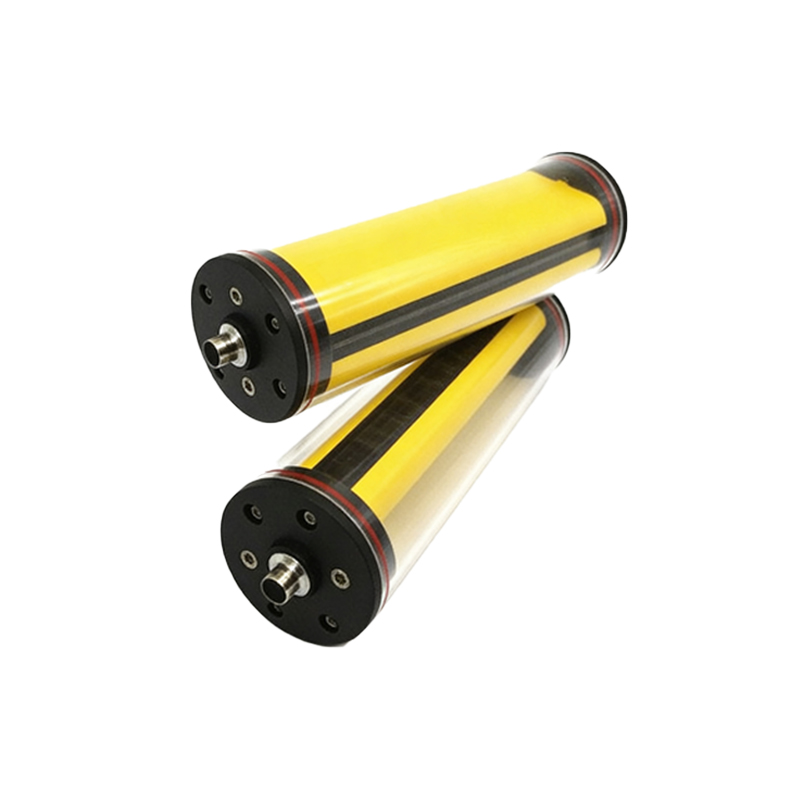
Choosing the right photoelectric sensor from a manufacturer requires a meticulous evaluation of several technical and environmental parameters. The primary consideration is the sensing mode: through-beam, retro-reflective, diffuse, or background suppression. Through-beam models offer the longest range and highest reliability but require separate emitter and receiver units. Retro-reflective types use a reflector, simplifying installation. Diffuse sensors detect the light reflected directly from the target, while background suppression variants can ignore objects beyond a set distance. Other crucial factors include sensing range, required response time, light source type (visible red, infrared, laser), output configuration (PNP/NPN, analog, IO-Link), and housing material. Environmental resilience is paramount; specifications for Ingress Protection (IP) ratings, temperature tolerance, and resistance to chemicals, vibration, and electrical noise must align with the operational conditions. A reputable manufacturer provides detailed datasheets and application engineers to guide this selection process, ensuring optimal performance and longevity.
Leading Global Photoelectric Sensor Manufacturers
The market for photoelectric sensors is served by several established global leaders, each with distinct strengths and specializations. Companies like Omron, Sick, and Keyence are renowned for their innovation, offering extensive portfolios with high-performance sensors featuring advanced functionalities like precise background suppression, ultra-miniature designs, and integrated connectivity for Industry 4.0. Banner Engineering and Balluff excel in providing robust, reliable sensors for harsh environments and have strong presences in material handling and automotive industries. Pepperl+Fuchs is a leader in intrinsic safety and explosion-proof sensors for hazardous areas. Meanwhile, manufacturers like Schneider Electric and Rockwell Automation offer photoelectric sensors as part of comprehensive automation suites, ensuring seamless integration with their PLCs and control systems. The choice among these leaders often depends on specific application needs, regional support, and existing automation architecture within a facility.
Innovation and Future Trends in Sensor Manufacturing
Innovation among photoelectric sensor manufacturers is rapidly evolving to meet the demands of smart factories and the Industrial Internet of Things (IIoT). A significant trend is the integration of IO-Link communication, a point-to-point serial protocol that transforms standard sensors into intelligent devices. IO-Link enables parameter setting, real-time diagnostics, and process data monitoring, facilitating predictive maintenance and reducing downtime. Furthermore, manufacturers are developing sensors with enhanced data processing capabilities, such as measuring multiple points on an object or detecting subtle contrasts. The miniaturization of components continues, allowing for smaller sensor housings that fit into increasingly compact machinery. Another frontier is the development of sensors with integrated artificial intelligence for advanced classification tasks. As industries move towards greater digitalization, photoelectric sensor manufacturers are pivotal in providing the essential, intelligent data points that drive efficiency and autonomy in production systems.
Ensuring Quality and Reliability in Production
The reliability of a photoelectric sensor is a direct result of the manufacturer's commitment to quality control throughout the production process. Top-tier manufacturers implement rigorous testing protocols at multiple stages, from component sourcing to final assembly. This includes burn-in testing under elevated temperatures to identify early failures, precision calibration of optical elements, and comprehensive functional tests that simulate real-world conditions like varying target reflectivity, ambient light interference, and electrical load. Adherence to international standards such as ISO 9001 for quality management and specific product certifications (e.g., UL, CE) is a baseline expectation. Furthermore, robust design practices—such as using high-grade optical plastics, precision-molded housings, and superior sealing techniques—ensure the sensor can withstand mechanical stress, thermal cycling, and contaminant ingress. Investing in sensors from manufacturers with a proven track record in quality assurance minimizes the risk of line stoppages and maintenance costs, safeguarding overall equipment effectiveness (OEE).