Understanding Water-Based Proximity Sensors
Water-based proximity sensors represent a significant advancement in industrial sensing technology, specifically designed for environments where traditional sensors fail. Unlike standard inductive or capacitive sensors, these units utilize the unique dielectric properties of water or water-based liquids for detection. The core principle involves generating a high-frequency electromagnetic field. When a water-based medium enters this field, it causes a measurable change in oscillation or capacitance, which the sensor's circuitry interprets as a detection event. This makes them exceptionally reliable for applications involving bottles, containers, or pipelines filled with water, coolants, emulsified oils, or other aqueous solutions. Their primary advantage lies in their immunity to false triggers from air, steam, or non-aqueous targets, ensuring precise and stable operation in challenging, humid, or liquid-rich settings common in food & beverage, pharmaceutical, and chemical processing.
Key Selection Criteria for Industrial Buyers
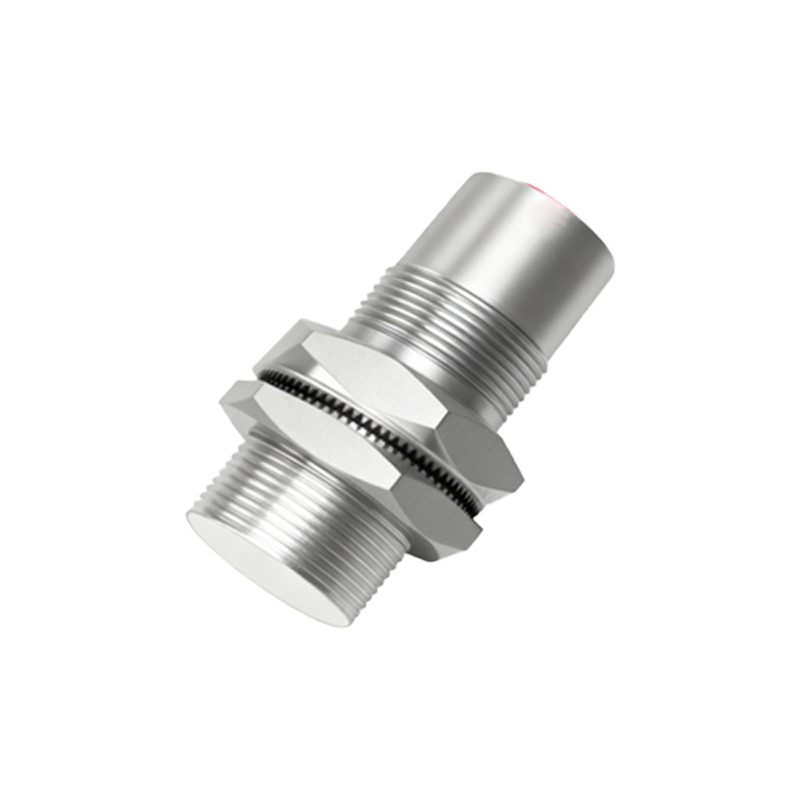
Selecting the right water-based proximity sensor requires a meticulous evaluation of several technical and application-specific parameters. First, consider the sensing distance, which is typically shorter than standard sensors due to the nature of the medium. The material of the sensing face, often PEEK or high-grade stainless steel, is critical for chemical resistance and hygiene, especially in washdown environments. The output type (PNP/NPN analog or digital) must be compatible with the existing PLC or control system. Environmental ratings are non-negotiable; look for IP67, IP68, or IP69K ratings for protection against water and dust ingress. Additionally, temperature range, response time, and the ability to ignore foam or bubbles are vital for process stability. A reputable supplier will provide detailed datasheets and application support to guide this selection, ensuring the sensor integrates seamlessly into the production line.
Leading Global Suppliers and Their Specializations
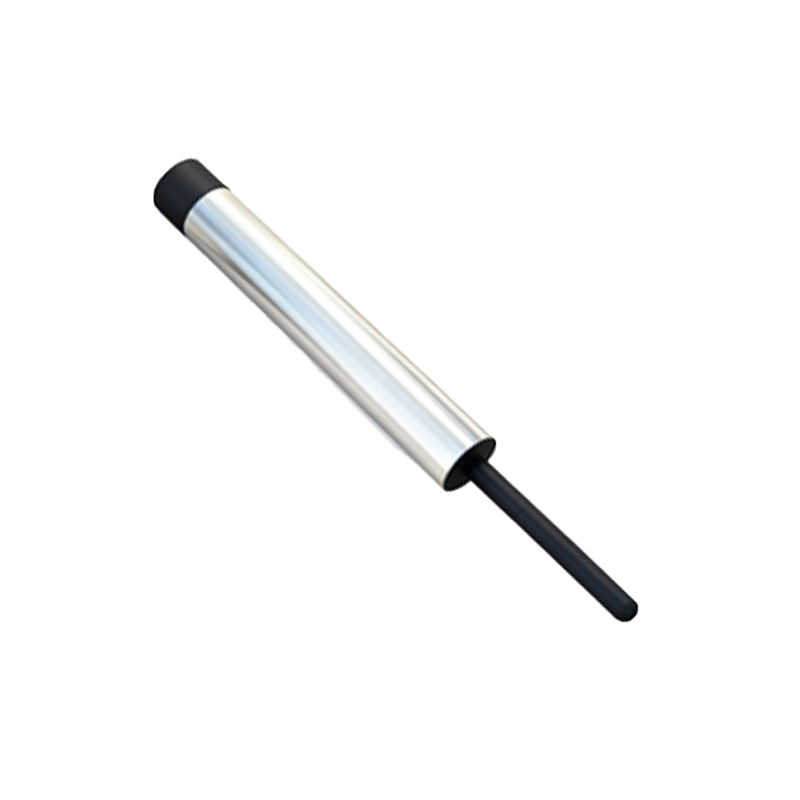
The market for water-based proximity sensors is served by several established global players, each with distinct strengths. Companies like ifm electronic and SICK AG are pioneers, offering robust sensor families with advanced diagnostics and IO-Link communication for Industry 4.0 readiness. Balluff GmbH specializes in high-precision sensors for hygienic and packaging applications, often featuring patented technologies for stable detection despite surface foam. Pepperl+Fuchs provides a wide portfolio with exceptional durability for harsh chemical environments. For cost-effective solutions without compromising core reliability, Turck and Omron offer competitive models. When evaluating suppliers, assess their global support network, technical documentation quality, and willingness to provide custom solutions or testing samples for specific use cases.
Critical Applications Across Major Industries
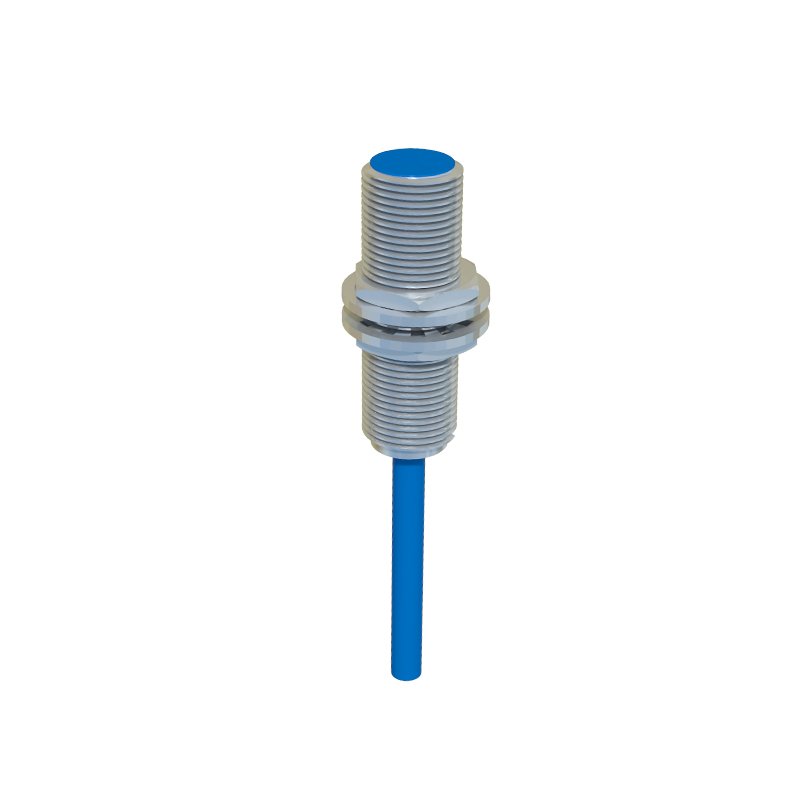
The application scope for water-based proximity sensors is vast and critical to modern automation. In the food and beverage industry, they are indispensable for detecting fill levels in transparent bottles of water, juice, or beer on high-speed bottling lines, ensuring no empty containers proceed to capping. Pharmaceutical plants use them to verify the presence of liquid in vials or IV bags. In chemical processing, they monitor coolant levels or detect interfaces between different aqueous solutions. Automotive manufacturing relies on them to control the application of water-based adhesives or paints. Their ability to function reliably where optical sensors are blinded by condensation or where standard capacitive sensors are oversensitive makes them a cornerstone technology for improving efficiency and reducing waste.
Installation Best Practices and Maintenance
Proper installation is paramount for optimal sensor performance. Mount the sensor securely to minimize vibration, which can affect signal stability. The sensing face must be positioned parallel to the surface of the liquid or container for consistent detection. Maintain the recommended sensing distance, as specified in the datasheet, and account for any tank or pipe wall thickness if detecting through a barrier. Avoid mounting near strong electromagnetic interference sources like large motors or frequency converters. Maintenance is generally minimal due to the non-contact nature of the technology. Regular checks should involve cleaning the sensing face of any residue or buildup and verifying the electrical connections. Implementing a predictive maintenance routine, often facilitated by sensors with built-in condition monitoring, can prevent unplanned downtime.
Future Trends and Technological Advancements
The future of water-based proximity sensing is intertwined with the evolution of smart factories. The integration of IO-Link communication is becoming standard, allowing for remote parameter configuration, real-time process data monitoring, and advanced diagnostics directly to the control system. Miniaturization of sensor housings enables installation in increasingly tight spaces. Furthermore, advancements in signal processing algorithms are enhancing selectivity, allowing sensors to better distinguish between different water-based media or ignore specific contaminants. Suppliers are also focusing on developing sensors with wider temperature tolerances and enhanced resistance to aggressive cleaning chemicals to meet the stringent demands of next-generation automated facilities. Partnering with a supplier actively investing in R&D ensures access