Introduction to Proximity Sensing in Robotics
Proximity sensors are fundamental components in robotic systems, enabling machines to detect the presence or absence of objects within a defined range without physical contact. These sensors provide critical data for navigation, object manipulation, safety, and automated decision-making. In industrial automation, proximity switches ensure precise positioning of robotic arms, prevent collisions, and facilitate complex assembly tasks. The evolution of sensor technology has significantly enhanced robotic perception, allowing for more adaptive and intelligent operations in dynamic environments. From simple on/off detection to measuring precise distances, proximity sensors form the sensory layer that bridges the robotic controller and the physical world.
Primary Types of Proximity Sensors
Several proximity sensor technologies are prevalent in robotics, each with distinct operating principles and optimal use cases. Inductive proximity sensors are widely used for detecting metallic objects. They generate an electromagnetic field and sense changes caused by conductive materials, making them ideal for metal detection in manufacturing robots. Capacitive proximity sensors can detect both metallic and non-metallic objects, including liquids and powders, by measuring changes in capacitance. They are suitable for material handling and packaging applications. Ultrasonic sensors emit sound waves and calculate distance based on the time-of-flight of the reflected signal, excelling in longer-range detection and level sensing. Optical sensors, including photoelectric and infrared types, use light beams to detect objects, offering high precision and fast response for positioning and counting tasks.
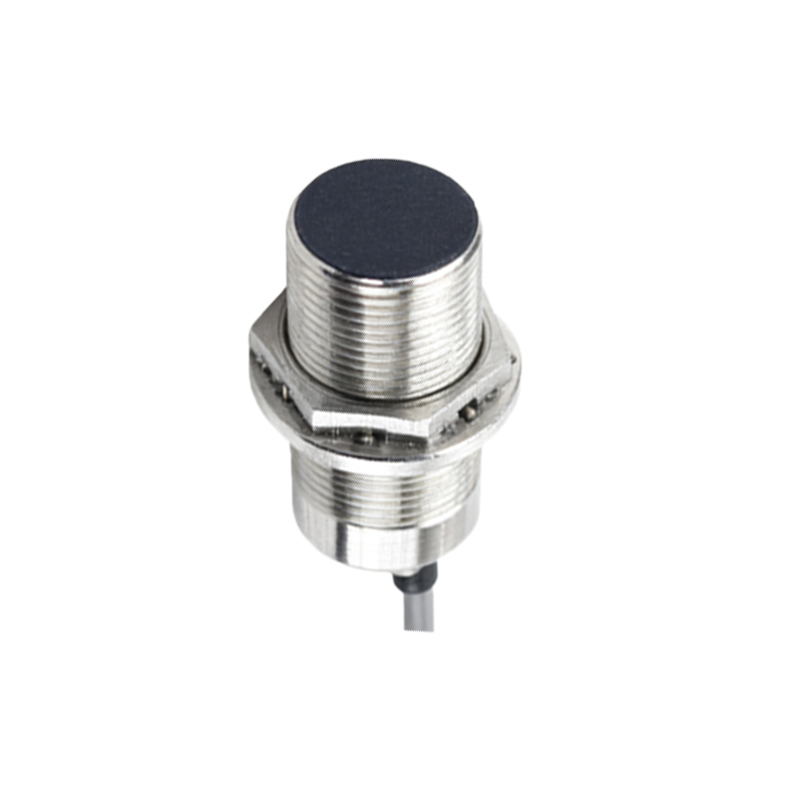
Key Applications in Robotic Systems
The integration of proximity switches into robotic systems enables a multitude of critical functions. In collaborative robotics (cobots), these sensors are essential for safety, creating protective fields that immediately halt robot motion when a human operator enters a predefined zone. For robotic arms in assembly lines, inductive or capacitive sensors provide end-of-arm tooling (EOAT) with feedback for precise part picking, placement, and screw driving. Autonomous mobile robots (AMRs) rely heavily on ultrasonic and optical sensors for obstacle avoidance, cliff detection, and navigation in warehouse environments. In welding robots, proximity sensors ensure the torch is correctly positioned relative to the workpiece, while in painting robots, they maintain optimal spray distance for consistent coating quality.
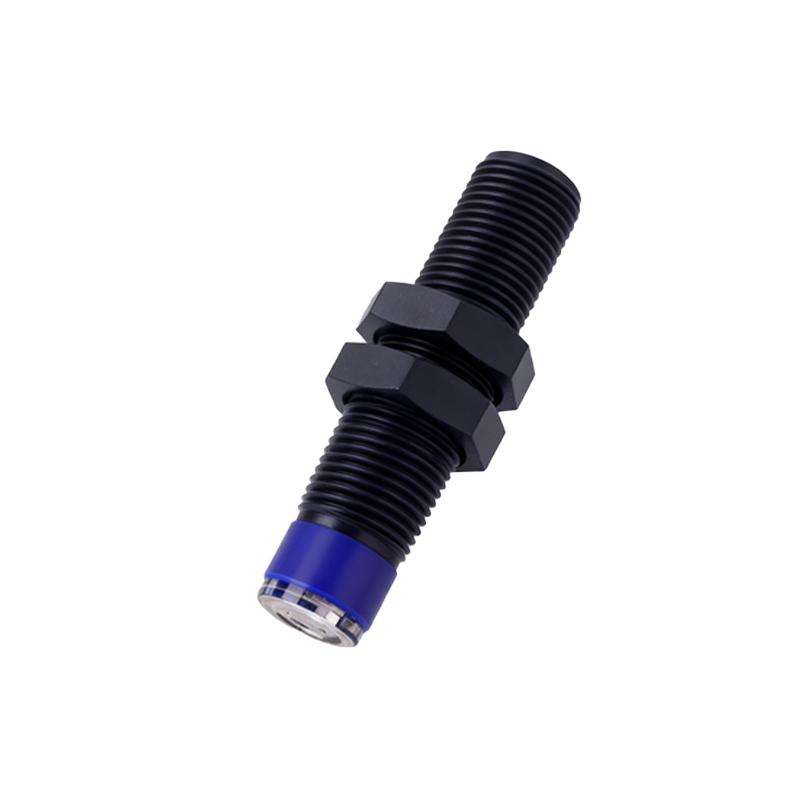
Technical Specifications and Performance Factors
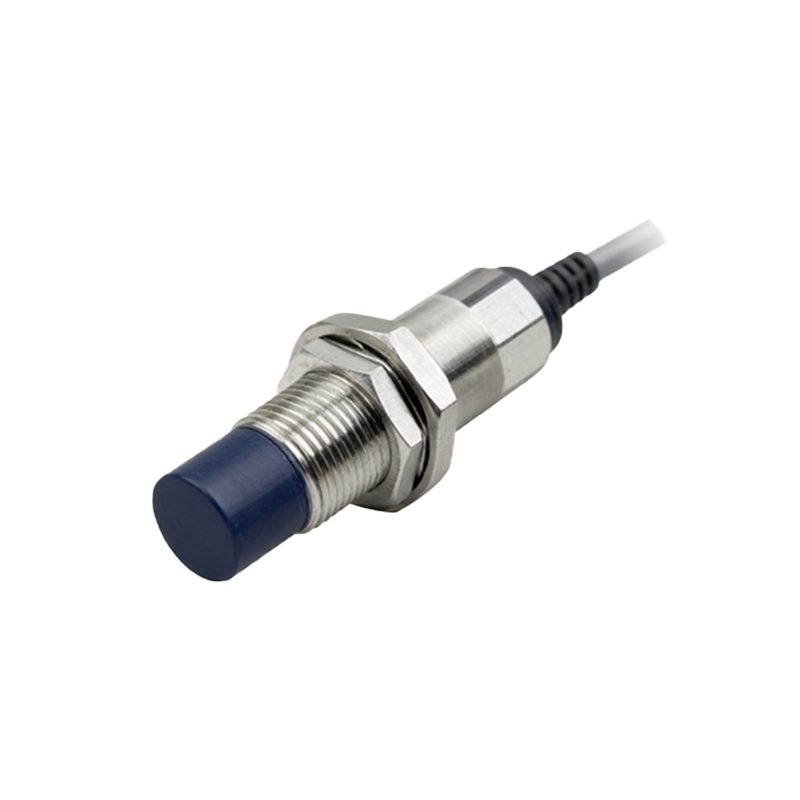
Selecting the appropriate proximity sensor requires careful analysis of technical parameters. Sensing range, typically specified in millimeters, defines the maximum distance at which an object can be reliably detected. Repeat accuracy indicates the sensor's consistency in returning to the same measured value under identical conditions. Response time, often in milliseconds, is crucial for high-speed robotic applications. Environmental factors such as temperature extremes, humidity, dust, oil, and electromagnetic interference (EMI) must be considered, as they can affect sensor performance. The housing material (e.g., stainless steel, PBT plastic) and ingress protection (IP) rating determine durability and suitability for harsh industrial settings. Output types, including NPN/PNN transistors, analog voltage/current, or IO-Link digital communication, define how the sensor interfaces with the robot controller.
Selection Guidelines for Engineers
Engineers must follow a systematic approach to choose the optimal proximity switch for a robotic application. First, identify the target material composition (metal, plastic, liquid) to narrow down the sensor technology. Determine the required sensing distance and mounting constraints within the robot's mechanical design. Evaluate the operating environment for potential contaminants, washdown requirements, or explosive atmospheres that may necessitate specialized housings. Consider the required output signal and compatibility with the existing robot PLC or controller. For applications involving small or fast-moving objects, prioritize sensors with high switching frequency and minimal dead zones. Always consult manufacturer datasheets and, when possible, conduct real-world testing with the actual target objects and under expected environmental conditions to validate performance.
Installation and Maintenance Best Practices
Correct installation is paramount for reliable sensor operation. Ensure proper alignment between the sensor face and the target path, avoiding angled approaches that can reduce effective sensing range. Maintain the recommended clearance from metal mounting surfaces or adjacent sensors to prevent mutual interference. Secure wiring with strain relief and use shielded cables in areas with high EMI. For maintenance, establish a regular inspection schedule to check for physical damage, buildup of contaminants on the sensing face, and secure connections. Calibration may be necessary for analog or measuring sensors to compensate for drift over time. Implementing predictive maintenance by monitoring sensor signal trends can help identify degradation before failure, minimizing unplanned robotic cell downtime.
Future Trends and Advancements
The future of proximity sensing in robotics is driven by miniaturization, intelligence, and integration. Sensors are becoming smaller, allowing embedding into tighter spaces within robotic grippers and joints. The adoption of IO-L