Introduction to Stainless Steel Photoelectric Sensors
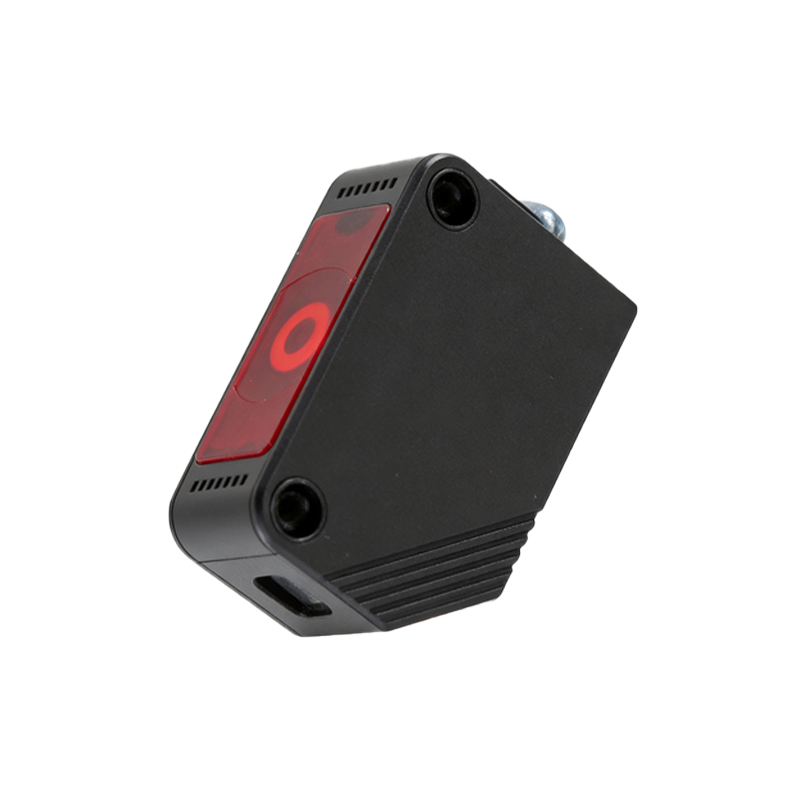
Stainless steel photoelectric sensors are specialized devices designed to detect the presence, absence, or position of objects using light beams. Unlike standard plastic or aluminum-housed sensors, these units are constructed from high-grade stainless steel, offering exceptional resistance to harsh environmental conditions. They operate on the principle of emitting a light beam—typically infrared, visible red, or laser—and analyzing the reflected or interrupted signal. This technology is fundamental in automation, providing non-contact sensing for tasks ranging from object counting on conveyor belts to precise positioning in assembly lines. The robust metal housing not only protects internal electronic components but also ensures reliable performance in demanding sectors such as food processing, pharmaceuticals, and heavy machinery.
Key Advantages and Material Properties
The primary benefit of stainless steel photoelectric sensors lies in their durability. The 316 or 304 stainless steel enclosures provide superior corrosion resistance against water, chemicals, oils, and extreme temperatures. This makes them ideal for washdown environments in food and beverage plants, where frequent cleaning with high-pressure sprays or caustic agents is common. Additionally, the metal housing offers high mechanical strength, protecting against physical impacts and vibrations often encountered in manufacturing settings. These sensors also feature high ingress protection ratings, such as IP67 or IP69K, ensuring dust-tight and waterproof operation. Their longevity reduces maintenance costs and downtime, contributing to overall operational efficiency in industrial systems.
Operating Modes and Technical Specifications
Stainless steel photoelectric sensors are available in various operating modes to suit diverse application needs. The through-beam mode involves separate emitter and receiver units, offering long sensing ranges and high accuracy for detecting opaque objects. Retro-reflective mode uses a single unit with a reflector, suitable for medium-range detection, while diffuse reflective mode relies on light bouncing directly off the target, ideal for close-range tasks. Key technical specifications include sensing distance, response time, light source type, and output configuration. Many models feature adjustable sensitivity, teach-in functions for easy setup, and programmable logic for complex detection scenarios. Advanced versions incorporate IO-Link communication for real-time data exchange and diagnostics within Industry 4.0 frameworks.
Applications in Industrial Environments
These sensors are extensively deployed across industries where hygiene and resilience are critical. In packaging lines, they detect misaligned labels or missing caps on containers. Automotive manufacturers use them for robotic guidance and part verification. In pharmaceutical production, they ensure precise filling levels in sterile environments. Their stainless steel construction is particularly valuable in outdoor installations, marine applications, or areas with exposure to corrosive gases. By enabling accurate, non-contact detection, they enhance safety, quality control, and process automation. Integration with PLCs and control systems allows for seamless monitoring and adjustment, supporting lean manufacturing and reducing waste.
Selection Criteria and Installation Tips
Choosing the right stainless steel photoelectric sensor requires evaluating environmental factors, target properties, and performance needs. Consider the chemical exposure, temperature range, and required hygiene standards. The target’s size, color, material, and surface reflectivity influence the choice of sensing mode and light source. For instance, a polarized retro-reflective sensor may be necessary for shiny objects to avoid false triggers. During installation, ensure proper alignment, avoid optical interference from ambient light or reflective backgrounds, and follow manufacturer guidelines for mounting and wiring. Regular maintenance, such as lens cleaning and functional checks, helps sustain optimal performance. Many sensors now offer diagnostic LEDs or digital indicators to simplify troubleshooting.
Future Trends and Innovations
The evolution of stainless steel photoelectric sensors is driven by smart manufacturing demands. Emerging trends include miniaturization of housings without compromising durability, integration of multi-functional sensing capabilities, and enhanced connectivity via industrial Ethernet protocols. Energy-efficient designs with lower power consumption are gaining prominence. Additionally, sensors with embedded intelligence can perform self-monitoring, predict maintenance needs, and adapt to changing conditions autonomously. As industries prioritize sustainability and efficiency, these robust sensors will continue to play a pivotal role in enabling resilient, automated operations worldwide.