Laser displacement sensors have become indispensable tools across various industries due to their high precision, non-contact measurement capabilities, and rapid response times. These sensors operate by emitting a laser beam toward a target surface and analyzing the reflected light to determine distance or displacement with micron-level accuracy. One of the primary applications is in automotive manufacturing, where they are used to inspect component dimensions, monitor assembly line alignment, and ensure the quality of critical parts such as engine blocks and brake discs. For instance, during the production of vehicle bodies, laser sensors verify panel gaps and flushness, contributing to both safety and aesthetic standards.
In the electronics sector, laser displacement sensors play a crucial role in PCB (printed circuit board) inspection. They measure the height and coplanarity of surface-mounted components, detecting soldering defects or misalignments that could lead to device failure. This application is vital for maintaining the reliability of smartphones, computers, and medical devices. Additionally, in semiconductor fabrication, these sensors monitor wafer thickness and flatness during polishing processes, ensuring uniformity for microchip performance.
The aerospace industry relies on laser sensors for rigorous quality control. They are employed to measure turbine blade profiles, inspect aircraft fuselage contours, and monitor wing deformation under stress tests. By providing real-time data, these sensors help prevent structural flaws that could compromise flight safety. Similarly, in renewable energy, laser displacement sensors assist in the manufacturing of wind turbine blades by tracking surface smoothness and dimensional accuracy, which directly impacts energy efficiency.
Another growing application is in robotics and automation. Laser sensors enable robots to perform precise pick-and-place operations, navigate environments, and conduct 3D scanning for object recognition. In logistics, they measure parcel dimensions for automated sorting systems, optimizing warehouse efficiency. Furthermore, the construction sector utilizes laser sensors for monitoring structural displacements in bridges or buildings, detecting subtle shifts that may indicate potential hazards.

In medical technology, laser displacement sensors contribute to the production of prosthetics and implants by capturing detailed anatomical shapes for custom fittings. They also aid in pharmaceutical packaging inspection, ensuring seal integrity and tablet count accuracy. Research laboratories use these sensors for material analysis, such as measuring thermal expansion or vibration patterns in experimental setups.
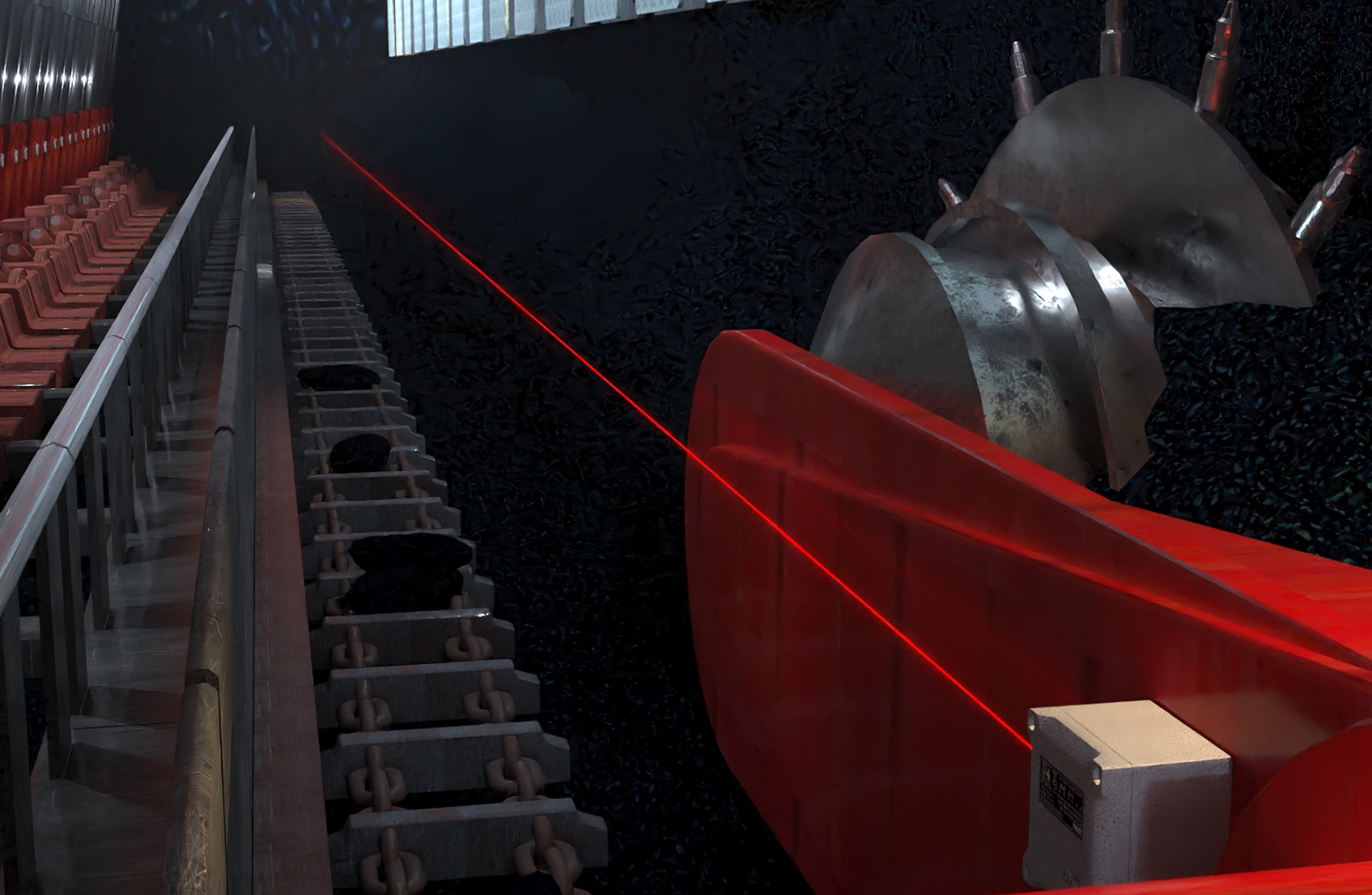
Despite their advantages, challenges like environmental interference (e.g., dust or ambient light) require proper calibration and protective housing. Advances in sensor technology, including blue laser variants for improved accuracy on organic surfaces and integrated AI for data analysis, are expanding their applicability. Overall, laser displacement sensors enhance productivity, reduce waste, and support innovation by delivering reliable measurements in dynamic industrial environments. Their versatility continues to drive adoption in fields ranging from heavy machinery to consumer goods, underscoring their role as a cornerstone of modern precision engineering.