In modern industrial automation and electronic device manufacturing, proximity sensors play a critical role in detecting the presence or absence of objects without physical contact. The reliability and longevity of these sensors heavily depend on the quality of their electrical connections, making the welding process a pivotal step in production. This article delves into the intricacies of proximity sensor welding, exploring common techniques, prevalent challenges, and industry best practices to ensure optimal performance.
Proximity sensors, including inductive, capacitive, and photoelectric types, typically consist of a sensing element, circuitry, and connection terminals. Welding is primarily used to attach lead wires or pins to these terminals, creating a permanent, low-resistance electrical joint. The most widely employed welding methods are resistance welding and laser welding. Resistance welding, often using spot or micro-welding techniques, applies pressure and electrical current to fuse materials at the contact point. It is favored for its speed and cost-effectiveness, especially for high-volume production of sensors with metal housings or terminals. Laser welding, on the other hand, offers a non-contact, high-precision alternative. It directs a concentrated beam of light to melt and join materials, making it ideal for delicate sensors, miniaturized components, or applications requiring exceptionally clean and precise seams with minimal heat-affected zones.
The choice of welding technique is dictated by several factors. Material compatibility is paramount. Sensor terminals are often made from alloys like brass, phosphor bronze, or nickel-plated steel, while lead wires may be tinned copper. Each material combination has specific thermal conductivity and melting points, requiring tailored welding parameters. The sensor's size and design also influence the process; compact SMD (Surface Mount Device) sensors demand more precise energy control than larger tubular models. Furthermore, the operational environment of the final product must be considered. Sensors destined for high-vibration machinery, extreme temperatures, or corrosive atmospheres need welds with superior mechanical strength and environmental sealing, which might necessitate post-weld processes like conformal coating.
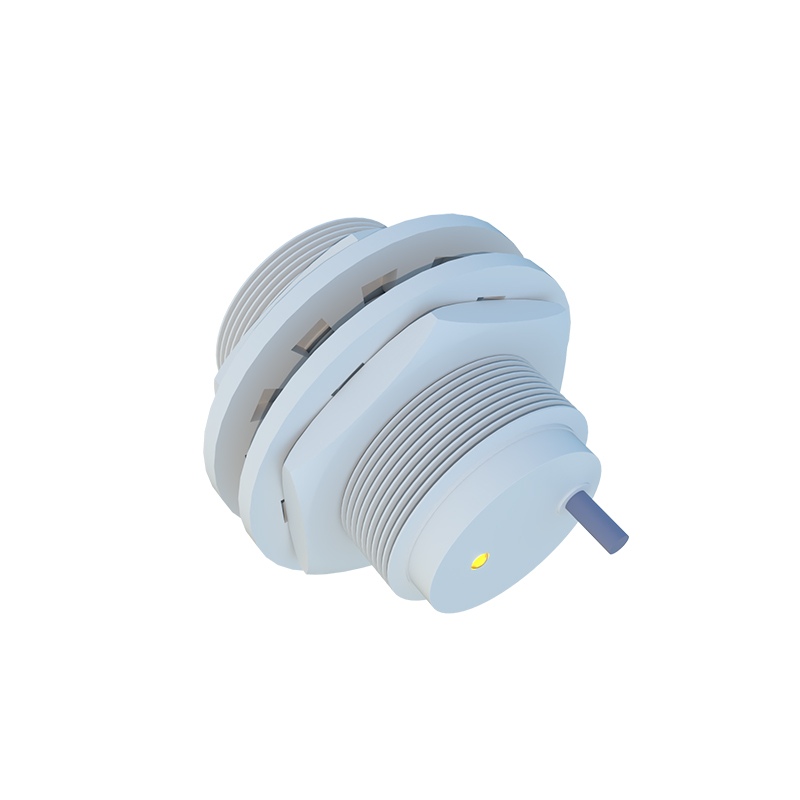
Despite advanced equipment, several challenges persist in proximity sensor welding. Thermal damage is a primary concern. Excessive heat can degrade the sensitive semiconductor components within the sensor, leading to calibration drift or complete failure. Engineers must carefully balance weld strength with thermal input. Inconsistent weld quality, manifesting as weak joints (cold welds) or excessive splatter, often stems from parameter drift, electrode wear, or contamination on material surfaces. For sensors requiring hermetic sealing to achieve specific Ingress Protection (IP) ratings, achieving a perfect, leak-proof weld around wire feedthroughs adds another layer of complexity. Additionally, as sensors shrink in size, the margin for error diminishes, demanding higher precision in weld placement and energy delivery.
To overcome these challenges and ensure consistent, high-quality welds, adherence to best practices is essential. First, rigorous process development and parameter optimization are non-negotiable. This involves creating a Design of Experiments (DOE) to establish the ideal combination of current, pressure, time (for resistance welding) or power, speed, and pulse frequency (for laser welding). Second, meticulous material preparation is crucial. Ensuring clean, oxide-free surfaces on both terminals and wires significantly improves weld integrity. Implementing regular preventive maintenance schedules for welding electrodes, lenses, and calibrating energy output prevents gradual quality degradation. Real-time quality monitoring, using methods like in-line resistance measurement or vision systems to check weld nugget size and position, allows for immediate correction of defects. Finally, comprehensive testing of welded sensor samples under simulated operational stress—including pull tests, thermal cycling, and vibration tests—validates the welding process's robustness before full-scale production begins.
In conclusion, welding is far more than a simple joining step in proximity sensor manufacturing; it is a critical determinant of field reliability. By selecting the appropriate welding method, understanding material interactions, proactively addressing common pitfalls, and implementing a disciplined quality control regimen, manufacturers can produce proximity sensors that deliver accurate, stable, and long-lasting performance in even the most demanding applications. The continuous evolution of welding technology, including advancements in pulsed arc welding and automated adaptive control systems, promises to further enhance the precision and reliability of these essential electronic components.