Introduction to Multifunctional Proximity Sensor Converters
In modern industrial automation, proximity sensors play a pivotal role in detecting the presence or absence of objects without physical contact. However, the raw signals from these sensors often require conversion to be compatible with various control systems. This is where multifunctional proximity sensor converters come into play. These devices act as intermediaries, transforming sensor outputs—such as analog voltage, current, or digital pulses—into standardized signals like 4-20 mA, 0-10 V, or PROFIBUS protocols. By bridging the gap between sensors and controllers, converters enhance system flexibility, allowing for seamless integration across diverse machinery and environments. Their multifunctional nature means a single unit can handle multiple sensor types, reducing hardware complexity and maintenance costs. As industries increasingly adopt smart manufacturing practices, the demand for robust and adaptable converters continues to grow, making them essential components in optimizing operational efficiency.
Key Features and Technical Specifications
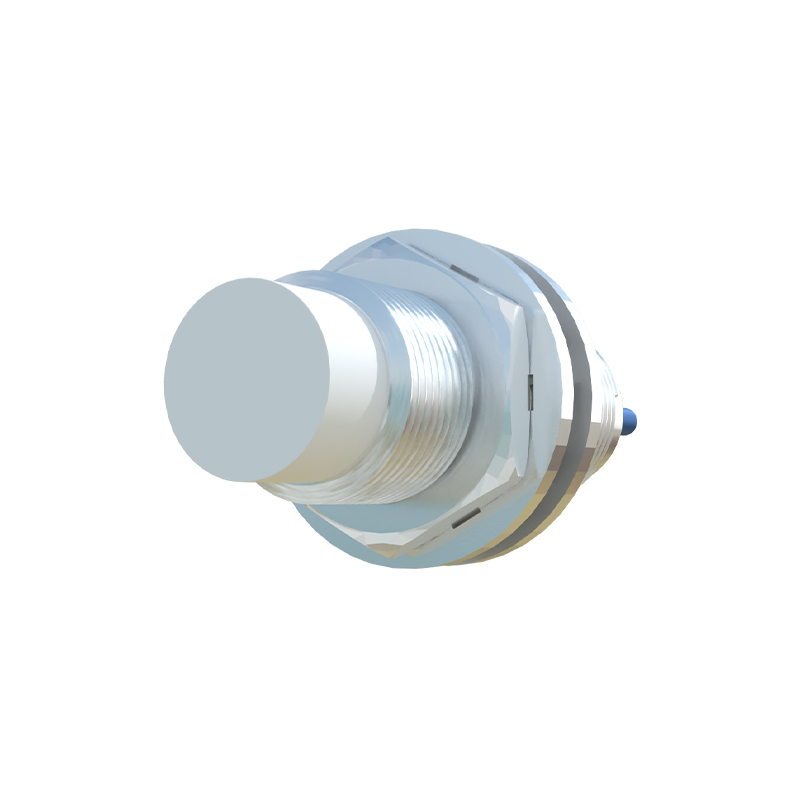
Multifunctional proximity sensor converters are designed with a range of features to meet rigorous industrial demands. Typically, they offer wide input compatibility, supporting sensors with outputs including PNP, NPN, and push-pull configurations. Many models include adjustable parameters, such as switching thresholds and response times, which can be fine-tuned via onboard potentiometers or digital interfaces. Electrically, these converters often operate on 12-24 VDC supplies and provide isolation up to 2.5 kV to protect against noise and voltage spikes. Key specifications include high accuracy (often within ±0.1% of full scale), fast response times under 1 ms, and operating temperature ranges from -25°C to 70°C. Additionally, advanced units incorporate diagnostic LEDs for status monitoring and rugged enclosures rated IP67 for dust and water resistance. These features ensure reliable performance in harsh conditions, such as manufacturing floors or outdoor installations, where consistent sensor data is critical for process control.
Applications in Industrial Automation
The versatility of multifunctional proximity sensor converters enables their use across various sectors. In automotive assembly lines, they convert inductive sensor signals to control robotic arms for precise part placement. In packaging machinery, they interface with capacitive sensors to detect material levels and trigger filling operations. The food and beverage industry relies on them to translate outputs from ultrasonic sensors for liquid flow monitoring, ensuring hygiene with stainless-steel housings. Moreover, in logistics and warehousing, converters facilitate communication between photoelectric sensors and PLCs for automated sorting systems. By standardizing signals, these devices simplify system design and scalability, allowing engineers to mix and match sensors from different manufacturers. This interoperability is crucial for Industry 4.0 initiatives, where data from multiple sources must be aggregated for real-time analytics and predictive maintenance.
Installation and Configuration Best Practices
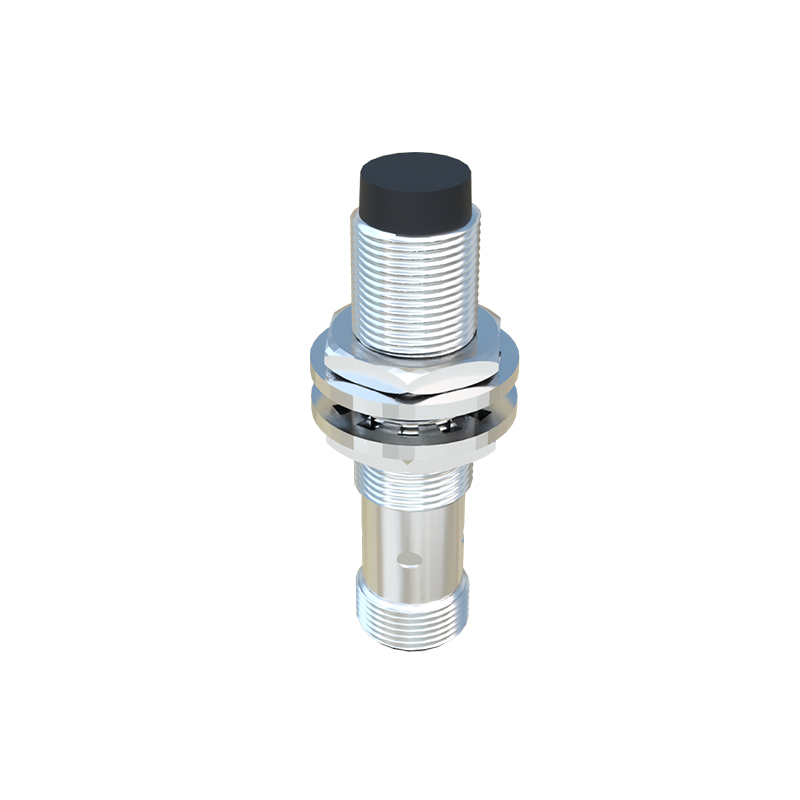
Proper installation is vital to maximize the performance of multifunctional proximity sensor converters. Start by selecting a location free from electromagnetic interference, such as away from motors or high-voltage cables. Use shielded cables for connections and ground the converter chassis to prevent signal distortion. During wiring, ensure polarity matches the sensor and power supply specifications to avoid damage. For configuration, refer to the manufacturer’s manual: adjust settings like output range or hysteresis based on the application needs. Many converters offer plug-and-play functionality, but calibration may be required for precision tasks—use a multimeter to verify output signals. Regular testing under operational conditions helps identify issues early. Additionally, implement preventive maintenance schedules, including cleaning connectors and checking for loose terminals, to extend device lifespan. Following these practices minimizes downtime and ensures accurate sensor data transmission.
Future Trends and Innovations
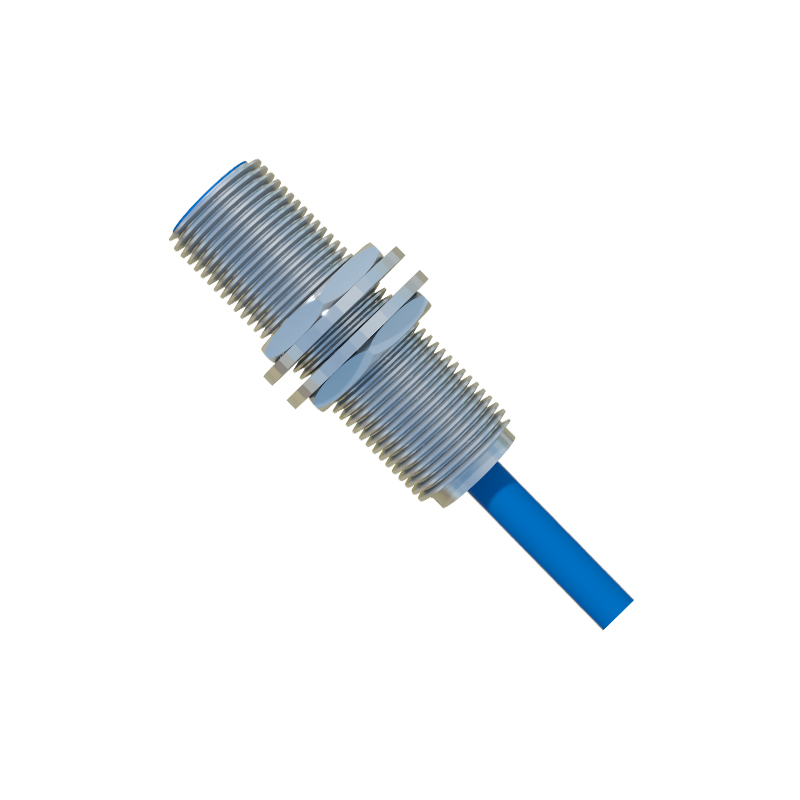
The evolution of multifunctional proximity sensor converters is closely tied to advancements in industrial IoT and digitalization. Future models are expected to integrate wireless capabilities, such as Bluetooth or Wi-Fi, for remote monitoring and configuration via smartphones or cloud platforms. Enhanced diagnostics will feature predictive algorithms that alert users to sensor degradation before failures occur. Miniaturization will lead to compact designs suitable for space-constrained applications, while increased power efficiency will support battery-operated systems in mobile robotics. Furthermore, the adoption of open communication standards like IO-Link will enable converters to transmit detailed parameter data alongside process values, facilitating smarter decision-making. As artificial intelligence becomes more prevalent, converters may incorporate edge computing functions to preprocess sensor data locally, reducing latency in critical control loops. These innovations promise to make converters even more integral to achieving autonomous and efficient industrial operations.