Introduction to Photoelectric Sensor Kits in Machine Vision
In the realm of industrial automation, the synergy between industrial cameras and photoelectric sensors forms the backbone of countless inspection, guidance, and measurement systems. A well-integrated photoelectric sensor kit is not merely an accessory but a critical component that enhances system reliability and precision. These kits typically include a sensor, mounting hardware, connecting cables, and sometimes a controller or amplifier. Their primary function is to detect the presence, absence, or position of an object, triggering the industrial camera to capture an image at the exact moment. This precise synchronization eliminates unnecessary image capture, reduces processing load, and ensures that every image is contextually relevant for analysis. For engineers designing vision systems, selecting the right sensor kit is as crucial as choosing the camera itself.
Core Components and Functionality
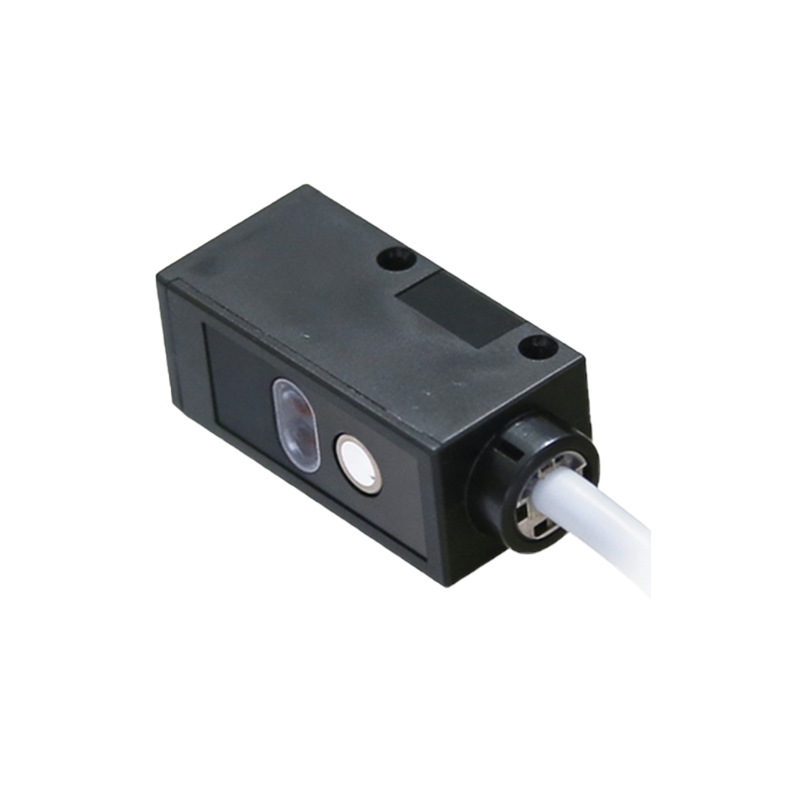
A standard industrial photoelectric sensor kit is engineered for robustness and ease of integration. The heart of the kit is the sensor itself, which operates by emitting a beam of light—visible red, infrared, or laser—and detecting changes in the received light signal. Common types include through-beam, retro-reflective, and diffuse reflective sensors, each suited for different detection ranges and object properties. The kit includes a rugged housing, often rated IP67 or higher for resistance to dust, water, and oil—common in industrial environments. Integral mounting brackets allow for flexible positioning relative to the conveyor line or target area. The connection is facilitated by a pre-wired cable with a standardized connector, such as M8 or M12, ensuring quick and reliable hookup to the camera's trigger input or a programmable logic controller (PLC).
Synchronization with Industrial Cameras
The true power of these kits is realized in their ability to synchronize with an industrial camera's acquisition cycle. When the photoelectric sensor detects a target, it sends a high-speed trigger signal to the camera. Modern industrial cameras feature dedicated digital I/O ports for this purpose. This external hardware trigger ensures the camera captures an image precisely when the object is within the field of view and in perfect focus, which is vital for high-speed production lines. This method is far superior to software-based or timed triggering, as it accounts for minor variations in object speed or position. Proper configuration of trigger delay and pulse width is essential to match the camera's exposure time and the object's velocity.
Key Selection Criteria for System Integration
Selecting the appropriate photoelectric sensor kit requires careful consideration of several application-specific parameters. Detection range is paramount; it must cover the distance from the sensor to the target object reliably. The sensing mode (through-beam for long range, diffuse for short) must match the physical setup. The response time of the sensor must be faster than the minimum time between objects on the line to avoid missed triggers. The light source color and type should be chosen based on the target's color and surface finish; for instance, a red LED might be ineffective on a red object. Environmental factors like ambient light, temperature, and the presence of contaminants dictate the required ingress protection and housing material. Finally, electrical compatibility regarding voltage (typically 10-30V DC) and output type (PNP/NPN) must align with the camera's trigger input specifications.
Installation, Calibration, and Troubleshooting
Successful installation begins with secure mechanical mounting to prevent vibration-induced misalignment. The sensor must be aligned so its beam intersects the target path consistently. Fine-tuning involves adjusting the sensitivity potentiometer to reliably detect the target while ignoring background interference. For challenging surfaces, sensors with background suppression or fixed-field technology are available in advanced kits. Common issues include false triggers from reflective backgrounds or fluctuating ambient light. Troubleshooting steps involve verifying alignment, cleaning the lens, checking cable integrity, and ensuring stable power supply. Using a sensor with a visible beam or a built-in indicator LED greatly simplifies the setup and diagnostic process.
Applications Across Manufacturing Sectors
The applications for industrial camera and sensor kits are vast and cross-sectoral. In automotive assembly, they trigger cameras to inspect weld seams or verify part presence. In pharmaceutical packaging, sensors detect blisters on a line, prompting cameras to check for fill level and label accuracy. In electronics manufacturing, they ensure components are correctly positioned before a camera performs solder paste inspection or component alignment. Logistics and parcel handling systems use them to trigger dimensioning and barcode reading cameras as packages pass through sorting hubs. In each case, the sensor kit provides the essential "when to look" signal, turning a passive camera into an intelligent, event-driven inspection tool.
Future Trends and Advanced Configurations
The evolution of these kits is moving towards greater intelligence and connectivity. Modern "smart sensors" include IO-Link capability, allowing for parameter setting, monitoring, and diagnostics over a single cable, seamlessly integrating with Industry 4.0 data collection systems. Furthermore, the integration of time-of-flight (ToF) or laser triangulation sensors into kits provides not just a trigger signal but also precise distance or profile data, which can be used to adjust camera focus or perspective dynamically. For complex tasks, multi-sensor kits that combine photoelectric, inductive, and capacitive sensors offer a comprehensive triggering solution for heterogeneous production lines. The future lies in sensor kits that are self-configuring and predictive, further reducing engineering time and boosting system uptime.