Introduction to Photoelectric Sensor Technology
Photoelectric sensors are indispensable components in modern industrial automation and control systems. These devices operate by emitting a light beam, typically from an LED or laser diode, and detecting changes in the received light intensity caused by the presence, absence, or characteristics of a target object. The fundamental principle relies on the photoelectric effect, where light energy is converted into an electrical signal. This technology offers significant advantages, including non-contact detection, high speed, long sensing ranges, and the ability to sense a wide variety of materials. Engineers rely on comprehensive technical reports and authoritative references to design, select, and integrate these sensors effectively into complex electrical systems, ensuring reliability, precision, and efficiency in applications ranging from packaging and material handling to assembly line monitoring and safety systems.
Core Technical Specifications and Selection Criteria
A thorough understanding of technical specifications is critical for optimal sensor application. Key parameters detailed in technical reports include sensing range, response time, light source type (e.g., red LED, infrared, laser), and output configuration (e.g., NPN/PNP transistor, analog, IO-Link). Environmental ratings such as IP (Ingress Protection) codes for dust and water resistance, operating temperature range, and housing material are equally vital for durability in harsh industrial environments. Selection references must guide engineers in matching these specs to the application's demands, considering factors like target material (transparent, opaque, reflective), required precision, ambient light conditions, and potential interference from contaminants like dust or steam. Comparative analysis charts and performance graphs found in manufacturer whitepapers are essential tools for this evaluation phase.
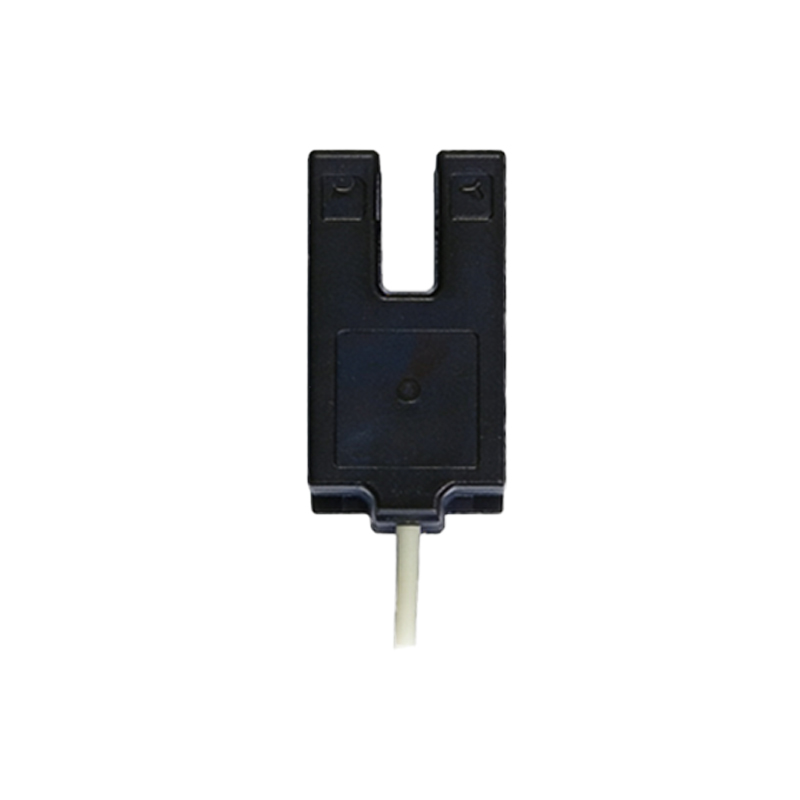
Analysis of Sensing Modes: Through-Beam, Retroreflective, and Diffuse
Technical literature categorizes photoelectric sensors primarily into three operational modes, each with distinct advantages. Through-beam sensors, consisting of separate emitter and receiver units, offer the longest range and highest reliability, as they are less affected by target color or surface finish. Retroreflective models use a single housing containing both emitter and receiver, relying on a reflector to bounce the light beam back; they provide a good balance of range and ease of installation. Diffuse (proximity) sensors detect light reflected directly from the target itself, making them compact and easy to install but more susceptible to variations in target color and reflectivity. Engineering reports provide detailed field-of-view diagrams, alignment procedures, and application case studies for each mode, aiding in the correct configuration for tasks like object counting, edge detection, or fill-level monitoring.
Integration with Control Systems and Communication Protocols
The value of a photoelectric sensor is fully realized through its seamless integration into broader control architectures. Modern references extensively cover interfacing sensors with Programmable Logic Controllers (PLCs), industrial PCs, and networked systems. This includes wiring diagrams for different supply voltages (e.g., 12-24V DC, 90-250V AC) and output types. Increasingly, reports focus on smart sensors featuring digital communication via protocols like IO-Link, which enables parameter setting, condition monitoring, and diagnostic data exchange. This facilitates predictive maintenance and Industry 4.0 initiatives. Application notes from leading automation component manufacturers are crucial resources, providing practical guidance on noise immunity, cable selection, grounding practices, and troubleshooting common electrical interference issues in control panels.
Standards, Safety Guidelines, and Reliability Data
Adherence to international standards is non-negotiable for system safety and compliance. Key reference documents include IEC 60947-5-2 for low-voltage switchgear and controlgear, and IEC 61496 for safety of machinery (electro-sensitive protective equipment). These standards define performance requirements, failure modes, and safety integrity levels. Engineering reports must also reference reliability data, such as Mean Time Between Failures (MTBF), derived from accelerated life testing under various environmental stresses. Furthermore, guidelines for safe installation—maintaining minimum safe distances in guarding applications, implementing redundancy for critical functions, and performing regular functional checks—are paramount. Access to these standardized references ensures designs meet global regulatory requirements and minimize operational risks.
Emerging Trends and Advanced Application References
The field is continuously evolving, driven by advancements in optics, electronics, and data processing. Current technical literature highlights trends like the integration of background suppression technology in diffuse sensors for precise detection independent of target distance, and the use of polarized filters in retroreflective sensors to ignore shiny objects. References on novel applications are also expanding, covering areas such as high-speed digital inspection using miniature sensors, color recognition sensors in quality control, and ultra-long-range sensors for large-area monitoring. Research papers from institutions like IEEE and application journals from sensor manufacturers serve as vital resources for engineers looking to implement cutting-edge solutions, offering insights into overcoming challenges like detecting low-contrast objects or functioning in extreme temperatures.
Compilation of Authoritative Reference Sources
For engineers seeking in-depth knowledge, a curated list of reference sources is essential. This includes manufacturer-specific technical catalogs and datasheets from industry leaders like Sick AG, Omron, Keyence, and Banner Engineering. Independent testing reports from organizations like UL or TÜV provide verified performance and safety data. Peer-reviewed papers in journals such as IEEE Sensors Journal or Sensors and Actuators A: Physical offer foundational research on new materials and detection methods. Furthermore, comprehensive handbooks like the "ISA Handbook of Measurement and Control" and application guides published by professional bodies like the International Society of Automation (ISA) synthesize practical experience with theoretical principles, serving as enduring references for project design, validation, and troubleshooting throughout the sensor lifecycle.