Introduction to the PR18-8DN Sensor
The PR18-8DN represents a fundamental component in modern industrial sensing technology. As a cylindrical inductive proximity sensor, it is engineered for non-contact detection of metallic objects within its specified range. The designation "PR18-8DN" typically breaks down to indicate an 18mm diameter housing, an 8mm nominal sensing distance, and a DC 3-wire configuration with an NPN normally open output. This sensor is ubiquitous across assembly lines, packaging machinery, and material handling systems, providing reliable object presence detection for control logic. Its robust construction allows it to perform consistently in challenging industrial environments characterized by vibration, dust, and occasional coolant splash.
Core Operating Principle and Technology
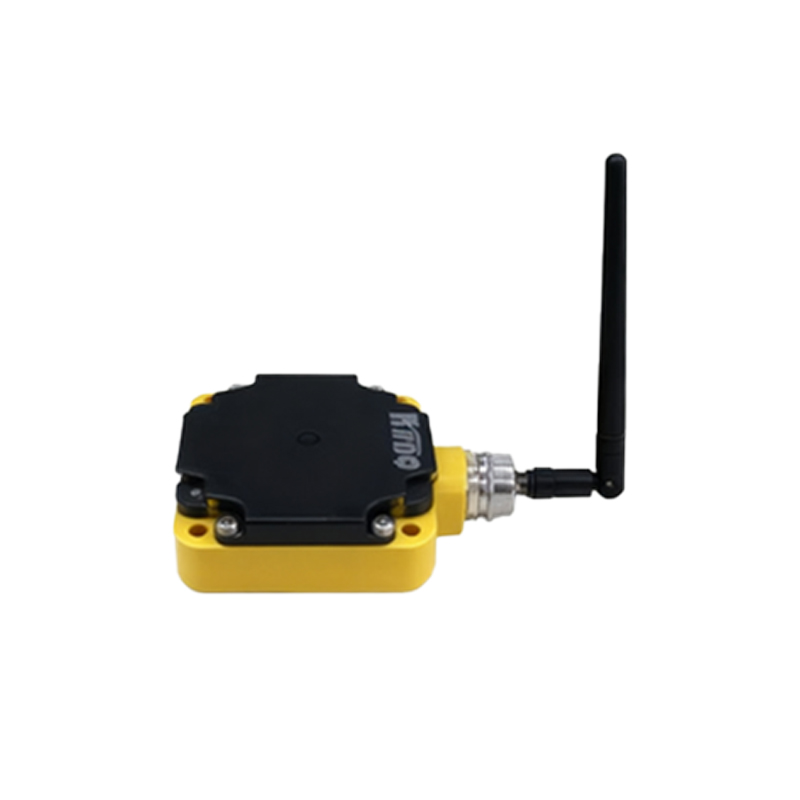
At the heart of the PR18-8DN lies the principle of electromagnetic induction. The sensor's face contains an oscillator coil that generates a high-frequency electromagnetic field. When a ferrous or non-ferrous metal target enters this active field, eddy currents are induced on the target's surface. This causes a change in the oscillation amplitude within the sensor's coil. An integrated evaluation circuit continuously monitors this amplitude. Upon reaching a predefined threshold—corresponding to the 8mm sensing point—the circuit triggers a state change in the output transistor, signaling the target's presence. This all-solid-state design ensures a high switching frequency and exceptional longevity with no mechanical wear.
Key Electrical Specifications and Wiring
The PR18-8DN is predominantly a DC-operated sensor. Standard operating voltage ranges are from 10-30V DC. The "N" in its model code signifies an NPN output, meaning the output transistor switches the negative (common) line to the load. In the default normally open (NO) configuration, the output is off (high impedance) when no target is present and switches on (sinks current to ground) when a target is detected. Correct wiring is critical: the brown wire is typically connected to the positive supply (+V), the blue wire to the negative supply (0V), and the black wire is the switched output signal. A protective current-limiting resistor or fuse is recommended in series with the supply to safeguard against short circuits.
Detailed Sensing Performance Characteristics
The rated sensing distance (Sn) is standardized at 8mm. However, practical application requires understanding derived parameters. The effective operating distance can vary between 0% and 110% of Sn due to manufacturing tolerances and temperature effects. A crucial specification is the hysteresis, typically 3-10% of Sn, which prevents output chatter when a target lingers at the detection edge. The sensor's response time is exceptionally fast, often below 1ms, enabling detection of rapidly moving parts. Furthermore, the PR18-8DN features built-in immunity to mutual interference when multiple sensors are mounted in close proximity, a common requirement in dense control panels.
Mechanical Design and Environmental Ratings
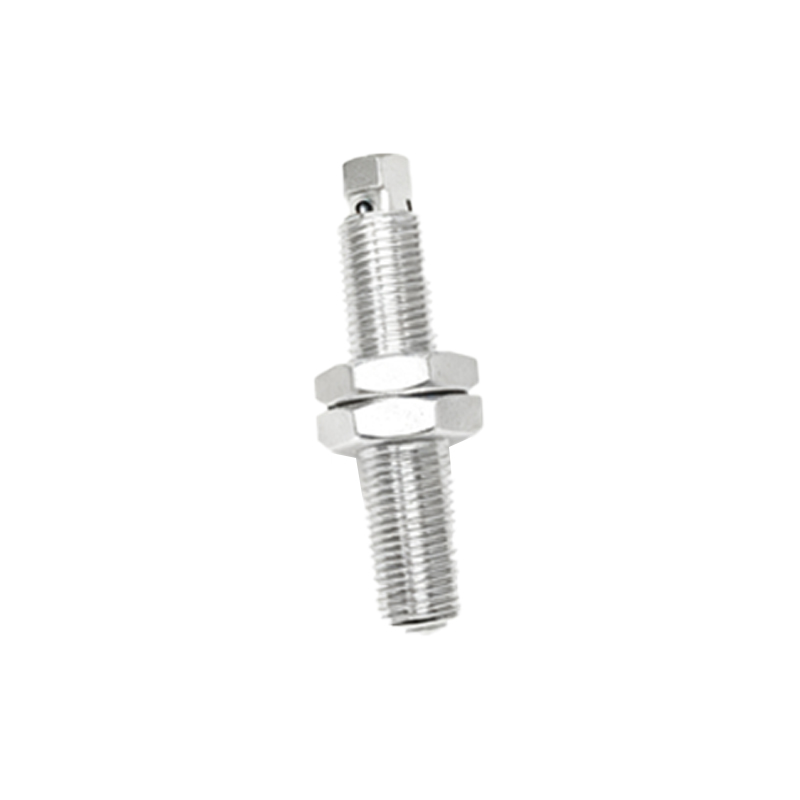
Constructed with a nickel-plated brass or stainless-steel barrel, the PR18-8DN offers significant mechanical strength and corrosion resistance. The sensing face is usually made of a specialized polymer that allows the electromagnetic field to pass while protecting the internal coil. Many variants comply with IP67 or higher ingress protection ratings, making them dust-tight and capable of withstanding temporary immersion in water. This allows for reliable operation in washdown areas. The sensor is designed for easy installation using standard 18mm nuts and features LED status indication for diagnostic purposes, showing both power presence and output activation.
Target Material and Mounting Considerations
While inductive sensors detect metals, sensitivity varies. The PR18-8DN is typically calibrated for mild steel. For other materials, a correction factor must be applied. For instance, the sensing range for stainless steel might reduce to approximately 70-80% of Sn, and for aluminum or copper, it may drop to 30-40%. Correct mounting is equally vital. Flush-mountable designs allow installation in metal brackets without false triggering, as the field is focused forward. Non-flush mountable types require a clearance zone around the sensor face free of surrounding metal to function correctly. Ignoring mounting specifications is a primary cause of application failure.
Application Examples in Automation Systems
The versatility of the PR18-8DN is demonstrated in numerous applications. In a pneumatic cylinder setup, it can detect the extended or retracted position of the piston by sensing a small metal flag, providing positional feedback to the PLC. On a conveyor system, it counts metallic parts or verifies the presence of a product before a robotic pick operation. Within a CNC machine, it can serve as a tool breakage detector or a limit switch