Market Overview and Current Scale
The photoelectric sensor market in China has experienced robust expansion over the past decade, positioning itself as a critical component within the nation's broader industrial automation and smart manufacturing ecosystem. According to recent industry analyses, the domestic market size for photoelectric sensors has surpassed the USD 800 million mark, demonstrating a compound annual growth rate (CAGR) of approximately 9-12% in recent years. This growth trajectory is significantly higher than the global average, underscoring China's rapid industrialization and the accelerating adoption of Industry 4.0 principles. The market's vitality is fueled by substantial domestic demand from key end-user industries, including automotive manufacturing, consumer electronics, packaging, material handling, and the emerging new energy sector. The proliferation of automated production lines and smart factories across these industries has created an insatiable demand for reliable, high-precision sensing solutions, with photoelectric sensors being a preferred choice for non-contact detection, positioning, and quality control applications.
Key Growth Drivers and Industry Demand
Several interconnected factors are propelling the sustained growth of China's photoelectric sensor market. Primarily, the Chinese government's strategic initiatives, such as "Made in China 2025," provide a powerful policy framework and financial incentives for manufacturing upgrades, directly boosting investments in advanced sensor technologies. Secondly, the relentless expansion of the electric vehicle (EV) and battery manufacturing sectors necessitates sophisticated sensor systems for assembly, inspection, and logistics, creating a substantial new demand pillar. Furthermore, the continuous miniaturization and performance enhancement of photoelectric sensors, including the development of background suppression, color recognition, and long-range models, are enabling their application in more complex and demanding environments. The integration of Industrial Internet of Things (IIoT) and the need for real-time data acquisition on factory floors further mandate the deployment of intelligent, network-capable sensors, pushing the market towards higher-value products.
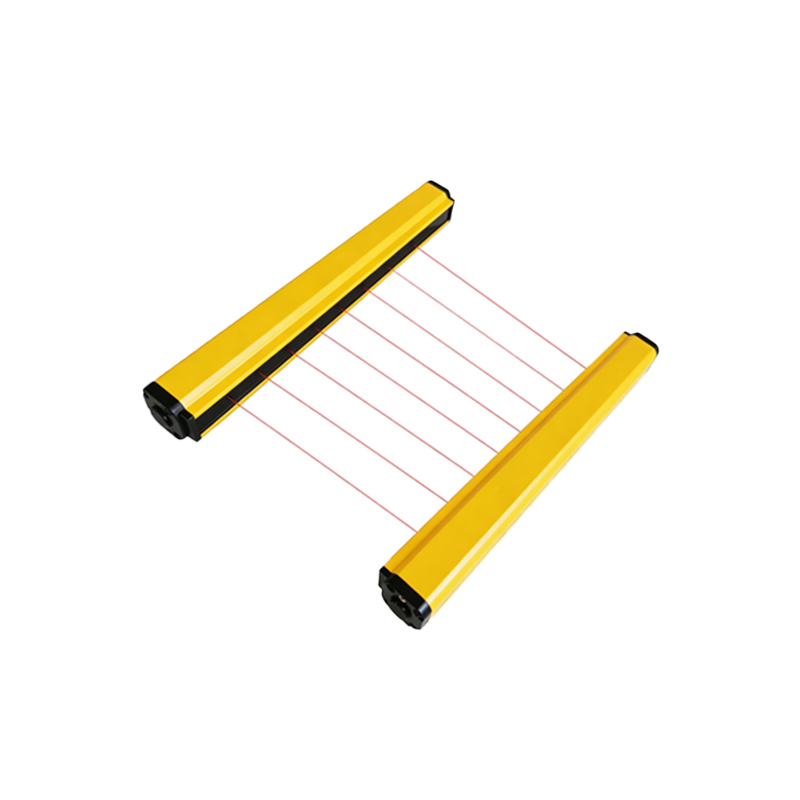
Competitive Landscape and Domestic Innovation
The competitive landscape of China's photoelectric sensor market is characterized by the coexistence of multinational giants and a growing number of capable domestic manufacturers. Leading international brands from Europe, Japan, and the United States have long held significant market share, prized for their technological sophistication, reliability, and strong brand reputation in high-end applications. However, Chinese sensor companies are rapidly closing the technology gap. Through increased R&D investment and a deep understanding of local application needs, domestic players are offering cost-competitive, customized, and increasingly reliable products. They are gaining considerable traction in mid-range market segments and are becoming formidable competitors. This dynamic is fostering a more diversified supply chain and driving down overall system costs for end-users, which in turn stimulates further market adoption across small and medium-sized enterprises (SMEs).
Technological Trends and Product Evolution
Technological innovation remains the core engine for market evolution. The current trend is decisively moving towards smarter, more integrated, and miniaturized photoelectric sensors. There is a clear shift from basic on/off detection to sensors with embedded intelligence, such as those with IO-Link communication capabilities, which facilitate parameter setting, condition monitoring, and predictive maintenance. The fusion of sensing and vision technologies is another notable trend, giving rise to compact vision sensors that combine simple imaging with detection logic. Furthermore, the demand for sensors capable of operating in harsh industrial environments—resistant to dust, water, extreme temperatures, and strong ambient light—is rising steadily. Manufacturers are responding with robust housing designs, improved lens materials, and advanced optical filters to ensure stable performance.
Regional Distribution and Application Hotspots
Geographically, the demand for photoelectric sensors in China is heavily concentrated in the major industrial and economic hubs. The Yangtze River Delta region, particularly cities like Shanghai, Suzhou, and Hangzhou, with their dense clusters of electronics, automotive, and advanced manufacturing, represents the largest regional market. The Pearl River Delta, centered on Shenzhen and Guangzhou, is another powerhouse, driven by its unparalleled consumer electronics and appliance manufacturing base. Additionally, the Bohai Bay Rim region, including Beijing, Tianjin, and Shandong, shows strong demand from heavy industry, logistics, and emerging high-tech sectors. Beyond these traditional centers, inland provinces are witnessing accelerated growth as manufacturing capacity gradually shifts, supported by government policies aimed at regional economic balance, thereby creating new growth hotspots for sensor applications.
Challenges and Future Market Outlook
Despite the optimistic outlook, the market faces certain challenges. These include intense price competition, especially in the low-end segment, which pressures profit margins. The need for continuous innovation requires sustained R&D investment, which can be a hurdle for smaller domestic firms. Furthermore, the complexity of applications in fully integrated smart factories demands sensors with higher levels of interoperability and cybersecurity features, setting a higher technological barrier. Looking forward, the market is projected to maintain a healthy growth rate of 8-10% CAGR over the next five years. The expansion will be increasingly driven by emerging applications in sectors like renewable energy, intelligent logistics, agricultural automation, and medical device manufacturing. The long-term success of players will depend on their ability to offer not just components, but comprehensive sensing solutions that contribute to overall system intelligence and efficiency.