Introduction to Normally Closed Proximity Sensors
In the realm of industrial automation, proximity switches are fundamental components for non-contact object detection. Among the various configurations, the normally closed (NC) type operates on a principle opposite to the more common normally open (NO) sensor. A normally closed proximity sensor, in its idle state without a target present, maintains a closed circuit, allowing current to flow. When a target enters its sensing range, the circuit opens, interrupting the signal. This PNP M12 normally closed variant combines this switching logic with a specific transistor output type and a standardized form factor, making it a critical choice for safety-oriented and specific control logic applications where a signal loss indicates a fault or an active state.
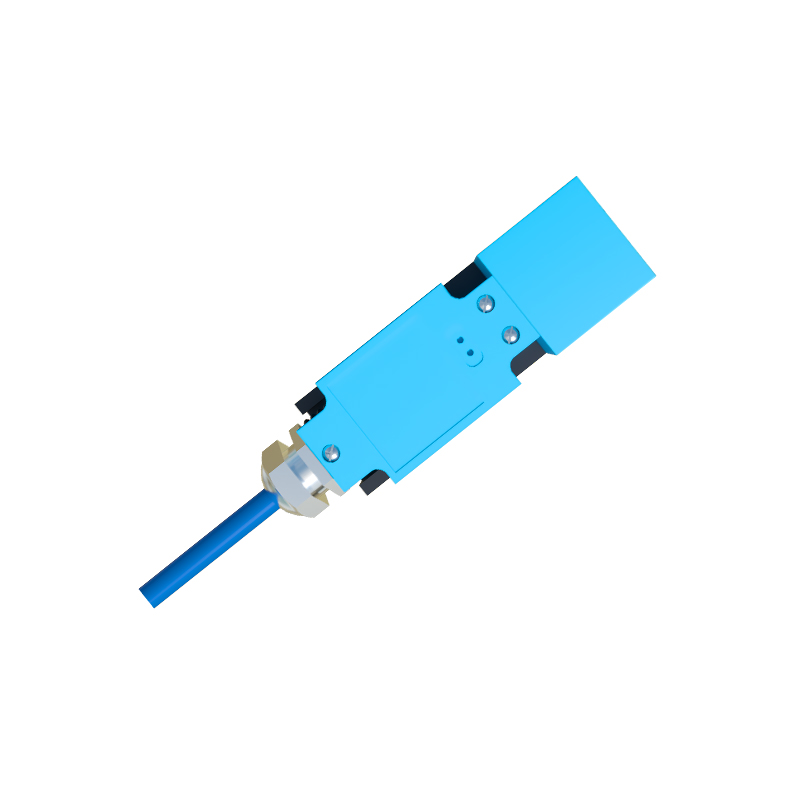
Decoding the PNP M12 Specification
The designation "PNP M12 Normally Closed" precisely defines the sensor's key characteristics. "PNP" refers to the type of transistor used in the sensor's output stage. In a PNP (Positive-Negative-Positive) configuration, the load is connected between the output wire and the negative voltage (0V). The sensor switches the positive voltage to the load. When active (for an NC type, this means no target is detected), the output provides the positive supply voltage. "M12" specifies the industry-standard threaded cylindrical housing with a 12mm diameter and a standardized 4-pin or 3-pin quick-disconnect connector, ensuring easy installation, replacement, and resistance to harsh environments. "Normally Closed" defines its switching characteristic, as explained previously.
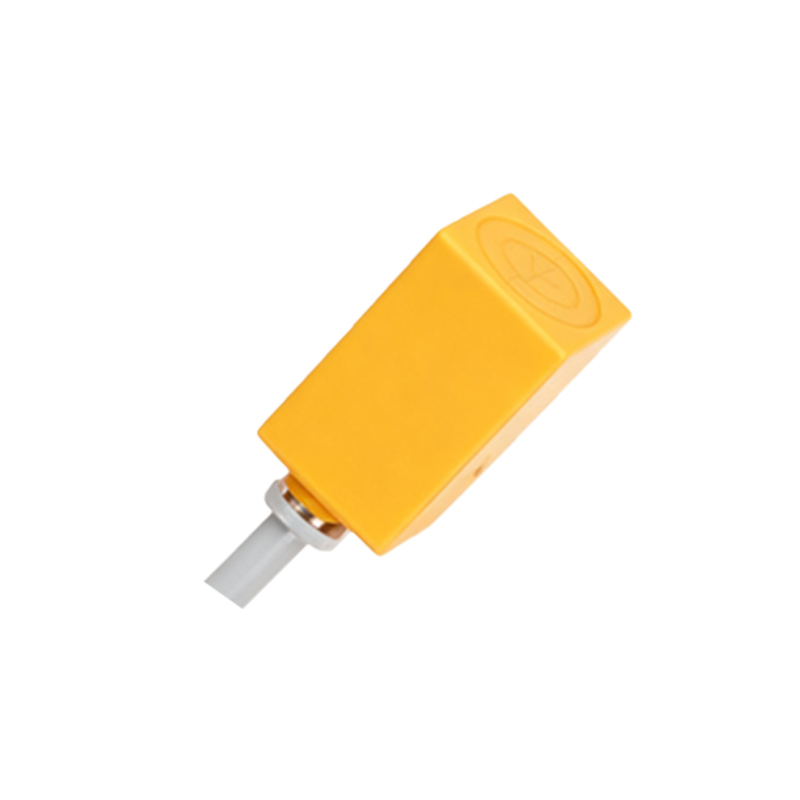
Wiring and Electrical Characteristics
Correct wiring is paramount for reliable operation. A typical 3-wire PNP M12 normally closed proximity sensor has brown (V+), blue (V- or 0V), and black (output signal) wires. The brown wire connects to the positive DC supply voltage (commonly 10-30V DC), and the blue wire connects to the negative or 0V. The black wire is the switched output. In its normal state (target absent), the black wire is internally connected to the brown wire, supplying V+ to the load (e.g., a PLC input). When a target is detected, this connection opens, and the black wire becomes disconnected, dropping the voltage to near 0V at the load. It is crucial to verify the datasheet for the specific current rating, voltage range, and leakage current specifications.
Application Scenarios and Logic Advantages
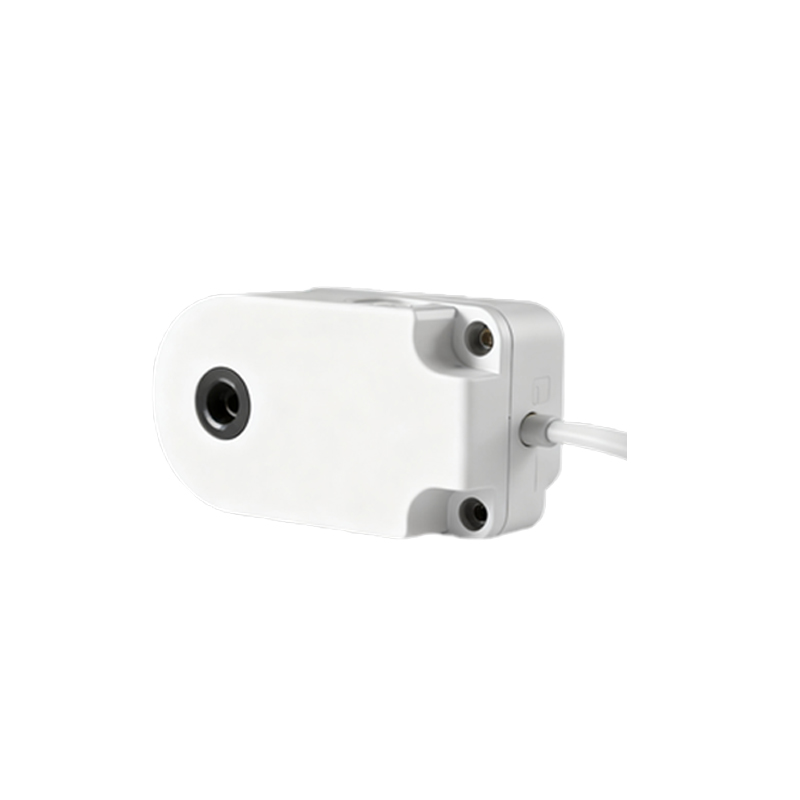
The normally closed PNP M12 sensor is strategically deployed in applications where safety or specific circuit logic is required. A primary use is in safety interlock circuits. For instance, on a protective guard door, a normally closed sensor can be used so that when the door is properly closed (target absent), the circuit is complete, allowing the machine to operate. If the door opens (target present), the circuit breaks, creating an immediate stop command. This "fail-safe" logic ensures that a wire break or power loss to the sensor also results in a safe machine stop. Furthermore, in complex control systems, NC sensors can simplify ladder logic programming by providing an inherently inverted signal, reducing the need for additional logic instructions in the PLC.
Selection Criteria and Environmental Considerations
Selecting the right PNP M12 NC sensor involves several factors beyond the basic electrical specs. The sensing distance, typically a few millimeters for inductive models detecting metals, must be suitable for the application. The sensing material is key: inductive sensors detect metals, while capacitive versions can detect non-metals. The housing material, often nickel-plated brass or stainless steel for the M12 form factor, must withstand the environment—resisting coolants, oils, and physical impacts. IP (Ingress Protection) ratings like IP67 or IP68 are essential for dust and water resistance. For high-speed applications, the sensor's switching frequency must be considered to ensure it can keep pace with the operation.
Troubleshooting Common Operational Issues
Even robust components can encounter issues. Common problems with PNP M12 normally closed sensors include false triggering or failure to trigger. False triggers can be caused by electrical noise, which can be mitigated by using shielded cables and ensuring proper grounding. Incorrect wiring, such as mixing up PNP and NPN connections, will prevent operation. A sensor failing to detect a target may be due to the target being outside the sensing range, using the wrong sensor type for the material (e.g., inductive sensor for plastic), or buildup of debris on the sensor face. A