Operating Principle and Core Functionality
Inductive proximity sensors are non-contact electronic devices designed to detect the presence or absence of metallic objects within their sensing range. Their operation is based on the principle of electromagnetic induction. The sensor's active face contains a coil that is part of an oscillating circuit. When a metallic target enters the sensor's electromagnetic field, eddy currents are induced in the target. This causes a change in the oscillation amplitude or frequency within the sensor's circuit. The sensor's internal electronics detect this change and trigger a solid-state output switch, typically in the form of a PNP or NPN transistor. This fundamental principle makes them exceptionally reliable for harsh industrial environments, as they have no moving mechanical parts and are immune to dust, oil, and non-metallic debris.
Sensing Distance (Sn)
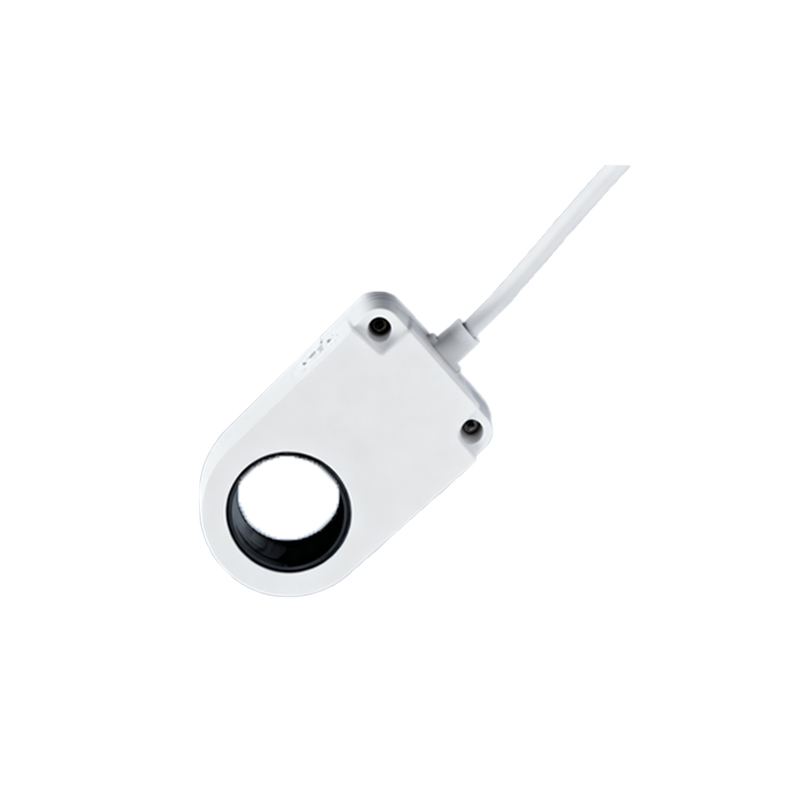
The rated operating distance, or nominal sensing distance (Sn), is arguably the most critical parameter. It defines the theoretical distance at which a standard target (usually a square of mild steel, 1mm thick, with sides equal to the sensor's diameter or three times Sn) will reliably trigger the sensor's output. This value is standardized and does not account for manufacturing tolerances or environmental factors. For example, an 18mm diameter cylindrical sensor might have an Sn of 8mm. It is crucial to note that the effective sensing distance can vary with different metals. For instance, the sensing distance for stainless steel is typically 70-90% of Sn, while for aluminum or copper it can be as low as 30-50%, due to differences in electrical conductivity and magnetic permeability.
Repeatability and Hysteresis
Repeatability refers to the sensor's ability to consistently detect a target at the same point under identical conditions. It is expressed as a percentage of the actual sensing distance and is typically a very small value (e.g., ≤ 2%). High repeatability is essential for precision positioning and counting applications. Hysteresis is the difference between the switch-on point (as the target approaches) and the switch-off point (as the target recedes). This parameter prevents output chattering when a target is positioned at the very edge of the sensing range. A defined hysteresis, often 3-10% of Sn, ensures a clean, stable output signal even with minor target vibrations or fluctuations in supply voltage.
Switching Frequency
The maximum switching frequency defines how many on/off cycles per second the sensor can handle. It is measured in Hertz (Hz) and determines the sensor's suitability for high-speed applications. For example, a sensor with a 1 kHz switching frequency can detect up to 1,000 objects per second. This parameter is vital for applications like speed monitoring on conveyor belts, counting small parts on a high-speed line, or detecting teeth on a rotating gear. The achievable frequency depends on the target size, material, and the approach speed. Using a target smaller than the standard or a non-ferrous metal can significantly reduce the effective switching frequency.
Environmental and Electrical Specifications
A robust set of environmental and electrical parameters ensures reliable operation. Key specifications include the operating voltage range (commonly 10-30V DC or 20-250V AC), current consumption, and the rated output current. Protection classes are also paramount: IP67 (protection against dust ingress and temporary immersion) and IP69K (protection against high-pressure, high-temperature washdowns) are common in industrial settings. Temperature range, typically from -25°C to +70°C, defines the operational limits. Furthermore, short-circuit, overload, and reverse polarity protection are standard features that enhance durability and prevent damage from common wiring errors or fault conditions in control panels.
Target Material and Size Influence
As mentioned, the target material drastically affects performance. Ferromagnetic materials like mild steel provide the maximum sensing distance. Non-ferrous metals (aluminum, brass, copper) and austenitic stainless steels (non-magnetic) reduce the effective range. The target size must also be considered. For reliable detection, the target should be at least equal to the sensor's active face diameter. If the target is smaller, the sensing distance decreases. For very thin targets (e.g., foil), the sensing distance can be substantially reduced, as the eddy currents generated are weaker. Engineers must always consult correction factor tables provided in datasheets to calculate the real sensing distance for their specific application conditions.
Mounting Considerations and Housing Styles
Proper installation is key to achieving specified performance. Inductive sensors are available in various housing styles: cylindrical (threaded barrels), rectangular, and ring-shaped. For cylindrical sensors, flush-mountable and non-fl